9-Chloro-1,2,3,4-tetrahydroacridine is a chemical compound widely used as a building block in the synthesis of heterocyclic compounds. It plays a crucial role in organic chemistry laboratories, where it serves as a versatile intermediate for creating complex molecular structures. Its unique chemical structure allows it to participate in various chemical reactions, making it a valuable resource for researchers aiming to develop new compounds with specific biological activities. This compound is particularly important in the field of pharmaceutical research, where it contributes to the development of drugs and other bioactive materials.
The compound is known for its stable chemical structure and good reactivity, which make it an ideal choice for substitution reactions and ring-opening reactions. Its ability to react with a wide range of reagents, including alkyl halides, acids, and bases, further enhances its utility in synthetic chemistry. These properties make it a preferred material for chemists seeking to modify molecular frameworks and explore new chemical pathways. Its reliability and effectiveness in various reaction conditions ensure consistent results in laboratory experiments.
In Indonesian laboratories, 9-Chloro-1,2,3,4-tetrahydroacridine is commonly used in organic chemistry research, especially in academic institutions and research centers. It is frequently applied in projects focused on the synthesis of new compounds and the development of heterocyclic-based materials. Its widespread use reflects its importance in advancing chemical research and innovation in the region.
Related TCI products
- TCI B4406 63810-78-6 5-Bromo-4-chloro-2-(methylthio)pyrimidine
- TCI B2914 83857-96-9 2-Butyl-5-chloro-1H-imidazole-4-carboxaldehyde
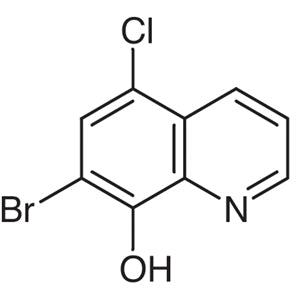
- TCI B1190 7640-33-7 7-Bromo-5-chloro-8-hydroxyquinoline
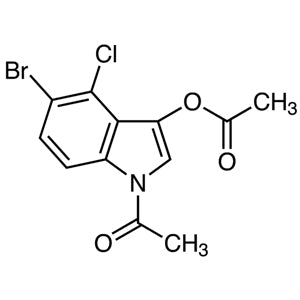
- TCI A2923 3030-06-6 1-Acetyl-5-bromo-4-chloro-3-indolyl Acetate
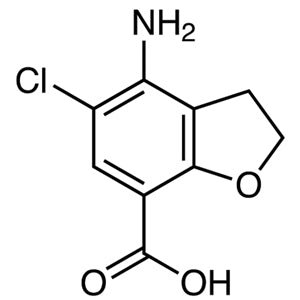
- TCI A2918 123654-26-2 4-Amino-5-chloro-2,3-dihydrobenzofuran-7-carboxylic Acid
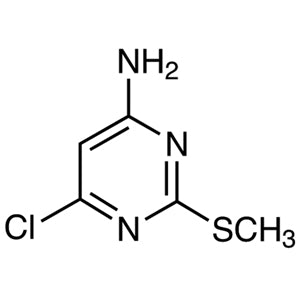
- TCI A2848 1005-38-5 4-Amino-6-chloro-2-(methylthio)pyrimidine
- Organic synthesis of heterocyclic compounds due to its versatile reactivity and structural adaptability.
- Development of pharmaceuticals and bioactive molecules through its ability to participate in substitution and ring-opening reactions.
- Research in medicinal chemistry for the creation of compounds with specific biological activities and therapeutic potential.
- Modification of molecular structures in academic and industrial research settings requiring chemical intermediates.
- Exploration of new synthetic pathways in chemical laboratories focusing on advanced organic chemistry techniques.
| Brand | TCI |
|---|---|
| CAS number | 5396-30-5 |
| Molecular formula | — |
| Purity | — |
| Category | Chemistry > Building Blocks > Heterocyclic Building Blocks |
| Pack sizes | Available in standard laboratory quantities as per supplier specifications |
| Physical form | Solid or liquid depending on formulation |
| Storage | Store in a cool, dry place away from direct light and incompatible substances |
This compound should be stored in a cool, dry environment, away from direct sunlight and sources of heat. It is recommended to use airtight containers to prevent moisture absorption and contamination. When handling, ensure proper ventilation and use appropriate personal protective equipment such as gloves and safety goggles. Avoid contact with incompatible materials like strong oxidizing agents or acids. Keep the compound in a secure location to prevent accidental exposure. Regularly check the storage conditions to maintain its chemical integrity and ensure safe laboratory practices.
—
Produk Terkait
-
5-Bromo-4-chloro-2-(methylthio)pyrimidine TCI B4406
Regular price From Rp 1.008.000,00Regular priceRp 720.300,00Sale price From Rp 1.008.000,00 -
2-Butyl-5-chloro-1H-imidazole-4-carboxaldehyde TCI B2914
Regular price Rp 1.167.600,00Regular priceRp 831.600,00Sale price Rp 1.167.600,00 -
7-Bromo-5-chloro-8-hydroxyquinoline TCI B1190
Regular price From Rp 1.405.950,00Regular priceRp 998.550,00Sale price From Rp 1.405.950,00 -
1-Acetyl-5-bromo-4-chloro-3-indolylAcetate TCI A2923
Regular price From Rp 2.518.950,00Regular priceRp 1.776.600,00Sale price From Rp 2.518.950,00 -
4-Amino-5-chloro-2,3-dihydrobenzofuran-7-carboxylicAcid TCI A2918
Regular price From Rp 1.405.950,00Regular priceRp 998.550,00Sale price From Rp 1.405.950,00 -
4-Amino-6-chloro-2-(methylthio)pyrimidine TCI A2848
Regular price Rp 1.776.600,00Regular priceRp 1.257.900,00Sale price Rp 1.776.600,00 -
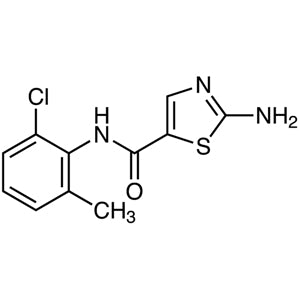
2-Amino-N-(2-chloro-6-methylphenyl)thiazole-5-carboxamide TCI A2773
Regular price From Rp 822.150,00Regular priceRp 590.100,00Sale price From Rp 822.150,00 -
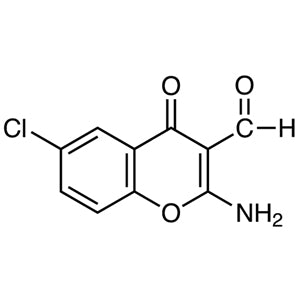
2-Amino-6-chloro-3-formylchromone TCI A2743
Regular price From Rp 1.378.650,00Regular priceRp 979.650,00Sale price From Rp 1.378.650,00