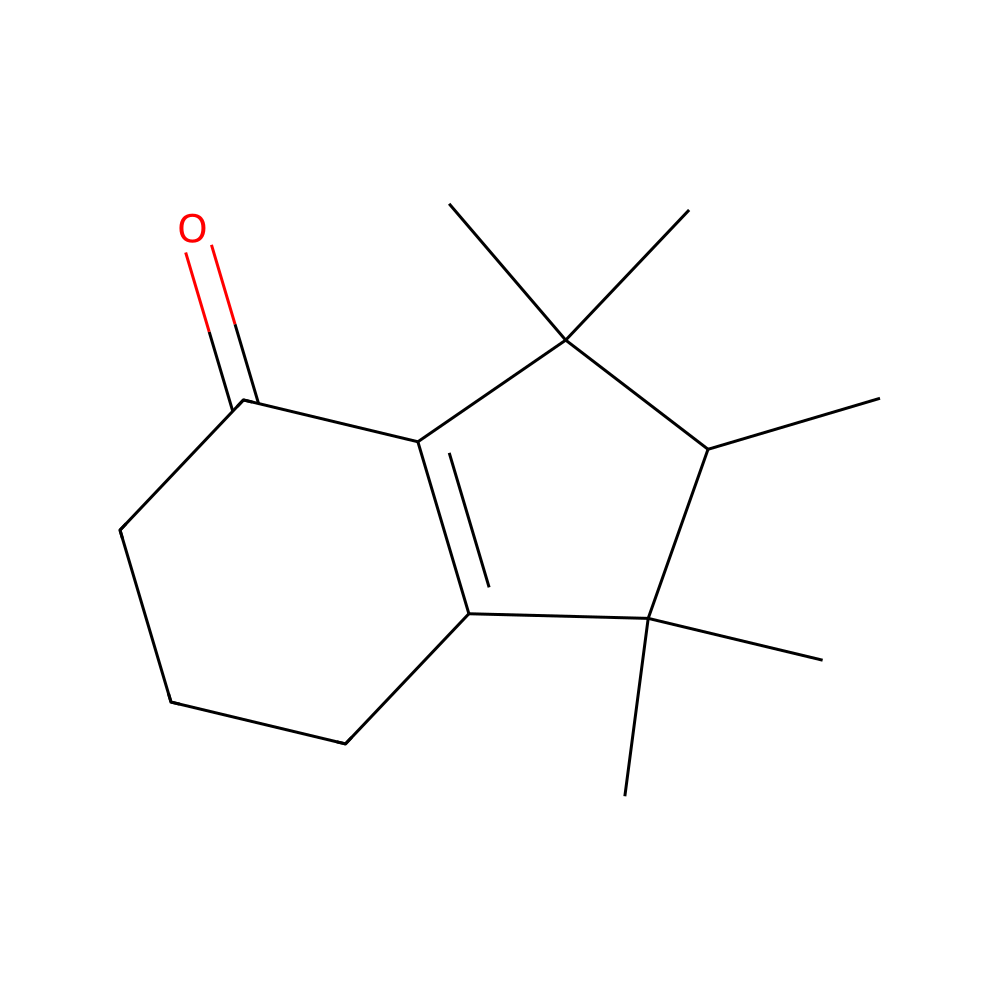
1,2,3,5,6,7-Hexahydro-1,1,2,3,3-pentamethyl-4H-inden-4-one (TCI C4134) is a bicyclic ketone built on a partially hydrogenated indanone skeleton that carries five methyl groups. In the fragrance industry, this compound is known by the trade name Cashmeran and is valued for its musky, woody, and soft odour character. TCI classifies it under terpenes in its biochemicals and reagents section. In the laboratory, it serves as a reference compound for aroma research, analytical fragrance chemistry, and environmental studies of polycyclic musk compounds.
Researchers choose this compound because its structure is compact and, as a heavily substituted ketone, it is reasonably stable. Ketones with this many substituents tend to resist side reactions under ordinary analytical conditions, so results stay more consistent from run to run. Its moderate volatility makes it well suited to gas chromatography with either flame ionisation detection (FID) or mass spectrometry. Because it is used in scented consumer products, it is also a relevant target when monitoring residues in water, sediment, and personal care products. Pure material from a trusted supplier makes it much easier to build reliable calibration curves.
In Indonesia, the cosmetics, soap, detergent, and household fragrance industries are growing quickly, so more laboratories need to identify and quantify fragrance ingredients. Quality control laboratories at fragrance and personal care manufacturers can use this compound as an analytical reference. University research groups working on aroma chemistry or environmental analysis can also use it in method development, and environmental testing laboratories can use it when tracing polycyclic musks in surface water and sediment samples.
Related TCI products
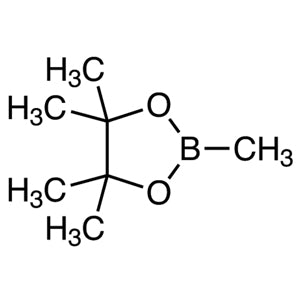
- TCI P2602 94242-85-0 2,4,4,5,5-Pentamethyl-1,3,2-dioxaborolane
- TCI P2441 58721-74-7 1,2,3,3,8-Pentamethyl-5-(trifluoromethyl)-2,3-dihydro-1H-pyrrolo[3,2-g]quinolin-7(8H)-one
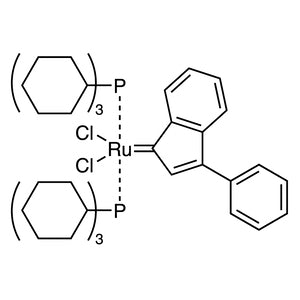
- TCI P2004 250220-36-1 (3-Phenyl-1H-inden-1-ylidene)bis(tricyclohexylphosphine)ruthenium(II) Dichloride
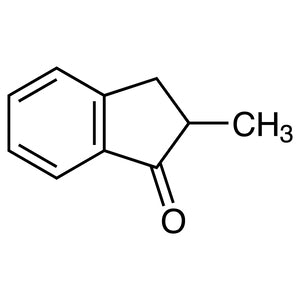
- TCI M3681 17496-14-9 2-Methyl-2,3-dihydro-1H-inden-1-one
- TCI H1186 697-64-3 (R)-2,3-Dihydro-1H-inden-1-ol
- TCI D5945 2197167-50-1 (5,6-Dichloro-3-oxo-2,3-dihydro-1H-inden-1-ylidene)malononitrile
- Aroma and fragrance research: as a well-defined musky, woody ketone known commercially as Cashmeran, it is a useful reference for studying odour character and structure-odour relationships.
- Gas chromatography method development: its moderate volatility suits GC analysis with FID or mass spectrometry, making it practical for optimising separation and detection conditions for fragrance compounds.
- Calibration standard preparation: pure material from TCI lets analysts prepare calibration curves to quantify this compound in fragrance formulations and finished consumer products.
- Environmental monitoring of polycyclic musks: because it appears in scented consumer goods, it is a relevant target analyte when tracing musk residues in water and sediment samples.
- Quality control of personal care products: cosmetics, soap, and detergent laboratories can use it as a reference to confirm identity and monitor fragrance ingredient levels in their products.
| Brand | TCI (product code C4134) |
|---|---|
| CAS number | 33704-61-9 |
| Molecular formula | — |
| Purity | — |
| Category | Life Science > Biochemicals and Reagents > Terpenes |
| Pack sizes | please confirm the available pack sizes with our sales team before ordering |
| Physical form | refer to the TCI certificate of analysis and product label |
| Storage | follow the storage conditions on the TCI label and safety data sheet (SDS) |
Store this compound in its original, tightly closed container in a cool, dry, well-ventilated area, away from direct sunlight, heat sources, and strong oxidising agents. Because the material is moderately volatile, keep containers sealed when not in use to limit evaporation and odour transfer to nearby samples. Glass containers with chemically resistant caps are suitable for any working portions. Wear standard laboratory protective equipment, including gloves, safety glasses, and a lab coat, and handle the material in a fume hood or well-ventilated area. Avoid contact with skin and eyes, and do not inhale vapours. Always check the TCI safety data sheet for specific storage temperatures, hazards, and disposal instructions before use.
—
Product Categories
Produk Terkait
-
2,4,4,5,5-Pentamethyl-1,3,2-dioxaborolane TCI P2602
Regular price From Rp 1.431.150,00Regular priceRp 1.016.400,00Sale price From Rp 1.431.150,00 -
1,2,3,3,8-Pentamethyl-5-(trifluoromethyl)-2,3-dihydro-1H-pyrrolo[3,2-g]quinolin-7(8H)-one TCI P2441
Regular price Rp 1.590.750,00Regular priceRp 1.127.700,00Sale price Rp 1.590.750,00 -
(3-Phenyl-1H-inden-1-ylidene)bis(tricyclohexylphosphine)ruthenium(II)Dichloride TCI P2004
Regular price Rp 5.062.050,00Regular priceRp 3.555.300,00Sale price Rp 5.062.050,00 -
2-Methyl-2,3-dihydro-1H-inden-1-one TCI M3681
Regular price From Rp 1.696.800,00Regular priceRp 1.186.500,00Sale price From Rp 1.696.800,00 -
(R)-2,3-Dihydro-1H-inden-1-ol TCI H1186
Regular price From Rp 1.856.400,00Regular priceRp 1.297.800,00Sale price From Rp 1.856.400,00 -
(5,6-Dichloro-3-oxo-2,3-dihydro-1H-inden-1-ylidene)malononitrile TCI D5945
Regular price Rp 7.048.650,00Regular priceRp 4.944.450,00Sale price Rp 7.048.650,00 -
(5,6-Difluoro-3-oxo-2,3-dihydro-1H-inden-1-ylidene)malononitrile TCI D5815
Regular price Rp 9.591.750,00Regular priceRp 6.723.150,00Sale price Rp 9.591.750,00 -
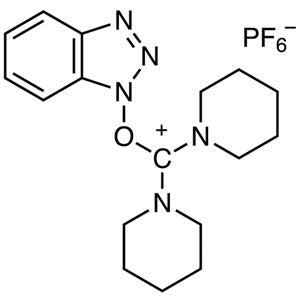
O-(Benzotriazol-1-yl)-N,N,N',N'-bis(pentamethylene)uroniumHexafluorophosphate TCI B3816
Regular price From Rp 875.700,00Regular priceRp 627.900,00Sale price From Rp 875.700,00