1,4-Dibenzyloxybenzene from TCI is an aromatic organic compound derived from hydroquinone. In this molecule, both hydroxyl groups of hydroquinone are protected as benzyl ethers. In organic synthesis it serves as a non-heterocyclic building block, a starting material used to construct more complex molecules. Researchers use it when they need a hydroquinone core that stays stable through several reaction steps. The protecting groups are then removed at a late stage so the free phenol groups return, as the synthetic route requires.
Chemists often choose this compound because the benzyl ether is a fairly robust protecting group. It tolerates a wide range of reaction conditions, including basic media and many nucleophilic reagents. The benzyl groups can also be removed fairly selectively, for example by catalytic hydrogenolysis, which gives chemists good control over the order of reactions. The molecule is symmetrical, with two benzyloxy groups in para positions. This makes it useful for studying the reactivity of electron-rich aromatic rings and for designing symmetrical molecules. TCI's consistent quality helps keep experimental results reproducible.
In Indonesian laboratories, 1,4-Dibenzyloxybenzene is mainly used in university organic chemistry research groups, pharmaceutical and fine chemical development laboratories, and materials science projects that need protected hydroquinone units. Postgraduate students and research staff use it in multistep synthesis work, where a stable, well-characterized starting material makes planning easier. Its role as a protected building block also makes it relevant for teaching laboratories that cover protecting group strategies and their practical use in synthesis.
- Multistep organic synthesis: the benzyl-protected hydroquinone core stays intact through several reaction steps, so chemists can carry out transformations elsewhere in the molecule without disturbing the phenol positions.
- Protecting group strategy studies: the benzyl ethers can be removed fairly selectively, for example by catalytic hydrogenolysis, which makes this compound a clear model for planning and demonstrating deprotection sequences.
- Synthesis of symmetrical molecules: two benzyloxy groups sit in para positions, so the compound gives a symmetrical scaffold for designing and building molecules that need matching substitution on both sides.
- Reactivity studies of electron-rich aromatic rings: the oxygen-substituted benzene ring is electron-rich, so researchers can use it to investigate how such aromatic systems behave under different reaction conditions.
- Preparation of hydroquinone-based target compounds: removing the benzyl groups at the final stage releases free phenol groups, so the compound works as a precursor to hydroquinone derivatives built through a controlled synthetic route.
| Brand | TCI (product code D0159) |
|---|---|
| CAS number | 621-91-0 |
| Molecular formula | — |
| Purity | — |
| Category | Chemistry > Building Blocks > Non-Heterocyclic Building Blocks |
| Pack sizes | available in the pack sizes offered by TCI for this product code |
| Physical form | refer to the TCI product label and certificate of analysis for the supplied lot |
| Storage | keep the container tightly closed in a cool, dry place, following the TCI label recommendations |
Store 1,4-Dibenzyloxybenzene in its original, tightly sealed TCI container in a cool, dry, well-ventilated area. Keep it away from direct sunlight, heat sources, and incompatible materials such as strong oxidizing agents. If you transfer the material, use clean, dry, chemically compatible containers that are clearly labeled. Follow the storage conditions on the product label and the Safety Data Sheet. During handling, wear standard laboratory protective equipment, including safety glasses, gloves, and a lab coat. Work in a well-ventilated area or a fume hood, and avoid creating or breathing in dust. Wash your hands after handling. Dispose of waste in line with your institution's chemical waste procedures and local regulations.
—
Produk Terkait
-
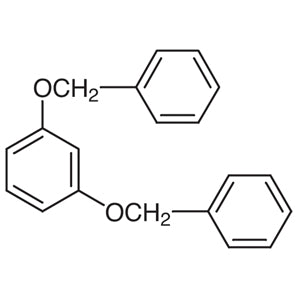
1,3-Dibenzyloxybenzene TCI B2129
Regular price Rp 2.837.100,00Regular priceRp 1.983.450,00Sale price Rp 2.837.100,00 -
3,5-DibenzyloxybenzylAlcohol TCI D2651
Regular price From Rp 1.881.600,00Regular priceRp 1.331.400,00Sale price From Rp 1.881.600,00 -
3-BenzyloxybenzylAlcohol TCI B3857
Regular price Rp 2.227.050,00Regular priceRp 1.572.900,00Sale price Rp 2.227.050,00 -
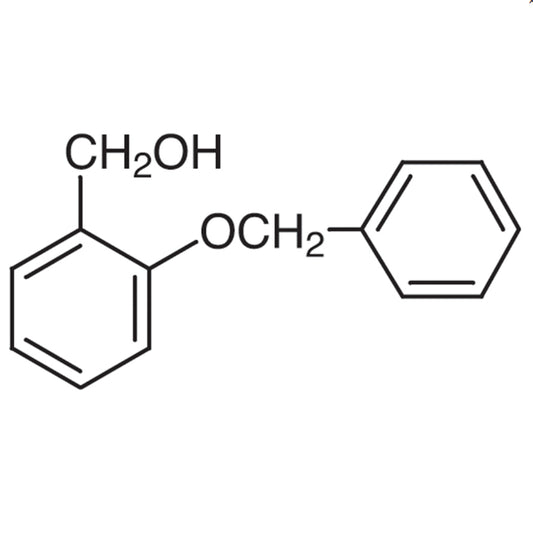
2-BenzyloxybenzylAlcohol TCI B2943
Regular price From Rp 3.074.400,00Regular priceRp 2.165.100,00Sale price From Rp 3.074.400,00 -
4-BenzyloxybenzylAlcohol TCI B1602
Regular price From Rp 662.550,00Regular priceRp 478.800,00Sale price From Rp 662.550,00 -
2-BenzyloxybenzoicAcid TCI B4766
Regular price From Rp 1.378.650,00Regular priceRp 979.650,00Sale price From Rp 1.378.650,00 -
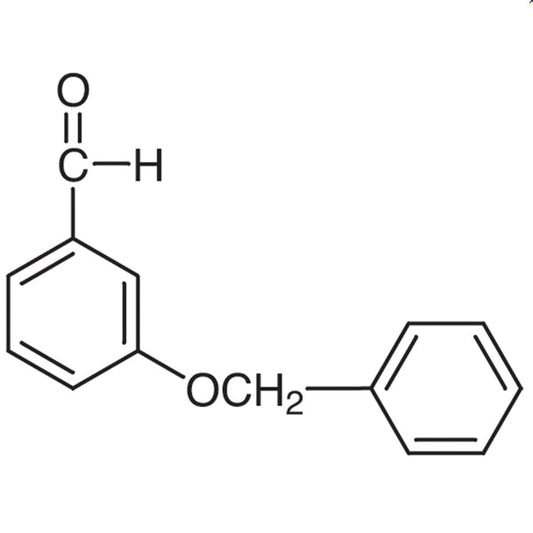
3-Benzyloxybenzaldehyde TCI B2400
Regular price Rp 1.856.400,00Regular priceRp 1.297.800,00Sale price Rp 1.856.400,00 -
4-BenzyloxybenzoicAcid TCI B1665
Regular price From Rp 1.538.250,00Regular priceRp 1.090.950,00Sale price From Rp 1.538.250,00