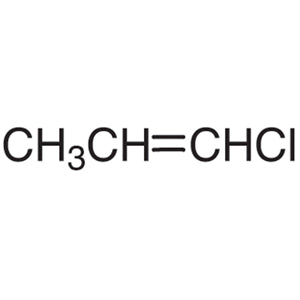
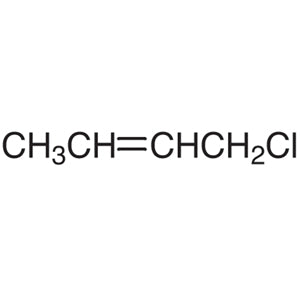
1,3-Dichloropropene (cis- and trans- mixture) is a chemical compound widely used in laboratory settings as a building block for various organic reactions. This compound serves as a versatile reagent in synthetic chemistry, particularly in the substitution and addition reactions that form complex molecules. Its presence in organic compounds is crucial for introducing chlorine atoms at specific positions along a carbon chain, making it an essential component in the development of new chemical structures. Due to its reactivity, it is frequently employed in both organic and analytical chemistry research to facilitate the synthesis of more complex compounds.
The compound's reactivity is a key attribute that makes it a preferred choice for chemists. It readily reacts with a variety of reagents, including alkali metals and electrophilic compounds, enabling the formation of diverse chemical products. Its relatively low boiling and melting points simplify handling during chemical reactions, allowing for efficient heating and cooling processes. These physical properties make it suitable for use in a wide range of experimental conditions, enhancing its utility in both academic and industrial research environments.
In Indonesian laboratories, 1,3-Dichloropropene is commonly used in organic chemistry research, especially in pharmaceutical and chemical industries. Many research institutions and universities in Indonesia rely on this compound to develop new compounds and conduct advanced chemical studies. Its role in facilitating chemical synthesis and analysis makes it an important tool for scientific innovation in the region.
Related TCI products
- TCI D2346 10061-02-6 trans-1,3-Dichloropropene
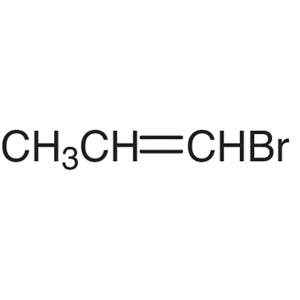
- TCI B1038 590-14-7 1-Bromo-1-propene (cis- and trans- mixture)
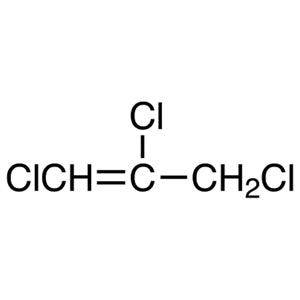
- TCI T0396 96-19-5 1,2,3-Trichloropropene (cis- and trans- mixture)
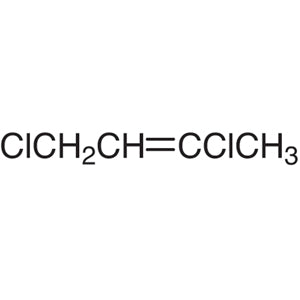
- TCI D0351 926-57-8 1,3-Dichloro-2-butene (cis- and trans- mixture)
- TCI D0186 540-49-8 1,2-Dibromoethylene (cis- and trans- mixture)
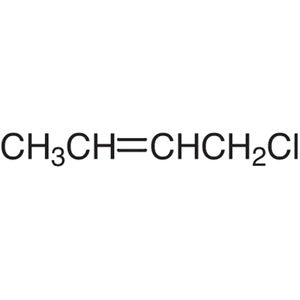
- TCI C1686 591-97-9 Crotyl Chloride (cis- and trans- mixture, contains 38% 3-Chloro-1-butene at maximum)
- Organic synthesis reactions benefit from 1,3-Dichloropropene due to its ability to undergo substitution and addition processes, enabling the creation of complex molecular structures.
- Analytical chemistry applications utilize this compound for its reactivity with various reagents, aiding in the identification and characterization of organic compounds.
- Pharmaceutical research employs 1,3-Dichloropropene as a building block for the synthesis of new drug molecules, contributing to the development of therapeutic agents.
- Industrial chemical processes use this compound for its versatility in modifying organic molecules, supporting the production of specialty chemicals and intermediates.
- Teaching laboratories incorporate 1,3-Dichloropropene to demonstrate fundamental chemical reactions and provide hands-on experience in synthetic chemistry techniques.
| Brand | TCI |
|---|---|
| CAS number | 542-75-6 |
| Molecular formula | — |
| Purity | — |
| Category | Chemistry > Building Blocks > Non-Heterocyclic Building Blocks |
| Pack sizes | Available in various quantities as per supplier specifications |
| Physical form | Liquid |
| Storage | Store in a cool, dry place away from light and incompatible materials |
1,3-Dichloropropene should be stored in a cool, dry place, away from direct sunlight and sources of heat. It is recommended to use sealed containers made of materials compatible with its chemical properties, such as glass or high-density polyethylene. Due to its reactivity, it should be kept away from incompatible substances like strong oxidizers and alkalis. Proper ventilation is essential when handling this compound to prevent inhalation of vapors. Laboratory personnel should wear appropriate personal protective equipment, including gloves and safety goggles, to minimize exposure. Regular monitoring of storage conditions ensures the stability and safety of the compound in the laboratory environment.
—
Produk Terkait
-
trans-1,3-Dichloropropene TCI D2346
Regular price From Rp 3.949.050,00Regular price -
1-Bromo-1-propene(cis-andtrans-mixture) TCI B1038
Regular price From Rp 1.431.150,00Regular price -
1,2,3-Trichloropropene(cis-andtrans-mixture) TCI T0396
Regular price Rp 1.060.500,00Regular price -
1,3-Dichloro-2-butene(cis-andtrans-mixture) TCI D0351
Regular price Rp 8.533.350,00Regular price -
1,2-Dibromoethylene(cis-andtrans-mixture) TCI D0186
Regular price Rp 2.889.600,00Regular price -
CrotylChloride(cis-andtrans-mixture,contains38%3-Chloro-1-buteneatmaximum) TCI C1686
Regular price From Rp 689.850,00Regular price -
1-Chloro-1-propene(cis-andtrans-mixture) TCI C0272
Regular price Rp 4.743.900,00Regular price -
CrotylChloride(cis-andtrans-mixture) TCI C0145
Regular price From Rp 1.696.800,00Regular price