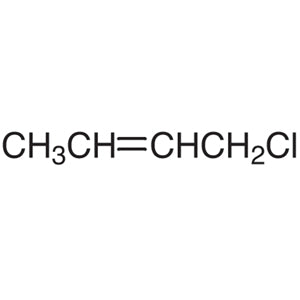
1,2,3-Trichloropropene (cis- and trans- mixture) is a versatile organic chemical compound widely used in laboratory settings as a building block for various chemical reactions. This compound is essential in synthetic chemistry due to its ability to participate in multiple reaction types, making it a valuable tool for researchers. Its molecular structure allows it to serve as a precursor for the synthesis of more complex organic compounds, including aromatic and heterocyclic structures. As a key reagent, it plays a crucial role in advancing chemical research and development in both academic and industrial laboratories.
The compound is known for its high reactivity, which makes it ideal for substitution, addition, and elimination reactions. Its solubility in organic solvents further enhances its usability, as it simplifies handling and integration into experimental protocols. These properties ensure that it remains a preferred choice for chemists working on synthetic pathways and functional group transformations. The combination of reactivity and solubility makes it a reliable and efficient material in the laboratory environment.
In Indonesian laboratories, 1,2,3-Trichloropropene is commonly used in organic chemistry research, particularly in universities and research institutions. It is frequently employed in the synthesis of synthetic compounds, reactivity testing, and the development of new chemical methodologies. Its availability and reliability make it a staple in the chemical supply chain, supporting both educational and industrial applications.
Related TCI products
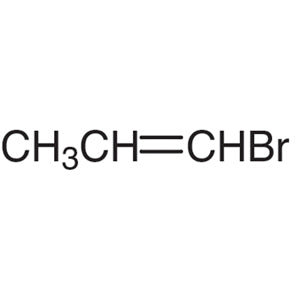
- TCI B1038 590-14-7 1-Bromo-1-propene (cis- and trans- mixture)
- TCI D0405 542-75-6 1,3-Dichloropropene (cis- and trans- mixture)
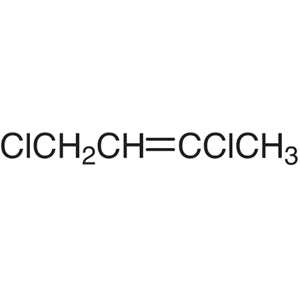
- TCI D0351 926-57-8 1,3-Dichloro-2-butene (cis- and trans- mixture)
- TCI D0186 540-49-8 1,2-Dibromoethylene (cis- and trans- mixture)
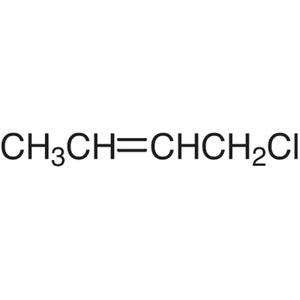
- TCI C1686 591-97-9 Crotyl Chloride (cis- and trans- mixture, contains 38% 3-Chloro-1-butene at maximum)
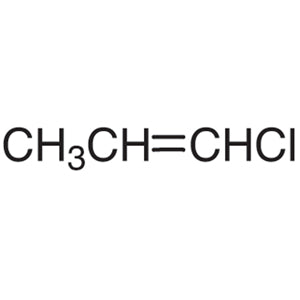
- TCI C0272 590-21-6 1-Chloro-1-propene (cis- and trans- mixture)
- Organic synthesis is a primary application where this compound is used to create more complex molecules due to its reactivity and versatility.
- Reactivity testing benefits from its high reactivity, allowing researchers to study chemical behavior under various conditions.
- Heterocyclic compound development utilizes its structure as a building block for creating aromatic and heterocyclic derivatives.
- Functional group transformation experiments rely on its ability to participate in substitution and elimination reactions.
- Synthetic pathway optimization uses its properties to streamline the creation of complex chemical structures efficiently.
| Brand | TCI |
|---|---|
| CAS number | 96-19-5 |
| Molecular formula | — |
| Purity | — |
| Category | Chemistry > Building Blocks > Non-Heterocyclic Building Blocks |
| Pack sizes | Available in various sizes as per supplier specifications |
| Physical form | Liquid |
| Storage | Store in a cool, dark place away from moisture and incompatible substances |
This compound should be stored in a cool, dark location, away from moisture and incompatible substances to maintain its stability and effectiveness. It is recommended to use airtight containers made of materials compatible with organic solvents to prevent contamination and evaporation. Due to its reactivity, it should be handled with appropriate personal protective equipment, including gloves and safety goggles. Proper ventilation is essential when working with this material to ensure a safe laboratory environment. Always follow standard chemical safety protocols to minimize exposure and ensure safe handling practices.
—
Produk Terkait
-
1-Bromo-1-propene(cis-andtrans-mixture) TCI B1038
Regular price From Rp 1.431.150,00Regular priceRp 1.000.650,00Sale price From Rp 1.431.150,00 -
1,3-Dichloropropene(cis-andtrans-mixture) TCI D0405
Regular price From Rp 664.650,00Regular priceRp 464.100,00Sale price From Rp 664.650,00 -
1,3-Dichloro-2-butene(cis-andtrans-mixture) TCI D0351
Regular price Rp 8.533.350,00Regular priceRp 5.967.150,00Sale price Rp 8.533.350,00 -
1,2-Dibromoethylene(cis-andtrans-mixture) TCI D0186
Regular price Rp 2.889.600,00Regular priceRp 2.020.200,00Sale price Rp 2.889.600,00 -
CrotylChloride(cis-andtrans-mixture,contains38%3-Chloro-1-buteneatmaximum) TCI C1686
Regular price From Rp 689.850,00Regular priceRp 481.950,00Sale price From Rp 689.850,00 -
1-Chloro-1-propene(cis-andtrans-mixture) TCI C0272
Regular price Rp 4.743.900,00Regular priceRp 3.316.950,00Sale price Rp 4.743.900,00 -
CrotylChloride(cis-andtrans-mixture) TCI C0145
Regular price From Rp 1.696.800,00Regular priceRp 1.186.500,00Sale price From Rp 1.696.800,00 -
trans-1,3-Dichloropropene TCI D2346
Regular price From Rp 3.949.050,00Regular priceRp 2.761.500,00Sale price From Rp 3.949.050,00