TCI D0453 1,3-Diethoxybenzene (CAS 2049-73-2) is a resorcinol derivative in which both hydroxyl groups have been converted to ethyl ethers, which is why it is also known as resorcinol diethyl ether. This aromatic compound belongs to the non-heterocyclic building blocks used in organic synthesis laboratories. It can serve as a starting material for electron-rich benzene derivatives. It is also used as a model compound for studying electrophilic aromatic substitution on rings that carry two alkoxy groups.
The two ethoxy groups sit meta to each other, and both donate electron density into the benzene ring. As a result, the ring is much more reactive toward electrophiles, and substitution happens at predictable positions. Unlike resorcinol, this compound has its hydroxyl groups protected as ethers, so it has no phenolic acidity. That makes it more stable under basic conditions and in the presence of organometallic reagents. Researchers therefore have more freedom when choosing reaction conditions, and side reactions involving a free phenol are not a concern.
In Indonesian laboratories, 1,3-diethoxybenzene is useful to synthetic organic chemistry research groups at universities, to laboratories developing fragrance and flavor materials, and to natural product research groups. Natural products often contain dialkoxy-substituted aromatic motifs, so this compound is a practical starting point or reference substance for that work. It suits student thesis projects, methodology development, and structure–reactivity studies that need a well-defined, electron-rich aromatic substrate from a recognized brand such as TCI.
- Synthesis of electron-rich benzene derivatives: the two donating ethoxy groups activate the ring, making this compound a convenient starting material for building more highly substituted aromatic intermediates.
- Model studies of electrophilic aromatic substitution: the meta-arranged alkoxy groups give predictable regioselectivity, which makes the compound a clear teaching and research model for directing-group effects.
- Reactions under basic or organometallic conditions: because the hydroxyl groups are already protected as ethyl ethers, the compound avoids the phenolic acidity that would interfere with strong bases and organometallic reagents.
- Fragrance and flavor material development: laboratories working on aroma compounds can use this alkoxybenzene as a building block for exploring new aromatic structures and related derivatives.
- Natural product research: many natural compounds contain dialkoxy aromatic motifs, so this compound is useful as a starting material or reference substance when building or studying such frameworks.
| Brand | TCI (product code D0453) |
|---|---|
| CAS number | 2049-73-2 |
| Molecular formula | — |
| Purity | — |
| Category | Chemistry > Building Blocks > Non-Heterocyclic Building Blocks |
| Pack sizes | available in TCI standard pack sizes; please refer to the product listing |
| Physical form | see the TCI label and Safety Data Sheet (SDS) for physical form and recommended storage conditions |
| Storage | — |
- Synonym: Resorcinol diethyl ether
Store 1,3-diethoxybenzene in its original tightly closed TCI container, in a cool, dry, well-ventilated area away from heat, ignition sources, direct sunlight, and strong oxidizing agents. If the material is transferred, use clean, chemically compatible glass containers with secure caps, and label them clearly with the product name and CAS number. Handle the compound in a fume hood while wearing appropriate personal protective equipment, including safety glasses, chemical-resistant gloves, and a lab coat. Avoid inhalation, skin contact, and eye contact. Always consult the Safety Data Sheet supplied with the product before use, and dispose of residues according to institutional chemical waste procedures.
—
Produk Terkait
-
1,4-Diethoxybenzene TCI D0535
Regular price From Rp 1.115.100,00Regular priceRp 779.100,00Sale price From Rp 1.115.100,00 -
1,2-Diethoxybenzene TCI D0452
Regular price From Rp 823.200,00Regular priceRp 575.400,00Sale price From Rp 823.200,00 -
1-Chloro-2,5-diethoxybenzene TCI C1576
Regular price From Rp 452.550,00Regular priceRp 316.050,00Sale price From Rp 452.550,00 -
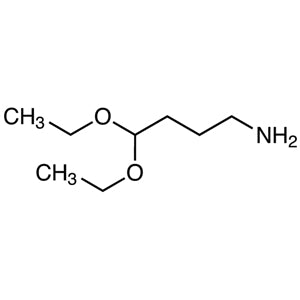
4,4-Diethoxybutylamine TCI D3968
Regular price From Rp 1.856.400,00Regular priceRp 1.313.550,00Sale price From Rp 1.856.400,00 -
4,4'-Diethoxybiphenyl TCI D1127
Regular price Rp 2.650.200,00Regular priceRp 1.853.250,00Sale price Rp 2.650.200,00 -
2,4-Diethoxybenzaldehyde TCI D4847
Regular price From Rp 1.829.100,00Regular priceRp 1.278.900,00Sale price From Rp 1.829.100,00 -
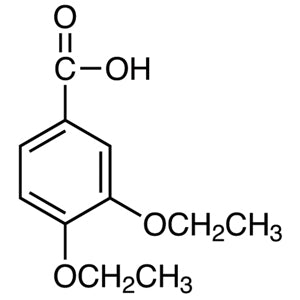
3,4-DiethoxybenzoicAcid TCI D4080
Regular price Rp 1.881.600,00Regular priceRp 1.331.400,00Sale price Rp 1.881.600,00 -
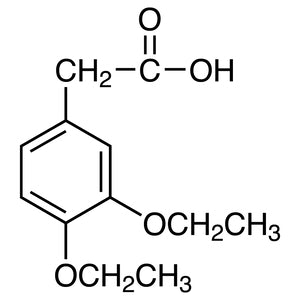
3,4-DiethoxyphenylaceticAcid TCI D3419
Regular price Rp 1.220.100,00Regular priceRp 868.350,00Sale price Rp 1.220.100,00