1,4-Diethoxybenzene is an organic chemical compound widely used as a foundational material in various chemical reactions. It belongs to the category of non-heterocyclic building blocks and is commonly utilized in synthetic chemistry for constructing complex molecules. This compound features an aromatic benzene ring with two ethoxy groups attached at positions 1 and 4, making it a versatile intermediate in organic synthesis. Its stability and controlled reactivity make it a reliable choice for researchers aiming to develop new compounds in both academic and industrial settings.
The properties of 1,4-Diethoxybenzene, such as its non-polar nature and solubility in organic solvents like ethyl acetate and chloroform, enhance its utility in substitution reactions and other chemical processes. Its non-heterocyclic structure ensures chemical stability, making it suitable for applications requiring long-term structural integrity. These characteristics allow it to be easily integrated into a wide range of experimental protocols, contributing to its popularity among chemists working in both research and development environments.
In Indonesian laboratories, 1,4-Diethoxybenzene is frequently employed in organic chemistry research, pharmaceutical compound synthesis, and the development of new chemical materials. Its availability in solid form and ease of handling make it a practical choice for laboratory use. Its role in advancing chemical innovation is significant, particularly in the fields of pharmacology and material science, where it serves as a key component in the creation of novel compounds and functional materials.
- Organic synthesis applications benefit from 1,4-Diethoxybenzene due to its aromatic structure and reactivity, enabling the formation of complex molecules with high precision.
- Pharmaceutical research utilizes this compound as a building block for synthesizing bioactive compounds, supporting drug discovery and development efforts.
- Material science experiments leverage its non-polar properties for creating polymers and coatings with specific chemical and physical characteristics.
- Analytical chemistry uses it as a reference standard for spectroscopic and chromatographic analyses, ensuring accurate and reproducible results.
- Industrial chemical processes incorporate it for the production of specialty chemicals, enhancing efficiency and product quality in manufacturing.
| Brand | TCI |
|---|---|
| CAS number | 122-95-2 |
| Molecular formula | — |
| Purity | — |
| Category | Chemistry > Building Blocks > Non-Heterocyclic Building Blocks |
| Pack sizes | Available in various quantities as per standard laboratory supply options |
| Physical form | Solid |
| Storage | Store in a cool, dry place away from direct sunlight and incompatible materials |
1,4-Diethoxybenzene should be stored in a cool, dry environment to maintain its chemical stability and prevent degradation. It is recommended to use airtight containers made of materials such as glass or polyethylene to minimize exposure to moisture and air. As a non-polar compound, it does not react readily with most substances, but it is important to keep it away from strong oxidizing agents and incompatible chemicals. In laboratory settings, proper labeling and storage in designated chemical cabinets are essential for safety and organization. Regular inspection of storage conditions ensures that the compound remains in optimal condition for use in experiments and research activities.
—
Produk Terkait
-
1,3-Diethoxybenzene TCI D0453
Regular price Rp 4.452.000,00Regular priceRp 3.113.250,00Sale price Rp 4.452.000,00 -
1,2-Diethoxybenzene TCI D0452
Regular price From Rp 823.200,00Regular priceRp 575.400,00Sale price From Rp 823.200,00 -
1-Chloro-2,5-diethoxybenzene TCI C1576
Regular price From Rp 452.550,00Regular priceRp 316.050,00Sale price From Rp 452.550,00 -
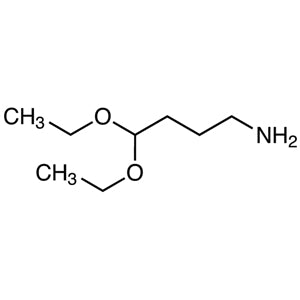
4,4-Diethoxybutylamine TCI D3968
Regular price From Rp 1.856.400,00Regular priceRp 1.313.550,00Sale price From Rp 1.856.400,00 -
4,4'-Diethoxybiphenyl TCI D1127
Regular price Rp 2.650.200,00Regular priceRp 1.853.250,00Sale price Rp 2.650.200,00 -
2,4-Diethoxybenzaldehyde TCI D4847
Regular price From Rp 1.829.100,00Regular priceRp 1.278.900,00Sale price From Rp 1.829.100,00 -
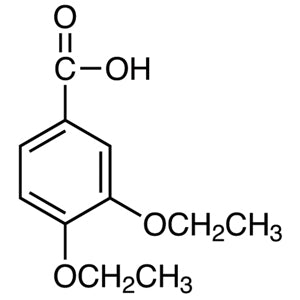
3,4-DiethoxybenzoicAcid TCI D4080
Regular price Rp 1.881.600,00Regular priceRp 1.331.400,00Sale price Rp 1.881.600,00 -
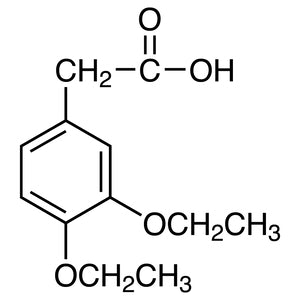
3,4-DiethoxyphenylaceticAcid TCI D3419
Regular price Rp 1.220.100,00Regular priceRp 868.350,00Sale price Rp 1.220.100,00