TCI D0647 4-Dimethylaminobenzylidenerhodanine is a rhodanine derivative that carries a 4-dimethylaminobenzylidene group. It is classed as a heterocyclic building block because it is built on a thiazolidine core that contains both sulfur and nitrogen. In analytical chemistry it has long been known as a colorimetric reagent and indicator for precious metal ions, especially silver. It forms coloured precipitates or complexes with silver ions, so it is also used in qualitative tests and titrations.
Chemists choose this compound because its sulfur-rich rhodanine group binds strongly to soft metal ions such as silver, gold, palladium and mercury. The dimethylaminobenzylidene group extends the conjugated system, which gives the molecule its colour and makes the colour change on metal binding easy to see. Together these features give a sensitive, simple test that does not need expensive instruments. In synthesis, the benzylidene-rhodanine framework is also a widely studied motif in medicinal chemistry, which makes it useful beyond analytical work.
In Indonesia, this reagent serves analytical chemistry laboratories at universities, precious metal testing and silver processing laboratories, and environmental laboratories that monitor metals in waste streams. Teaching laboratories value it for showing classical qualitative analysis and complex formation in a way students can see. Research groups working on heterocyclic and medicinal chemistry can use it as a starting scaffold. Because the test is simple, smaller laboratories with limited instruments can also run reliable screening for precious metal ions.
Related TCI products
- Colorimetric detection of silver ions: the reagent forms coloured precipitates or complexes with silver, so analysts can confirm silver visually without spectroscopic equipment.
- Indicator in silver titrations: its clear colour change when it binds silver ions makes it suitable for marking the endpoint in classical titrimetric methods.
- Qualitative analysis of precious metals: the sulfur-rich rhodanine group binds soft metal ions such as gold, palladium and mercury, so it supports simple screening tests in teaching and testing laboratories.
- Environmental metal monitoring: environmental laboratories can use it as a quick, sensitive indicator when checking wastewater and other waste streams for soft metal ions before confirmatory analysis.
- Medicinal and heterocyclic chemistry research: the benzylidene-rhodanine framework is a widely studied motif, so researchers can use this compound as a building block or reference scaffold in synthesis.
| Brand | TCI (product code D0647) |
|---|---|
| CAS number | 536-17-4 |
| Molecular formula | — |
| Purity | — |
| Category | Chemistry > Building Blocks > Heterocyclic Building Blocks |
| Pack sizes | available in TCI standard pack sizes; please ask AMI Scientific which sizes are currently offered |
| Physical form | see the product label and the Certificate of Analysis |
| Storage | follow the storage conditions on the TCI label and Safety Data Sheet |
Store 4-Dimethylaminobenzylidenerhodanine in its original, tightly closed container in a cool, dry and well-ventilated place, away from direct light, heat and strong oxidising agents. Keep it apart from metal salt solutions so that the reagent is not contaminated and does not react by accident. Use clean, dry spatulas and glassware for each portion you take. Wear standard laboratory protection, including gloves, safety glasses and a lab coat. Handle the material in a fume hood or a well-ventilated area to avoid inhaling dust. Read the TCI Safety Data Sheet before use, label all prepared solutions clearly, and dispose of residues and metal-containing waste according to local regulations.
—
Produk Terkait
-
5-[4-(Diethylamino)benzylidene]rhodanine TCI D0464
Regular price From Rp 822.150,00Regular priceRp 590.100,00Sale price From Rp 822.150,00 -
2-Aminobenzothiazole TCI A0277
Regular price From Rp 1.113.000,00Regular priceRp 793.800,00Sale price From Rp 1.113.000,00 -
5-Aminobenzimidazole TCI A2605
Regular price From Rp 1.829.100,00Regular priceRp 1.294.650,00Sale price From Rp 1.829.100,00 -
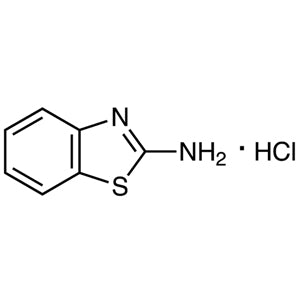
2-AminobenzothiazoleHydrochloride TCI A1218
Regular price Rp 2.147.250,00Regular priceRp 1.517.250,00Sale price Rp 2.147.250,00 -
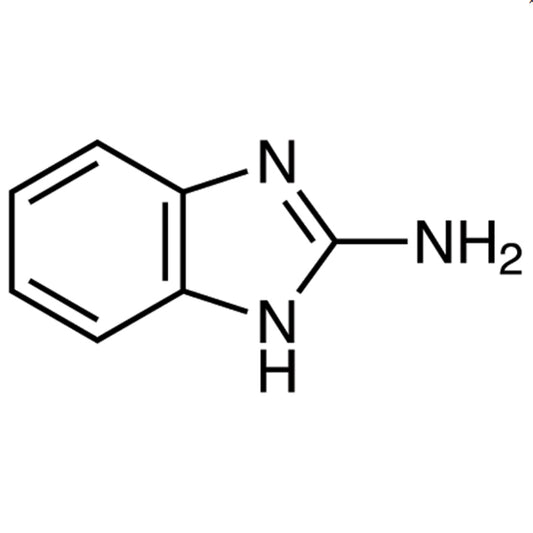
2-Aminobenzimidazole TCI A0850
Regular price From Rp 1.192.800,00Regular priceRp 849.450,00Sale price From Rp 1.192.800,00 -
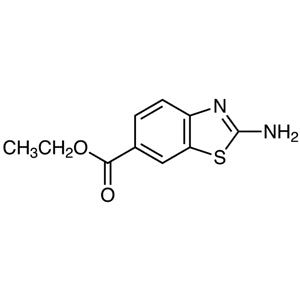
Ethyl2-Aminobenzothiazole-6-carboxylate TCI E0985
Regular price From Rp 822.150,00Regular priceRp 590.100,00Sale price From Rp 822.150,00 -
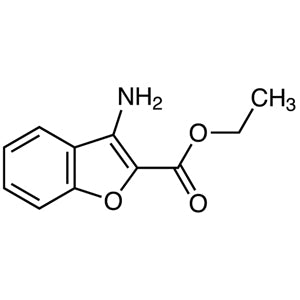
Ethyl3-Aminobenzofuran-2-carboxylate TCI E0910
Regular price From Rp 1.113.000,00Regular priceRp 793.800,00Sale price From Rp 1.113.000,00 -
2-AminobenzylCyanide TCI A2997
Regular price From Rp 557.550,00Regular priceRp 405.300,00Sale price From Rp 557.550,00