Ethyl 2-Aminobenzothiazole-6-carboxylate is a chemical compound widely used in organic synthesis reactions. It belongs to the category of heterocyclic building blocks, which are essential components in the development of complex chemical structures. In laboratory settings, this compound serves as a key reagent for the synthesis of bioactive molecules, including pharmaceuticals and pharmacological agents. Its structural versatility allows it to participate in various chemical reactions, such as nucleophilic and electrophilic processes, making it a valuable tool for chemists.
The compound is known for its stable chemical structure and favorable reactivity, which make it a preferred choice in synthetic pathways. Its solubility in organic solvents simplifies purification and isolation procedures, enhancing efficiency in laboratory workflows. These properties contribute to its reliability and effectiveness in both research and industrial applications. Additionally, its consistent performance across different reaction conditions ensures reproducibility and accuracy in experimental outcomes.
In Indonesian laboratories, Ethyl 2-Aminobenzothiazole-6-carboxylate is commonly used in pharmaceutical, organic chemistry, and biochemical research. It is a fundamental material for the development of new therapeutic compounds and is utilized by academic institutions and research centers. Its availability and reliability have made it a standard reagent in various scientific investigations, supporting advancements in medicinal and chemical sciences.
- Organic synthesis for the development of bioactive compounds due to its reactivity and structural versatility.
- Pharmaceutical research as a building block for the synthesis of pharmacologically active molecules.
- Biochemical studies to explore the compound’s potential in drug discovery and molecular interactions.
- Heterocyclic compound synthesis for the creation of complex chemical structures with specific functional groups.
- Analytical chemistry applications for use in reaction intermediates and compound characterization.
| Brand | TCI |
|---|---|
| CAS number | 50850-93-6 |
| Molecular formula | — |
| Purity | — |
| Category | Chemistry > Building Blocks > Heterocyclic Building Blocks |
| Pack sizes | Available in standard laboratory quantities as per supplier listings |
| Physical form | Solid (as per typical chemical compound form) |
| Storage | Store in a cool, dry place away from direct sunlight and moisture |
Ethyl 2-Aminobenzothiazole-6-carboxylate should be stored in a cool, dry environment to maintain its chemical stability. It is recommended to keep the compound in a tightly sealed container to prevent exposure to moisture and air. Suitable storage conditions include a controlled temperature range of 15–25°C. The compound should be handled with care, using appropriate personal protective equipment such as gloves and safety goggles. It is important to avoid contact with incompatible materials and ensure proper ventilation in the laboratory. Regular inspection of storage conditions is advised to ensure the integrity of the compound remains unaffected.
—
Produk Terkait
-
2-Aminobenzothiazole TCI A0277
Regular price From Rp 1.060.500,00Regular price -
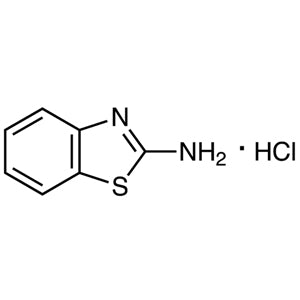
2-AminobenzothiazoleHydrochloride TCI A1218
Regular price Rp 2.094.750,00Regular price -
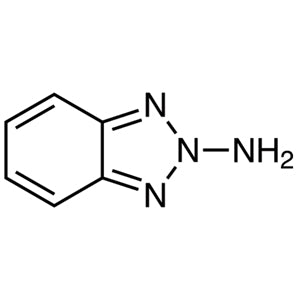
2-Aminobenzotriazole TCI A1585
Regular price From Rp 2.016.000,00Regular price -
1-Aminobenzotriazole TCI A1464
Regular price From Rp 6.015.450,00Regular price -
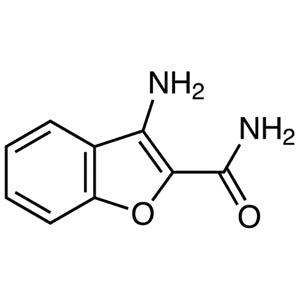
3-Aminobenzofuran-2-carboxamide TCI A2832
Regular price From Rp 823.200,00Regular price -
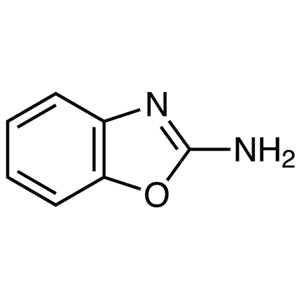
2-Aminobenzoxazole TCI A2774
Regular price From Rp 5.034.750,00Regular price -
2-Hydrazinobenzothiazole TCI H0177
Regular price From Rp 1.776.600,00Regular price -
Ethyl3-Aminobenzofuran-2-carboxylate TCI E0910
Regular price From Rp 1.060.500,00Regular price