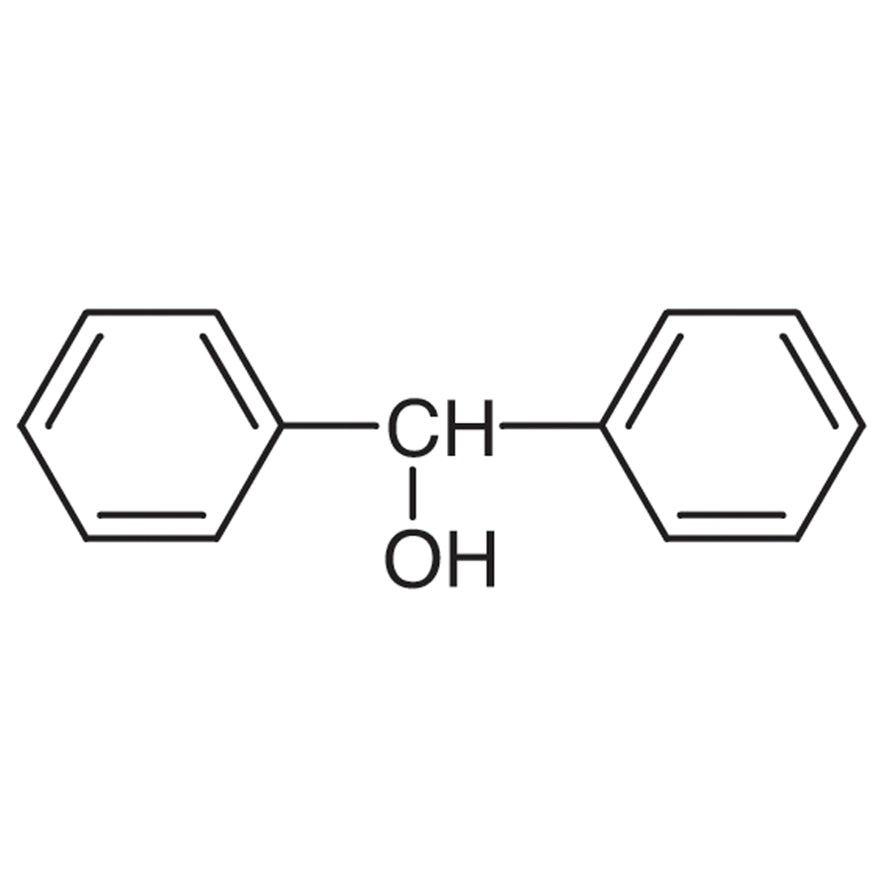
Benzhydrol, with CAS number 91-01-0, is a widely used chemical compound in laboratory settings. As a fundamental building block in organic chemistry, it plays a crucial role in the synthesis of complex molecules. Its simple yet versatile structure allows it to serve as both a substrate and a reagent in various chemical reactions. This compound is essential for researchers aiming to develop new compounds in pharmaceuticals, industrial chemicals, and other specialized fields. Its adaptability makes it a valuable resource for a wide range of experimental applications.
Benzhydrol is known for its stable chemical properties and reactivity, making it a preferred choice for many laboratory processes. It can participate in multiple types of reactions, including substitution, reduction, and oxidation, which enhances its utility in synthetic pathways. Its ability to undergo various chemical transformations without losing its structural integrity ensures consistent results in experiments. Additionally, its physical form and solubility characteristics make it compatible with a variety of laboratory techniques and solvents, further increasing its versatility.
In Indonesian laboratories, Benzhydrol is commonly used in chemical research, particularly in pharmaceutical and organic chemistry applications. It is a key component in the development of new compounds and is frequently employed in synthetic processes that require reliable and adaptable reagents. Its presence in research facilities across Indonesia highlights its importance in advancing scientific studies and innovation in the chemical sciences.
- Pharmaceutical research utilizes Benzhydrol for the synthesis of complex drug molecules due to its reactivity and structural flexibility.
- Organic chemistry experiments benefit from Benzhydrol's ability to participate in multiple reaction types, enhancing synthetic versatility.
- Industrial chemical development relies on Benzhydrol as a fundamental building block for creating new compounds and materials.
- Analytical chemistry applications use Benzhydrol as a reference standard for testing and calibrating analytical instruments.
- Academic research in chemistry incorporates Benzhydrol to explore new reaction pathways and chemical transformations in laboratory settings.
| Brand | TCI |
|---|---|
| CAS number | 91-01-0 |
| Molecular formula | — |
| Purity | — |
| Category | Chemistry > Building Blocks > Non-Heterocyclic Building Blocks |
| Pack sizes | Available in various quantities as per standard laboratory supply formats |
| Physical form | Liquid or solid depending on storage conditions |
| Storage | Store in a cool, dry place away from direct sunlight and incompatible materials |
Benzhydrol should be stored in a cool, dry environment to maintain its chemical stability. It is recommended to keep it in a sealed container to prevent exposure to air and moisture, which could affect its reactivity. Suitable storage containers include glass or high-density polyethylene (HDPE) bottles to ensure chemical compatibility. In laboratory settings, it should be handled with care, using appropriate personal protective equipment such as gloves and safety goggles. Avoid contact with incompatible substances like strong oxidizers or acids. Regular monitoring of storage conditions is essential to ensure the integrity and safety of the compound during long-term use.
—
Produk Terkait
-
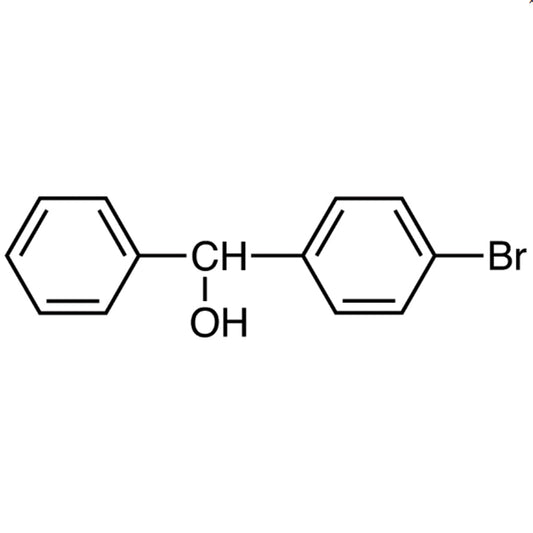
4-Bromobenzhydrol TCI B4680
Regular price From Rp 955.500,00Regular price -
2-Methylbenzhydrol TCI M1309
Regular price Rp 848.400,00Regular price -
4-Methoxybenzhydrol TCI M1278
Regular price From Rp 2.147.250,00Regular price -
4-Methylbenzhydrol TCI M1176
Regular price Rp 1.776.600,00Regular price -
4,4'-Dimethylbenzhydrol TCI D5460
Regular price From Rp 2.016.000,00Regular price -
4,4'-Dichloro-alpha-methylbenzhydrol TCI D2692
Regular price Rp 1.644.300,00Regular price -
4,4'-Dimethoxybenzhydrol TCI D2141
Regular price From Rp 1.431.150,00Regular price -
4,4'-Dichlorobenzhydrol TCI D1915
Regular price From Rp 1.829.100,00Regular price