Trans,trans-1,5-Diphenyl-1,4-pentadien-3-one is a chemical compound widely used in organic reactions for the synthesis of complex molecules. It serves as a versatile building block in chemical research, enabling the creation of aromatic and heterocyclic compounds through various reaction mechanisms. This compound is particularly valuable in catalytic and substitution reactions, where its reactivity and stability contribute to the success of synthetic pathways. Its role in modern laboratories is essential for advancing chemical innovation and developing new materials and pharmaceuticals.
The compound's unique chemical properties make it a preferred choice for researchers. It exhibits a stable molecular structure that allows for controlled reactivity under specific reaction conditions. Its ability to undergo efficient substitution and addition reactions enhances its utility in synthetic chemistry. The predictable behavior of this compound ensures consistency in experimental outcomes, making it a reliable material for both academic and industrial applications. Its chemical versatility supports a wide range of synthetic strategies, contributing to its popularity among chemists.
In Indonesian laboratories, this compound is commonly used in organic chemistry research, particularly in universities and research institutions focused on the synthesis of new compounds. It plays a key role in educational programs and technological development initiatives in the chemical sciences. Its availability in various packaging sizes facilitates its use in both small-scale and medium-scale experiments, supporting the needs of diverse research projects.
TCI brochures (PDF)
- C-H Bond Activation Reaction 2025-06-20 · p. 8
- Ligands 2025-12-01 · p. 18
Related TCI products
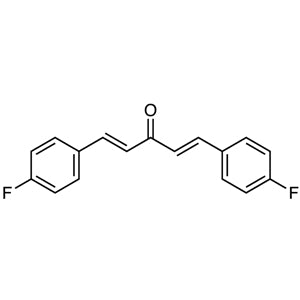
- TCI B2283 53369-00-9 trans,trans-1,5-Bis(4-fluorophenyl)-1,4-pentadien-3-one
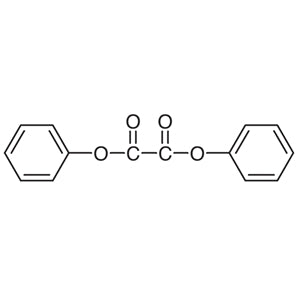
- TCI O0111 3155-16-6 Diphenyl Oxalate
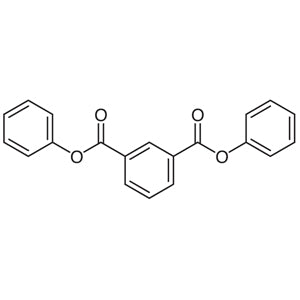
- TCI I0416 744-45-6 Diphenyl Isophthalate
- TCI D6039 641-57-6 7,9-Diphenyl-8H-cyclopenta[a]acenaphthylen-8-one
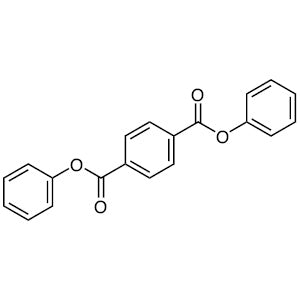
- TCI D5995 1539-04-4 Diphenyl Terephthalate
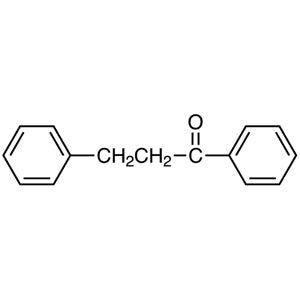
- TCI D5479 1083-30-3 1,3-Diphenyl-1-propanone
- Organic synthesis research where this compound is used to create complex aromatic and heterocyclic structures due to its reactivity and stability.
- Catalytic reactions that benefit from the compound's ability to participate in substitution and addition processes under controlled conditions.
- Pharmaceutical development projects that require the synthesis of new compounds with specific functional groups and molecular frameworks.
- Material science applications where the compound is utilized to develop new polymers and functional materials with desired properties.
- Educational programs in chemical sciences that incorporate this compound as a fundamental building block for teaching synthetic techniques and reaction mechanisms.
| Brand | TCI |
|---|---|
| CAS number | 35225-79-7 |
| Molecular formula | — |
| Purity | — |
| Category | Chemistry > Building Blocks > Non-Heterocyclic Building Blocks |
| Pack sizes | Available in various sizes to suit different experimental needs |
| Physical form | Solid or liquid depending on the specific product variant |
| Storage | Store in a cool, dry place away from direct sunlight and moisture |
This compound should be stored in a cool, dry environment, away from direct sunlight and moisture to maintain its chemical integrity. It is recommended to use airtight containers made of materials such as glass or high-density polyethylene to prevent contamination and degradation. In laboratory settings, it is important to handle the compound with appropriate personal protective equipment, including gloves and safety goggles, to ensure safety during handling. Proper ventilation should be maintained when working with this compound to minimize exposure to vapors. Regular monitoring of storage conditions is essential to ensure the compound remains stable and suitable for use in chemical experiments.
—
Produk Terkait
-
trans,trans-1,5-Bis(4-fluorophenyl)-1,4-pentadien-3-one TCI B2283
Regular price Rp 1.167.600,00Regular price -
DiphenylOxalate TCI O0111
Regular price From Rp 2.597.700,00Regular price -
DiphenylIsophthalate TCI I0416
Regular price From Rp 1.298.850,00Regular price -
7,9-Diphenyl-8H-cyclopenta[a]acenaphthylen-8-one TCI D6039
Regular price From Rp 955.500,00Regular price -
DiphenylTerephthalate TCI D5995
Regular price From Rp 2.094.750,00Regular price -
1,3-Diphenyl-1-propanone TCI D5479
Regular price From Rp 795.900,00Regular price -
4,4-Diphenyl-2-cyclohexen-1-one TCI D4982
Regular price From Rp 3.075.450,00Regular price -
1,4-Diphenyl-2-butyne-1,4-dione TCI D4699
Regular price From Rp 2.916.900,00Regular price
![7,9-Diphenyl-8H-cyclopenta[a]acenaphthylen-8-one (CAS 641-57-6) - TCI D6039 - AMI Scientific](http://amiscientific.com/cdn/shop/files/TCI2510D6039.jpg?v=1767109627&width=533)