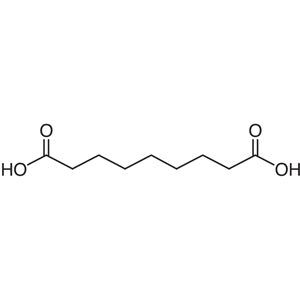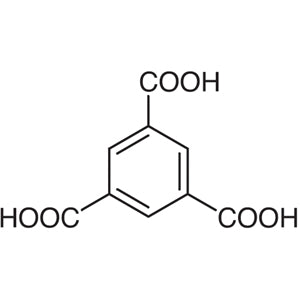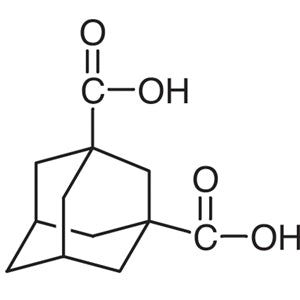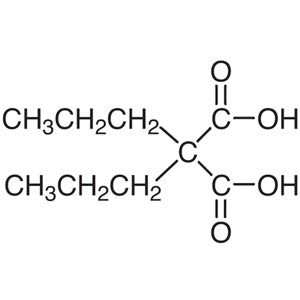
Dipropylmalonic Acid (DPMA), with the CAS number 1636-27-7, is a chemical compound widely used in laboratory settings for its versatility in chemical reactions. As a monomer, it plays a crucial role in polymer synthesis, enabling the creation of polymers with specific structural and functional properties. Its molecular structure allows for both addition and polymerization reactions, making it a valuable reagent in materials science and organic chemistry. DPMA is commonly used in research to develop new materials and compounds with tailored characteristics.
DPMA is preferred due to its ability to react with various functional groups such as amines, hydroxyls, and carboxylates. This reactivity allows it to participate in a wide range of chemical transformations, enhancing its utility in synthetic pathways. Additionally, DPMA exhibits good chemical stability under controlled laboratory conditions, which simplifies handling and storage. Its compatibility with different reagents and solvents further contributes to its popularity among researchers.
In Indonesian laboratories, DPMA is a key component in research related to polymer science, organic chemistry, and material development. It is frequently used in academic and industrial settings to explore new chemical applications and improve existing synthetic methods. Its role in advancing scientific research makes it an essential material for both educational and applied research projects.
Related TCI products
- Polymer synthesis for creating materials with specific mechanical and thermal properties due to its reactivity and structural versatility.
- Organic chemistry research for synthesizing complex molecules and functional derivatives through addition and polymerization reactions.
- Material science experiments to develop new polymers and composite materials with enhanced performance characteristics.
- Pharmaceutical applications in the synthesis of compounds used in drug development and chemical intermediates.
- Educational purposes in teaching chemical synthesis techniques and polymerization processes to students and researchers.
| Brand | TCI |
|---|---|
| CAS number | 1636-27-7 |
| Molecular formula | — |
| Purity | — |
| Category | Materials Science > Polymer/Macromolecule Reagents > Monomers |
| Pack sizes | Available in various quantities as per supplier specifications |
| Physical form | Solid, typically in crystalline or powder form |
| Storage | Store in a cool, dry place away from direct sunlight and moisture |
DPMA should be stored in a cool, dry environment to maintain its chemical stability and prevent degradation. It is recommended to use airtight containers to minimize exposure to moisture and air, which can affect its reactivity. Proper labeling of containers is essential for safe handling and identification. In laboratory settings, it should be kept away from incompatible substances such as strong oxidizers or bases. Personal protective equipment, including gloves and safety goggles, should be worn when handling DPMA to ensure safety. Regular monitoring of storage conditions is advised to maintain the integrity of the material and ensure compliance with safety standards.
—
Product Categories
Produk Terkait
-
trans-AconiticAcid TCI A0127
Regular price From Rp 2.068.500,00Regular price -
AzelaicAcid TCI A0561
Regular price From Rp 505.050,00Regular price -
AdipicAcid TCI A0161
Regular price From Rp 452.550,00Regular price -
AcetylenedicarboxylicAcid TCI A0088
Regular price From Rp 1.167.600,00Regular price -
alpha,alpha,alpha',alpha'-Tetramethyl-1,3-benzenedipropionicAcid TCI T3420
Regular price Rp 3.472.350,00Regular price -
1,3,5-BenzenetricarboxylicAcid TCI B0043
Regular price From Rp 1.035.300,00Regular price -
1,3-AdamantanedicarboxylicAcid TCI A1358
Regular price From Rp 1.749.300,00Regular price -
AzelaicAcid TCI A1318
Regular price From Rp 795.900,00Regular price