Lauroylcholine Chloride from TCI is the ester of choline with lauric acid (C12), supplied as the chloride salt. Structurally, the molecule has a positively charged quaternary ammonium head group derived from choline and a hydrophobic twelve-carbon acyl tail. It belongs to the lipid category within the life sciences and is used in biochemistry, pharmacology, and colloid chemistry laboratories. It behaves much like a cationic surfactant and is also closely related to natural acylcholine analogues such as acetylcholine, which makes it useful in both biological and physicochemical research.
Researchers choose this compound because it combines two properties that are rarely found in a single molecule. The choline portion allows biological systems that interact with choline esters, including cholinesterase enzymes, to recognize the molecule. The lauryl tail provides surface activity, so the compound can form micelles in water and interact with lipid membranes. Its ester bond can also be hydrolyzed, which makes it useful for studying both enzymatic and chemical degradation. As a TCI reagent, it gives laboratories a well-defined starting material for experiments where molecular identity matters.
In Indonesia, this material is relevant to pharmacology and biochemistry laboratories in faculties of pharmacy, medicine, and biology that study cholinergic systems, membranes, or drug delivery systems. Colloid chemistry and formulation laboratories can also use it to study the behavior of cationic amphiphiles in solution. University research groups, teaching laboratories, and institutional research centers will find it a practical reference compound for work that connects lipid chemistry with biological activity.
TCI brochures (PDF)
- Vitamins for Research and Experimental Use 2025-06-27 · p. 6
- Quaternary Ammonium Salts 2025-11-10 · p. 4
- Lipids 2025-12-17 · p. 13
- Cholinesterase studies: the choline ester structure lets enzymes that act on choline esters recognize the compound, so it can be used to examine enzyme interaction and hydrolysis behavior.
- Micelle and surfactant research: the cationic head and twelve-carbon hydrophobic tail allow it to form micelles in water, making it suitable for studying cationic surfactant self-assembly.
- Lipid membrane interaction studies: its amphiphilic structure lets it interact with lipid membranes, which supports research on how surface-active molecules affect membrane models.
- Ester degradation studies: the hydrolyzable ester bond makes it useful for comparing enzymatic and chemical degradation pathways under controlled laboratory conditions.
- Drug delivery and formulation research: its combination of biological recognition and surface activity makes it relevant to laboratories exploring amphiphilic components in drug delivery systems.
| Brand | TCI (product code D0973) |
|---|---|
| CAS number | 25234-60-0 |
| Molecular formula | — |
| Purity | — |
| Category | Life Science > Biochemicals and Reagents > Lipids |
| Pack sizes | as listed on the product page |
| Physical form | — |
| Storage | keep tightly closed in a cool, dry place and follow the TCI label and Safety Data Sheet |
- Chemical identity: choline ester of lauric acid (C12), chloride salt
Store Lauroylcholine Chloride in its original, tightly sealed container in a cool, dry, well-ventilated area away from moisture and incompatible materials. Because the molecule contains a hydrolyzable ester bond, protect it from humidity and prepare aqueous solutions fresh when possible. Always follow the storage conditions on the TCI label and Safety Data Sheet. Handle it with standard laboratory protective equipment, including gloves, safety glasses, and a lab coat. Avoid creating dust or inhaling it, prevent contact with skin and eyes, and dispose of waste according to local regulations.
—
Produk Terkait
-
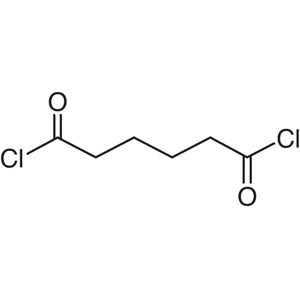
AdipoylChloride TCI A0169
Regular price From Rp 1.272.600,00Regular priceRp 905.100,00Sale price From Rp 1.272.600,00 -
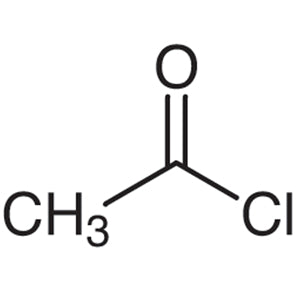
AcetylChloride TCI A0082
Regular price From Rp 848.400,00Regular priceRp 609.000,00Sale price From Rp 848.400,00 -
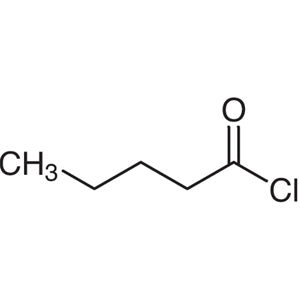
ValerylChloride TCI V0010
Regular price From Rp 1.008.000,00Regular priceRp 720.300,00Sale price From Rp 1.008.000,00 -
UndecanoylChloride TCI U0026
Regular price From Rp 1.590.750,00Regular priceRp 1.127.700,00Sale price From Rp 1.590.750,00 -
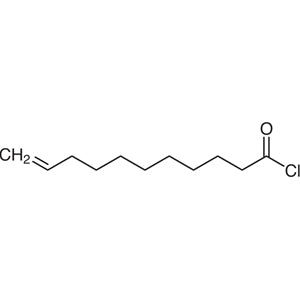
10-UndecenoylChloride TCI U0008
Regular price From Rp 1.405.950,00Regular priceRp 998.550,00Sale price From Rp 1.405.950,00 -
ButyrylChloride TCI B0770
Regular price From Rp 582.750,00Regular priceRp 423.150,00Sale price From Rp 582.750,00 -
AzelaoylChloride TCI A0562
Regular price Rp 2.464.350,00Regular priceRp 1.738.800,00Sale price Rp 2.464.350,00 -
MyristoylChloride TCI T0086
Regular price From Rp 1.272.600,00Regular priceRp 905.100,00Sale price From Rp 1.272.600,00