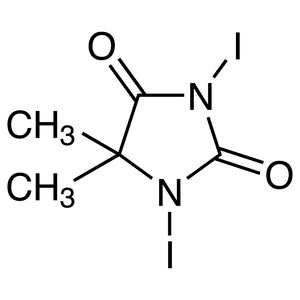
1,3-Dibromo-5,5-dimethylhydantoin is a chemical compound widely used in organic synthesis reactions within laboratory settings. As a synthetic reagent, it plays a crucial role in oxidation processes, acting as a strong oxidizing agent. Its unique chemical structure allows it to participate in various chemical transformations, making it a valuable tool for researchers. This compound is particularly useful in reactions that require controlled oxidation or structural modification of organic molecules. Its versatility and effectiveness make it a preferred choice in many synthetic pathways.
The compound’s high reactivity, due to the presence of two bromine atoms, enables it to act as a substitution agent or an electrophilic reagent. This reactivity, combined with its molecular stability under certain conditions, ensures that it remains effective in a wide range of experimental applications. Its ability to facilitate oxidation reactions and structural changes makes it an essential component in the synthesis of heterocyclic compounds and other complex molecules. The compound’s predictable behavior and reliability in laboratory conditions further enhance its appeal.
In Indonesian laboratories, 1,3-Dibromo-5,5-dimethylhydantoin is commonly used in chemical research, especially in academic and industrial settings. It is frequently employed in the development of new compounds and the study of oxidation mechanisms. Its availability and performance make it a standard reagent in many chemical laboratories across Indonesia, supporting both educational and research activities.
- Organic synthesis reactions benefit from this compound's strong oxidizing properties, enabling the formation of complex molecular structures.
- It is ideal for the preparation of heterocyclic compounds, where controlled oxidation and functional group modification are required.
- In oxidation studies, it serves as a reliable reagent for testing the reactivity of various organic substrates under different conditions.
- Its use in electrophilic substitution reactions allows for the selective modification of aromatic and aliphatic compounds.
- It is commonly applied in the development of pharmaceutical intermediates, where precise oxidation steps are critical to the synthesis process.
| Brand | TCI |
|---|---|
| CAS number | 77-48-5 |
| Molecular formula | — |
| Purity | — |
| Category | Chemistry > Synthetic Reagents > Oxidation [Synthetic Reagents] |
| Pack sizes | Available in various quantities as per standard laboratory requirements |
| Physical form | Solid |
| Storage | Store in a cool, dry place away from direct sunlight |
This compound should be stored in a cool, dry environment, away from direct sunlight and sources of heat. It is recommended to use airtight containers to prevent moisture absorption, which may affect its stability. Due to its reactivity, it should be handled with care, using appropriate personal protective equipment such as gloves and safety goggles. It is important to ensure proper ventilation in the workspace to minimize exposure to vapors. The compound should not be stored near incompatible materials such as flammable substances or strong reducing agents. Regular inspection of storage conditions is advised to maintain its integrity and effectiveness for laboratory use.
—
Produk Terkait
-
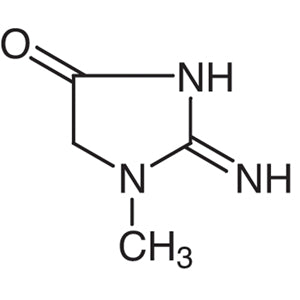
Creatinine TCI C0398
Regular price From Rp 769.650,00Regular price -
5-(4-Chlorobutyl)hydantoin TCI C0902
Regular price From Rp 1.565.550,00Regular price -
5,5-Dimethylhydantoin TCI D0739
Regular price From Rp 505.050,00Regular price -
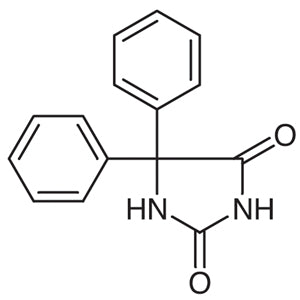
Phenytoin TCI D0894
Regular price Rp 1.405.950,00Regular price -
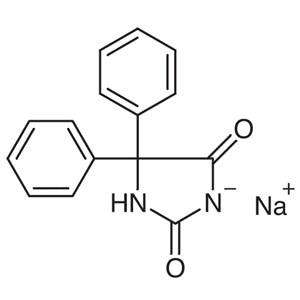
PhenytoinSodium TCI D1331
Regular price From Rp 980.700,00Regular price -
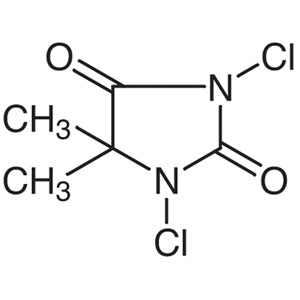
1,3-Dichloro-5,5-dimethylhydantoin TCI D1783
Regular price From Rp 505.050,00Regular price -
1-Dodecylhydantoin TCI D2052
Regular price Rp 3.498.600,00Regular price -
1,3-Diiodo-5,5-dimethylhydantoin TCI D3657
Regular price From Rp 1.936.200,00Regular price