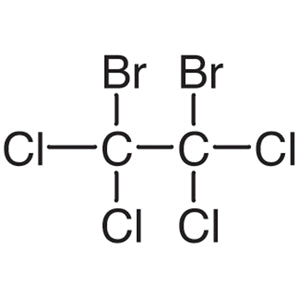
1,2-Dibromo-1,1,2,2-tetrachloroethane is a chemical compound widely used in laboratory settings for its unique reactivity and stability. It belongs to the category of non-heterocyclic building blocks, making it a fundamental component in the synthesis of complex organic compounds. This compound is commonly employed as a reagent or intermediate in various chemical reactions, particularly those involving halogen substitution or replacement. Its molecular structure, containing four chlorine atoms and two bromine atoms, provides it with specific chemical properties that are essential for controlled chemical processes.
The compound's stability and controlled reactivity make it a preferred choice for laboratory applications. Its halogenated structure allows for predictable chemical behavior, enabling chemists to manipulate reactions with precision. The combination of chlorine and bromine atoms contributes to its versatility, allowing it to participate in substitution, elimination, and addition reactions. These properties make it an essential tool for organic chemists working on the synthesis of halogenated compounds.
In Indonesian laboratories, this compound is frequently used in research, education, and industrial settings. It plays a crucial role in both academic and applied chemistry, supporting a wide range of experimental and developmental projects. Its availability and reliability make it a standard component in many chemical laboratories across Indonesia, contributing to the advancement of chemical research and innovation.
TCI brochures (PDF)
- Halogenation Reagents 2026-04-03 · p. 6
- Organic synthesis applications benefit from this compound's halogenated structure, enabling controlled substitution reactions in complex molecule development.
- Halogen replacement reactions often utilize this compound due to its stable yet reactive nature, allowing for precise chemical modifications.
- Industrial chemical processes rely on its predictable reactivity for the production of specialized halogenated compounds.
- Educational institutions use it to teach fundamental chemical reaction mechanisms and synthetic pathways in organic chemistry.
- Research laboratories incorporate it into studies focused on the development of new materials and pharmaceutical compounds.
| Brand | TCI |
|---|---|
| CAS number | 630-25-1 |
| Molecular formula | — |
| Purity | — |
| Category | Chemistry > Building Blocks > Non-Heterocyclic Building Blocks |
| Pack sizes | Available in various quantities as per standard laboratory supply requirements |
| Physical form | Liquid |
| Storage | Store in a cool, dry, and well-ventilated area away from direct sunlight |
This compound should be stored in a cool, dry, and well-ventilated area, away from direct sunlight and incompatible materials. It is recommended to use sealed containers made of materials resistant to chemical corrosion, such as glass or high-density polyethylene. Due to its halogenated nature, it is important to handle it with appropriate personal protective equipment, including gloves and safety goggles. Avoid exposure to heat or open flames, as it may react with certain substances. In laboratory settings, ensure proper ventilation to minimize inhalation risks. Always follow standard chemical safety protocols when working with this compound to maintain a safe and controlled environment.
—
Produk Terkait
-
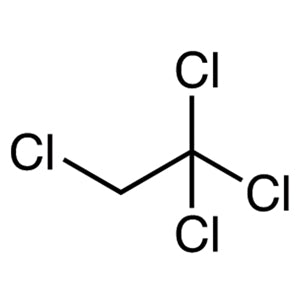
1,1,1,2-Tetrachloroethane TCI T0695
Regular price Rp 2.571.450,00Regular price -
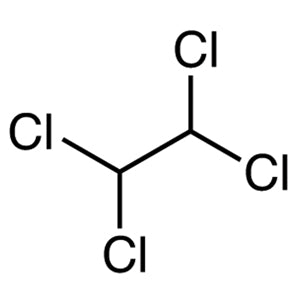
1,1,2,2-Tetrachloroethane TCI T0063
Regular price From Rp 477.750,00Regular price -
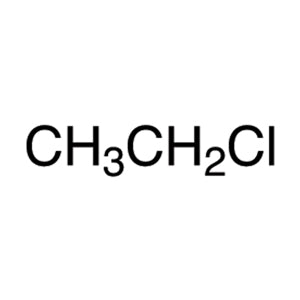
Chloroethane(ca.17%inEthylEther,ca.2.0mol/L) TCI C2882
Regular price From Rp 1.803.900,00Regular price -
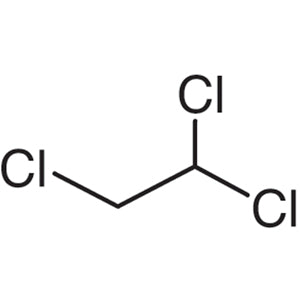
1,1,2-Trichloroethane TCI T0381
Regular price From Rp 477.750,00Regular price -
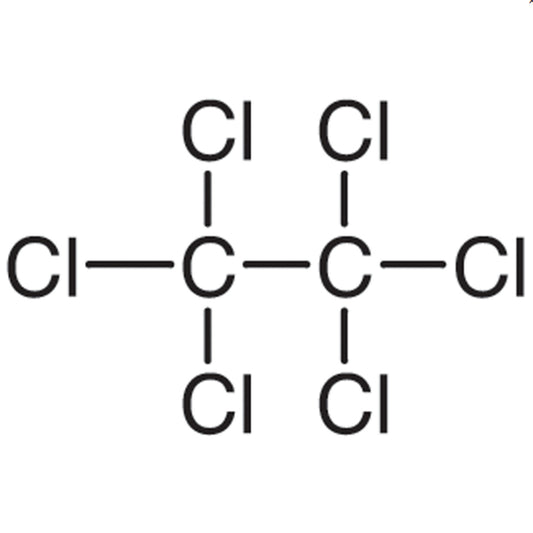
Hexachloroethane TCI H0060
Regular price From Rp 505.050,00Regular price -
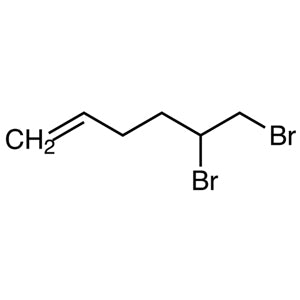
5,6-Dibromo-1-hexene TCI D4844
Regular price From Rp 1.803.900,00Regular price -
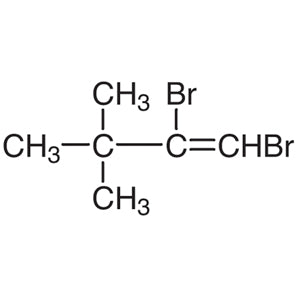
1,2-Dibromo-3,3-dimethyl-1-butene TCI D2914
Regular price Rp 1.458.450,00Regular price -
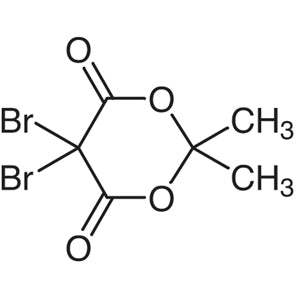
5,5-Dibromomeldrum'sAcid(=5,5-Dibromo-2,2-dimethyl-4,6-dioxy-1,3-dioxane) TCI D1710
Regular price From Rp 3.683.400,00Regular price