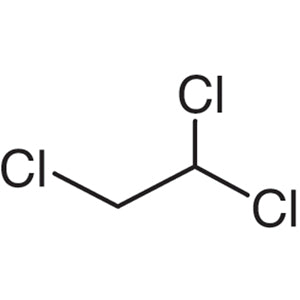
1,1,2-Trichloroethane is a chemical compound widely used in various laboratory experiments. It belongs to the category of non-heterocyclic building blocks, which are essential for the synthesis of more complex chemical structures. This compound plays a crucial role in chemical processes by serving as a solvent, reagent, or auxiliary material. Its simple molecular structure makes it versatile for a range of applications in both organic and analytical chemistry. In laboratory settings, it is particularly valuable for its ability to dissolve non-polar substances, making it an effective tool in many chemical reactions and purification techniques.
The chemical properties of 1,1,2-Trichloroethane make it a preferred choice in laboratory environments. It is chemically stable and does not readily decompose under normal conditions, ensuring consistent performance in experiments. Its relatively high boiling point allows for controlled evaporation or distillation processes, which are essential in many synthetic and analytical procedures. Additionally, its non-polar nature enables it to dissolve a wide range of organic compounds, making it a reliable solvent in various chemical applications. These characteristics contribute to its widespread use in laboratory research.
In Indonesian laboratories, 1,1,2-Trichloroethane is commonly used in organic chemistry, analytical chemistry, and the production of chemical materials. It is an essential component in the development of new compounds and the analysis of chemical substances. Its reliability and effectiveness make it a staple in both academic and industrial research settings across Indonesia.
Related TCI products
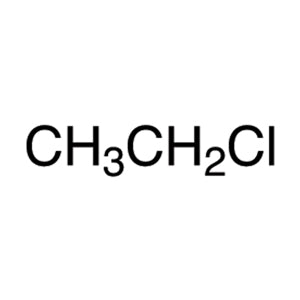
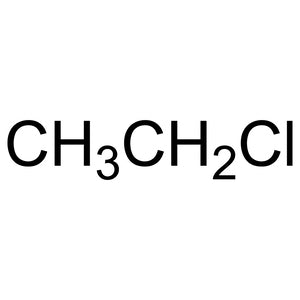
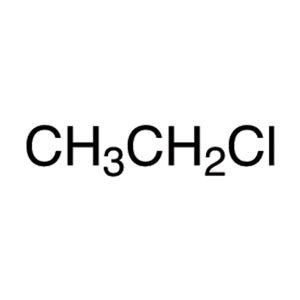
- TCI C2882 75-00-3 Chloroethane (ca. 17% in Ethyl Ether, ca. 2.0mol/L)
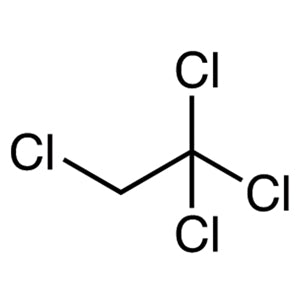
- TCI T0695 630-20-6 1,1,1,2-Tetrachloroethane
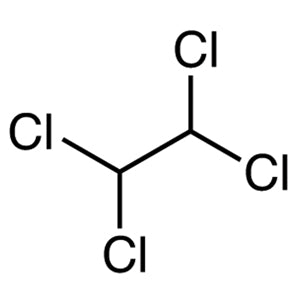
- TCI T0063 79-34-5 1,1,2,2-Tetrachloroethane
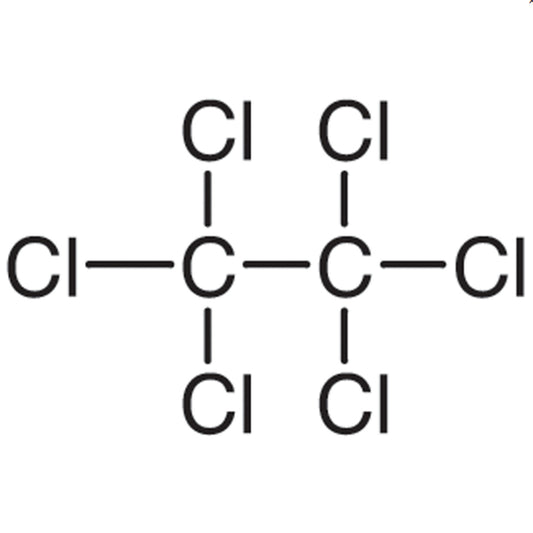
- TCI H0060 67-72-1 Hexachloroethane
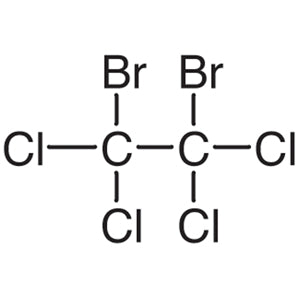
- TCI D1987 630-25-1 1,2-Dibromo-1,1,2,2-tetrachloroethane
- TCI C4176 75-00-3 Chloroethane (ca. 15% in N,N-Dimethylformamide, ca. 2 mol/L)
- Organic synthesis where it serves as a solvent for dissolving non-polar organic compounds and facilitating reaction processes.
- Analytical chemistry for sample preparation and extraction of non-polar substances from complex mixtures.
- Distillation and purification procedures due to its high boiling point, allowing controlled separation of components.
- Industrial chemical production where it is used as a reagent or auxiliary material in the manufacturing of various chemical products.
- Environmental testing for the analysis of volatile organic compounds in air and water samples.
| Brand | TCI |
|---|---|
| CAS number | 79-00-5 |
| Molecular formula | — |
| Purity | — |
| Category | Chemistry > Building Blocks > Non-Heterocyclic Building Blocks |
| Pack sizes | Available in various sizes as per supplier specifications |
| Physical form | Liquid |
| Storage | Store in a cool, well-ventilated area away from direct sunlight |
1,1,2-Trichloroethane should be stored in a cool, dry, and well-ventilated area away from direct sunlight and sources of heat. It is recommended to use sealed containers made of materials compatible with its chemical properties, such as glass or high-density polyethylene. Due to its flammable nature, it should be kept away from open flames and potential ignition sources. Proper personal protective equipment, including gloves and safety goggles, should be worn when handling the compound. Regular monitoring of storage conditions is essential to ensure safety and maintain the compound's stability. Always follow standard laboratory safety protocols when working with this substance.
—
Produk Terkait
-
Chloroethane(ca.17%inEthylEther,ca.2.0mol/L) TCI C2882
Regular price From Rp 1.803.900,00Regular price -
1,1,1,2-Tetrachloroethane TCI T0695
Regular price Rp 2.571.450,00Regular price -
1,1,2,2-Tetrachloroethane TCI T0063
Regular price From Rp 477.750,00Regular price -
Hexachloroethane TCI H0060
Regular price From Rp 505.050,00Regular price -
1,2-Dibromo-1,1,2,2-tetrachloroethane TCI D1987
Regular price Rp 1.431.150,00Regular price -
Chloroethane(ca.15%inN,N-Dimethylformamide,ca.2mol/L) TCI C4176
Regular price Rp 1.803.900,00Regular price -
Chloroethane(ca.15%inTetrahydrofuran,ca.2.0mol/L) TCI C2883
Regular price Rp 1.803.900,00Regular price -
trans-1,2-Dichloroethylene(stabilizedwithMEHQ) TCI D0368
Regular price From Rp 1.618.050,00Regular price