N-Bromosaccharin is a chemical compound widely used in synthetic laboratory reactions. It belongs to the category of oxidative reagents and is commonly employed in oxidation processes to modify the structure of organic compounds. As a potent reagent, it facilitates chemical reactions by introducing bromine atoms into target molecules, making it essential for various organic synthesis applications. This compound is particularly valuable in research settings where controlled oxidation is required to achieve specific molecular transformations. Its role in synthetic chemistry is critical, especially in the development of complex organic molecules.
The properties that make N-Bromosaccharin a preferred choice include its high reactivity towards easily oxidizable organic compounds and its stability under certain conditions. It dissolves well in organic solvents such as ethyl acetate and chloroform, which simplifies mixing and reaction processes in the laboratory. Its ability to act as a selective oxidizing agent makes it suitable for applications where precision and control are necessary. These characteristics ensure that it remains a reliable and effective reagent in both academic and industrial research environments.
In Indonesian laboratories, N-Bromosaccharin is frequently used in pure chemical research and pharmaceutical development. Its importance lies in its ability to enable the synthesis of new compounds that require specific structural modifications. The compound is a key component in studies aimed at creating novel chemical entities, supporting advancements in both academic and industrial sectors. Its availability and effectiveness make it a valuable resource for researchers working in oxidation-based synthetic processes.
TCI brochures (PDF)
- Halogenation Reagents 2026-04-03 · p. 7
- Oxidizing Agents 2025-06-11 · p. 8
- Organic synthesis where controlled oxidation of organic compounds is required due to its ability to introduce bromine atoms selectively.
- Pharmaceutical research for the development of new compounds that need structural modifications through oxidative reactions.
- Analytical chemistry applications where the compound is used to modify or oxidize target molecules for further analysis.
- Industrial chemical processes that require a strong and specific oxidizing agent for the synthesis of complex organic structures.
- Teaching laboratories for demonstrating oxidation reactions and the role of bromine-containing reagents in synthetic chemistry.
| Brand | TCI |
|---|---|
| CAS number | 35812-01-2 |
| Molecular formula | — |
| Purity | — |
| Category | Chemistry > Synthetic Reagents > Oxidation [Synthetic Reagents] |
| Pack sizes | Available in various quantities as per standard laboratory supply formats |
| Physical form | Solid |
| Storage | Store in a cool, dry place away from light and incompatible materials |
N-Bromosaccharin should be stored in a cool, dry place, away from direct sunlight and sources of heat. It is recommended to keep the compound in a sealed container to prevent exposure to moisture and air. Due to its reactivity, it should be stored separately from reducing agents and other incompatible substances. Proper ventilation is essential when handling the material to minimize inhalation risks. Laboratory personnel should wear appropriate personal protective equipment, including gloves and safety goggles, when working with this compound. Regular inspection of storage conditions is advised to ensure the material remains stable and safe for use.
—
Produk Terkait
-
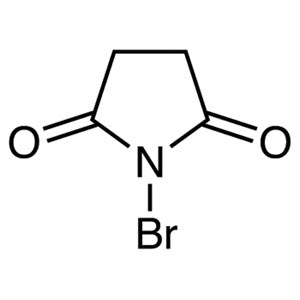
N-Bromosuccinimide TCI B0656
Regular price From Rp 530.250,00Regular priceRp 386.400,00Sale price From Rp 530.250,00 -
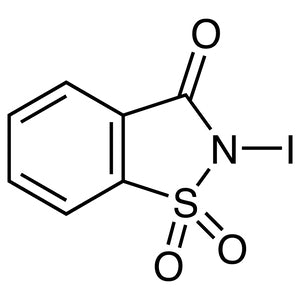
N-Iodosaccharin TCI I0784
Regular price Rp 10.096.800,00Regular priceRp 7.075.950,00Sale price Rp 10.096.800,00 -
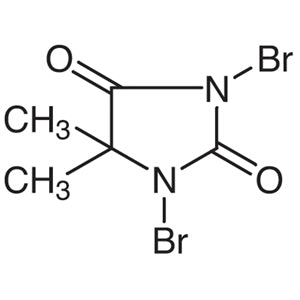
1,3-Dibromo-5,5-dimethylhydantoin TCI D1265
Regular price From Rp 662.550,00Regular priceRp 478.800,00Sale price From Rp 662.550,00 -
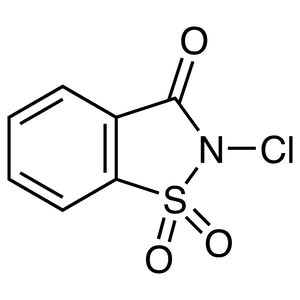
N-Chlorosaccharin TCI C1674
Regular price From Rp 1.881.600,00Regular priceRp 1.331.400,00Sale price From Rp 1.881.600,00 -
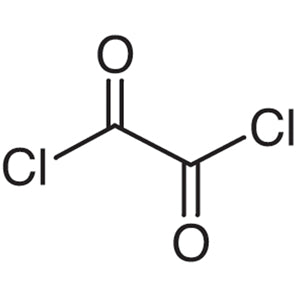
OxalylChloride TCI O0082
Regular price From Rp 1.060.500,00Regular priceRp 757.050,00Sale price From Rp 1.060.500,00 -
Iodine TCI I0604
Regular price From Rp 610.050,00Regular priceRp 442.050,00Sale price From Rp 610.050,00 -
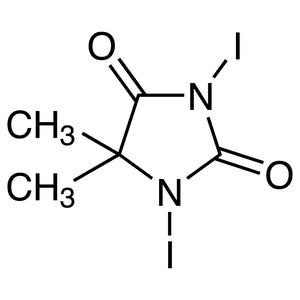
1,3-Diiodo-5,5-dimethylhydantoin TCI D3657
Regular price From Rp 1.988.700,00Regular priceRp 1.405.950,00Sale price From Rp 1.988.700,00