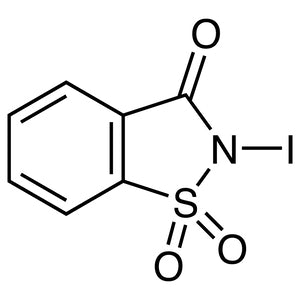
N-Iodosaccharin is a chemical compound widely used in laboratory synthesis and analytical processes. As a synthetic reagent, it plays a crucial role in oxidation and substitution reactions, particularly in the synthesis of complex organic compounds. Its unique molecular structure enables it to react with various substrates, making it a versatile tool in specialized chemical reactions. This compound is commonly found in chemical laboratories that require reactive and specific reagents for their experiments.
The reactivity of N-Iodosaccharin is primarily due to its iodine group, which is highly electron-deficient. This characteristic allows it to participate effectively in substitution and oxidation reactions under specific conditions, such as in basic environments or with organic solvents. Its ability to interact with aromatic and heterocyclic compounds makes it particularly valuable in synthetic chemistry. Additionally, it maintains a certain level of stability under controlled conditions, ensuring its effectiveness in laboratory applications without excessive degradation.
In Indonesian laboratories, N-Iodosaccharin is frequently used in organic chemistry research, especially in the synthesis of complex organic molecules. Its reactivity and specificity make it a preferred choice for researchers working on advanced chemical processes. Due to its unique properties, it is also used in analytical chemistry for its ability to participate in various reaction mechanisms, supporting both qualitative and quantitative studies.
TCI brochures (PDF)
- Halogenation Reagents 2026-04-03 · p. 7
- Oxidizing Agents 2025-06-11 · p. 8
- Organic synthesis applications benefit from N-Iodosaccharin's ability to facilitate substitution and oxidation reactions, making it ideal for creating complex organic compounds.
- Analytical chemistry uses this reagent for its reactivity with aromatic and heterocyclic compounds, supporting both qualitative and quantitative analysis.
- Research in chemical processes relies on N-Iodosaccharin due to its unique molecular structure, enabling it to interact with a wide range of substrates.
- Specialized chemical reactions require reagents with specific reactivity, and N-Iodosaccharin meets these needs due to its electron-deficient iodine group.
- Laboratory experiments involving oxidation reactions benefit from the compound's effectiveness in promoting such chemical transformations under controlled conditions.
| Brand | TCI |
|---|---|
| CAS number | 86340-94-5 |
| Molecular formula | — |
| Purity | — |
| Category | Chemistry > Synthetic Reagents > Oxidation [Synthetic Reagents] |
| Pack sizes | — |
| Physical form | — |
| Storage | Store in a cool, dry place away from light and incompatible materials. |
N-Iodosaccharin should be stored in a cool, dry place, away from direct light and incompatible substances. It is recommended to use airtight containers to prevent moisture absorption and maintain its chemical integrity. Due to its reactivity, it should be handled with care, using appropriate personal protective equipment such as gloves and safety goggles. Storage conditions should avoid exposure to heat and strong oxidizing agents to ensure stability. Laboratory personnel should follow standard safety protocols when handling this compound to minimize risks associated with its reactive nature. Proper labeling and secure storage are essential to prevent accidental exposure and ensure safe laboratory practices.
—
Produk Terkait
-
N-Bromosaccharin TCI B2152
Regular price From Rp 4.240.950,00Regular price -
Iodine TCI I0604
Regular price From Rp 557.550,00Regular price -
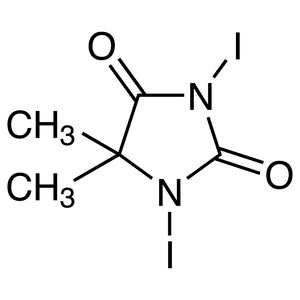
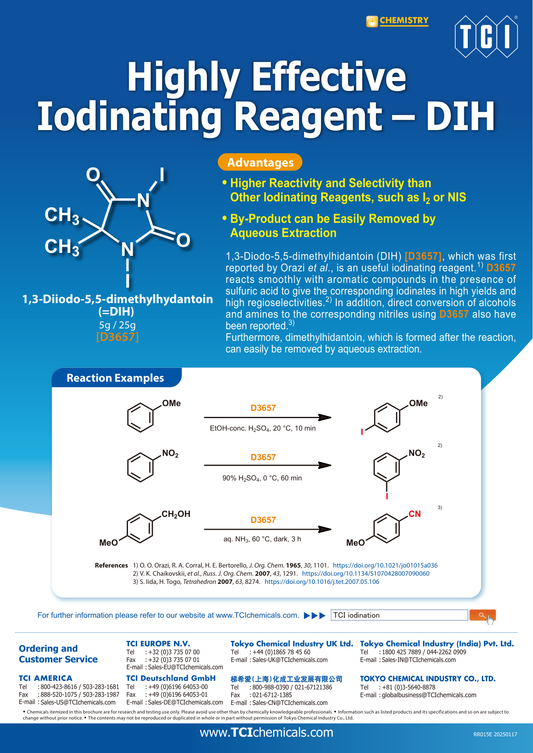
1,3-Diiodo-5,5-dimethylhydantoin TCI D3657
Regular price From Rp 1.936.200,00Regular price -
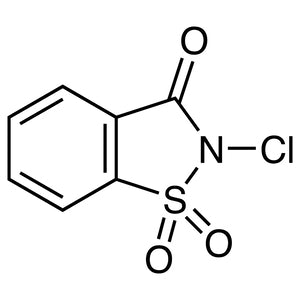
N-Chlorosaccharin TCI C1674
Regular price From Rp 1.829.100,00Regular price -
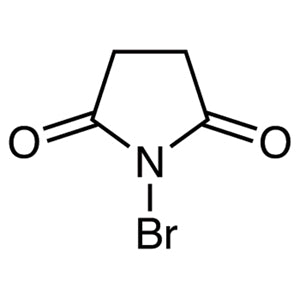
N-Bromosuccinimide TCI B0656
Regular price From Rp 477.750,00Regular price -
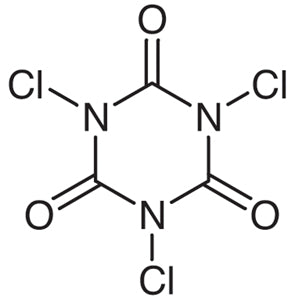
TrichloroisocyanuricAcid TCI T0620
Regular price From Rp 530.250,00Regular price -
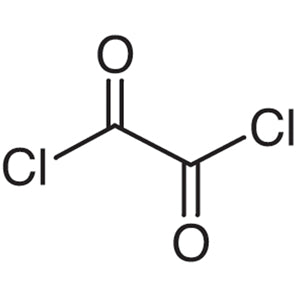
OxalylChloride TCI O0082
Regular price From Rp 1.008.000,00Regular price -
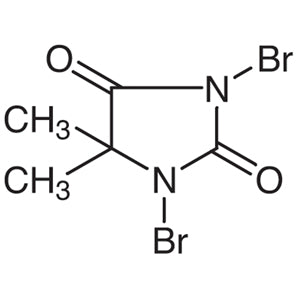
1,3-Dibromo-5,5-dimethylhydantoin TCI D1265
Regular price From Rp 610.050,00Regular price