Trichloroisocyanuric Acid (TCI T0620), with CAS number 87-90-1, is a synthetic reagent widely used in chemical laboratories for its strong oxidizing properties. This compound is a key component in various synthetic reactions, particularly those involving oxidation processes. Its ability to act as a potent oxidizing agent makes it indispensable in organic chemistry, where it is used to modify molecular structures and facilitate oxidation reactions. Due to its reactivity, it is also employed in the degradation of organic compounds and substitution reactions.
The chemical properties of TCI T0620 make it a preferred choice in laboratory settings. It is chemically stable yet highly reactive under different chemical conditions, allowing it to participate in a wide range of reactions. Its high oxidation potential enables it to serve as an effective oxidizing agent in reactions requiring strong oxidants. However, its reactivity also means it must be handled with care to avoid unintended interactions with other reagents. This balance of stability and reactivity makes it a versatile and reliable chemical for synthetic applications.
In Indonesian laboratories, TCI T0620 is commonly used in research and educational institutions. It is frequently found in chemical, pharmaceutical, and industrial laboratories where oxidation reactions are essential. Its widespread use in these contexts highlights its importance in both academic and applied chemical research. The compound’s effectiveness and reliability make it a staple in many laboratory workflows across Indonesia.
TCI brochures (PDF)
- Halogenation Reagents 2026-04-03 · p. 6
- Oxidizing Agents 2025-06-11 · p. 8
- Oxidation Reactions: TCI T0620 is ideal for oxidation reactions due to its strong oxidizing properties, enabling the conversion of organic compounds into more oxidized forms.
- Organic Compound Degradation: This reagent is used to break down complex organic molecules, facilitating the study of molecular structures and reactivity.
- Hydrogen Removal Processes: Its ability to oxidize compounds makes it suitable for hydrogen removal in various synthetic pathways.
- Molecular Structure Modification: TCI T0620 is employed to alter molecular structures through oxidation, which is critical in drug synthesis and material science.
- Substitution Reactions: The reagent’s reactivity allows it to participate in substitution reactions, making it valuable in synthetic organic chemistry.
| Brand | TCI |
|---|---|
| CAS number | 87-90-1 |
| Molecular formula | — |
| Purity | — |
| Category | Chemistry > Synthetic Reagents > Oxidation [Synthetic Reagents] |
| Pack sizes | Available in various sizes as per supplier specifications |
| Physical form | Solid powder |
| Storage | Store in a cool, dry place away from moisture and incompatible materials |
Trichloroisocyanuric Acid should be stored in a cool, dry environment to maintain its chemical stability. It is recommended to use airtight containers to prevent exposure to moisture, which can lead to decomposition. Due to its strong oxidizing nature, it should be kept away from flammable materials and incompatible substances such as reducing agents. Proper labeling and storage in a designated chemical cabinet are essential for safety. Always wear appropriate personal protective equipment when handling this reagent to minimize exposure risks. Regular monitoring of storage conditions ensures the reagent remains effective and safe for use in laboratory applications.
—
Produk Terkait
-
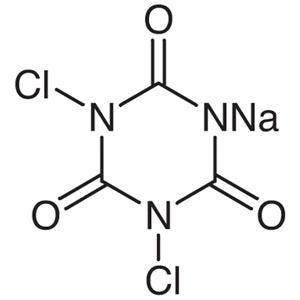
SodiumDichloroisocyanurate TCI D1003
Regular price From Rp 582.750,00Regular priceRp 423.150,00Sale price From Rp 582.750,00 -
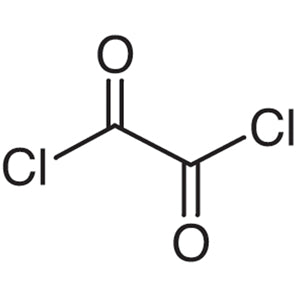
OxalylChloride TCI O0082
Regular price From Rp 1.060.500,00Regular priceRp 757.050,00Sale price From Rp 1.060.500,00 -
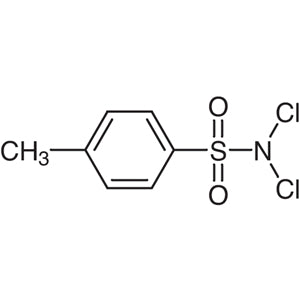
DichloramineT TCI D0318
Regular price From Rp 1.881.600,00Regular priceRp 1.331.400,00Sale price From Rp 1.881.600,00 -
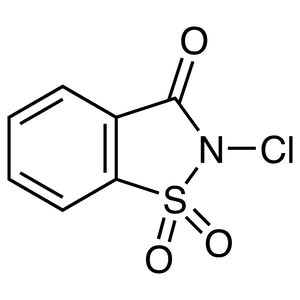
N-Chlorosaccharin TCI C1674
Regular price From Rp 1.881.600,00Regular priceRp 1.331.400,00Sale price From Rp 1.881.600,00 -
N-Chlorosuccinimide TCI C0291
Regular price From Rp 530.250,00Regular priceRp 386.400,00Sale price From Rp 530.250,00 -
ChloramineTTrihydrate TCI C0076
Regular price From Rp 530.250,00Regular priceRp 386.400,00Sale price From Rp 530.250,00 -
ChloramineBHydrate TCI C0075
Regular price From Rp 1.538.250,00Regular priceRp 1.090.950,00Sale price From Rp 1.538.250,00 -
N-Bromosaccharin TCI B2152
Regular price From Rp 4.293.450,00Regular priceRp 3.017.700,00Sale price From Rp 4.293.450,00