Iodine (I₂) is a chemical compound widely used in various laboratory experiments across different scientific disciplines. It is a solid with a deep purple-black color and is highly volatile, making it a versatile reagent in chemical synthesis and analytical procedures. In the laboratory, iodine plays a crucial role as an oxidizing agent, particularly in organic synthesis reactions. Its ability to participate in redox reactions makes it indispensable for both qualitative and quantitative analysis. Due to its reactivity, iodine is often employed in tests for starch identification and in the analysis of carbonate compounds. Its unique chemical properties make it a valuable tool in both educational and research settings.
Iodine is valued for its chemical stability under controlled conditions and its reactivity toward specific compounds such as alcohols and acids. These properties allow it to be an effective reagent in oxidation and reduction reactions. Its low solubility in water necessitates the use of organic solvents for efficient application, which is a common practice in laboratory settings. The compound’s ability to form complexes with certain substances also enhances its utility in analytical chemistry. These characteristics make iodine a preferred choice for a wide range of chemical processes, especially in synthetic and qualitative analysis.
In Indonesian laboratories, iodine is commonly used in educational and research environments to conduct basic experiments. Its availability in solid form and various packaging options makes it convenient for both academic and industrial laboratories. Iodine is essential for experiments involving starch testing, organic synthesis, and qualitative analysis. Its role in laboratory work is fundamental, supporting both teaching and research activities in the chemical sciences.
TCI brochures (PDF)
- Phosphorylating Reagents for the Synthesis of Nucleotide 5'-O-Triphosphates 2025-07-14 · p. 1
- Boronic Acid Esters with Azetidine Moiety 2023-11-28 · p. 1
- Sulfur Dioxide (SO2) Surrogate Reagents Usable for Sulfonation 2026-05-18 · p. 1
- Halogenation Reagents 2026-04-03 · p. 7
- Oxidizing Agents 2025-06-11 · p. 8
- Glycosidation 2026-04-14 · p. 4
Related TCI products
- TCI B3581 1871-22-3 Blue Tetrazolium [for Biochemical Research]
- TCI A5105 61-73-4 Methylene Blue [Ion association reagent for spectrophotometric analysis]
- TCI A5100 2437-29-8 Malachite Green, Oxalate [Sensitive spectrophotometric reagent for PO4]
- TCI A2412 28718-90-3 DAPI 2HCl [for Biochemical Research]
- TCI A0579 1718-34-9 Mordant Orange 1 Monosodium Salt
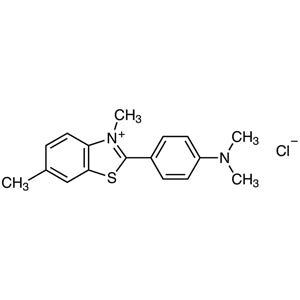
- TCI T0558 2390-54-7 Basic Yellow 1
- Iodine is used in starch identification tests due to its ability to form a blue-black complex with starch, making it ideal for qualitative analysis in educational settings.
- It is widely applied in organic synthesis reactions as an oxidizing agent, particularly in the preparation of aromatic compounds and in redox reactions.
- Iodine is utilized in the analysis of carbonate compounds, where it reacts with carbonates to produce iodide ions, aiding in quantitative analysis.
- It is commonly used in the preparation of iodine solutions for titration and other analytical procedures, offering precision and reliability in laboratory measurements.
- Iodine plays a key role in the detection of reducing sugars, where it reacts with these sugars to produce iodide ions, making it valuable in biochemical experiments.
From the TCI brochure
- Reagent in pyridine, H2O and THF in the step after coupling (scheme)
| Brand | TCI |
|---|---|
| CAS number | 7553-56-2 |
| Molecular formula | — |
| Purity | — |
| Category | Chemistry > Synthetic Reagents > Oxidation [Synthetic Reagents] |
| Pack sizes | Available in various solid forms and packaging options for laboratory use |
| Physical form | Solid with a deep purple-black color |
| Storage | Store in a cool, dry place away from light and incompatible substances |
Iodine should be stored in a cool, dry place away from direct sunlight and sources of heat to prevent decomposition. It is recommended to use airtight containers made of glass or polyethylene to avoid contamination and ensure safety. Due to its volatility, iodine should be kept in a well-ventilated area to minimize exposure. When handling iodine, it is important to wear appropriate personal protective equipment, including gloves and safety goggles, to prevent skin contact and inhalation. Iodine is reactive with certain substances, so it should be stored separately from incompatible materials such as acids and organic solvents. Proper storage and handling are essential to maintain the integrity of the compound and ensure safe laboratory practices.
References cited in the TCI brochure
- Ivo Sarac. Solid‐Phase Synthesis of DNA and RNA 5′‐O‐Triphosphates Using cycloSal Chemistry Current Protocols in Nucleic Acid Chemistry, 2016. doi:10.1002/0471142700.nc0467s64
- Taeho Kang. Multifaceted Substrate–Ligand Interactions Promote the Copper-Catalyzed Hydroboration of Benzylidenecyclobutanes and Related Compounds ACS Catalysis, 2020. doi:10.1021/acscatal.0c03622
Product Categories
Produk Terkait
-
BlueTetrazolium[forBiochemicalResearch] TCI B3581
Regular price From Rp 1.246.350,00Regular price -
MethyleneBlue[Ionassociationreagentforspectrophotometricanalysis] TCI A5105
Regular price Rp 955.500,00Regular price -
MalachiteGreen,Oxalate[SensitivespectrophotometricreagentforPO4] TCI A5100
Regular price Rp 2.332.050,00Regular price -
DAPI2HCl[forBiochemicalResearch] TCI A2412
Regular price Rp 1.590.750,00Regular price -
MordantOrange1MonosodiumSalt TCI A0579
Regular price Rp 1.829.100,00Regular price -
BasicYellow1 TCI T0558
Regular price Rp 2.094.750,00Regular price -
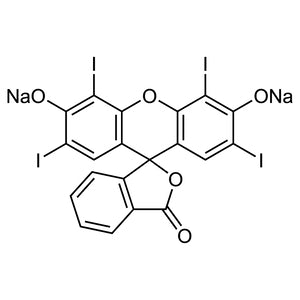
ErythrosineB TCI T0557
Regular price Rp 1.008.000,00Regular price -
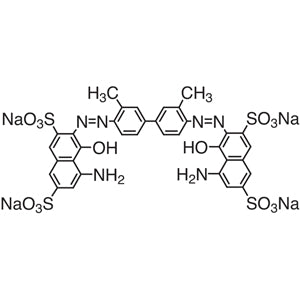
DirectBlue14 TCI T0556
Regular price Rp 1.087.800,00Regular price
![1871-22-3 Blue Tetrazolium [for Biochemical Research] - AMI Scientific](http://amiscientific.com/cdn/shop/files/TCI2510B3581_25792e25-dbc5-4e62-a711-c5f5176b1b02.jpg?v=1767433226&width=533)
![61-73-4 Methylene Blue [Ion association reagent for spectrophotometric analysis] - AMI Scientific](http://amiscientific.com/cdn/shop/files/TCI2510A5105.jpg?v=1767084859&width=533)
![2437-29-8 Malachite Green, Oxalate [Sensitive spectrophotometric reagent for PO4] - AMI Scientific](http://amiscientific.com/cdn/shop/files/TCI2510A5100.jpg?v=1767084843&width=533)
![28718-90-3 DAPI 2HCl [for Biochemical Research] - AMI Scientific](http://amiscientific.com/cdn/shop/files/TCI2510A2412.jpg?v=1767082817&width=533)