N-Bromosuccinimide (NBS) is a chemical compound widely utilized in organic chemistry reactions, particularly in bromination processes. As a key reagent in laboratory settings, it plays a crucial role in the synthesis of bromoalkanes from alkanes and in various bromination reactions. Its unique chemical structure, consisting of a bromo group and a succinimide ring, provides both reactivity and stability under controlled conditions. This makes it an essential tool for chemists working in diverse research areas. NBS is especially valued for its ability to selectively brominate carbon atoms in hydrocarbon chains without significantly altering the molecular structure of the target compound.
The chemical properties of NBS make it a preferred choice in laboratory applications. It exhibits strong reactivity toward organic compounds, particularly those containing hydrocarbon chains. Its dual functionality as both an oxidizing agent and a reactive reagent allows it to participate in a wide range of chemical transformations. This versatility enables researchers to conduct complex reactions with high efficiency and selectivity. Additionally, NBS is known for its ability to accelerate chemical reactions without introducing unwanted side products, which is a significant advantage in synthetic chemistry.
In Indonesian laboratories, NBS is commonly used in organic chemistry research, especially in studies involving bromination and the modification of heterocyclic compounds. It is frequently employed by researchers and students in both educational and scientific experiments. Its availability and effectiveness make it a standard reagent in many chemical laboratories across Indonesia, supporting a wide range of experimental needs.
TCI brochures (PDF)
- Organocatalyst for Electrophilic Halogenation of Aromatic Compounds under Mild Conditions 2022-05-17 · p. 1
- High-Performance Chlorinating Agents and Brominating Agent for Regioselective Halogenation of (Hetero)arenes 2025-03-13 · p. 1
- Halogenation Reagents 2026-04-03 · p. 6
- Oxidizing Agents 2025-06-11 · p. 8
- Glycosidation 2026-04-14 · p. 7
- Reagents for Glyco Chemistry & Biology 5th Edition · p. 131
- Organic synthesis applications benefit from NBS due to its ability to selectively brominate carbon atoms in hydrocarbon chains, enabling the creation of bromoalkane derivatives with high efficiency.
- Bromination of aromatic compounds is effectively achieved using NBS, as it facilitates the introduction of bromine atoms into aromatic rings without significant structural changes.
- Heterocyclic compound modification is enhanced by NBS, which allows for controlled bromination of functional groups in complex ring structures, aiding in the development of new pharmaceuticals.
- Oxidation reactions in organic chemistry are supported by NBS, which acts as a mild oxidizing agent, promoting selective oxidation of specific functional groups.
- Educational experiments in chemistry benefit from NBS, as it is a reliable and effective reagent for demonstrating bromination reactions and organic synthesis techniques.
| Brand | TCI |
|---|---|
| CAS number | 128-08-5 |
| Molecular formula | — |
| Purity | — |
| Category | Chemistry > Chemical Biology > Glycoscience |
| Pack sizes | Available in various quantities as per standard laboratory supply |
| Physical form | Solid powder |
| Storage | Store in a cool, dry place away from moisture and direct sunlight |
N-Bromosuccinimide should be stored in a cool, dry environment to maintain its chemical stability and prevent degradation. It is recommended to keep it in airtight containers to minimize exposure to moisture and air, which can affect its reactivity. Due to its reactive nature, NBS should be handled with care, using appropriate personal protective equipment such as gloves and safety goggles. It is important to ensure that the storage area is well-ventilated to avoid the accumulation of any potentially harmful vapors. Avoid storing NBS near incompatible substances such as strong bases or reducing agents. Regular inspection of storage conditions and containers is advised to ensure long-term safety and effectiveness in laboratory use.
—
Product Categories
Produk Terkait
-
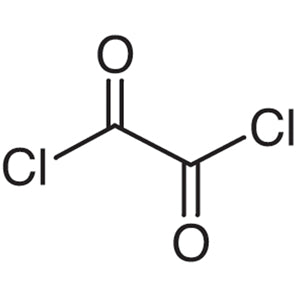
OxalylChloride TCI O0082
Regular price From Rp 1.060.500,00Regular priceRp 757.050,00Sale price From Rp 1.060.500,00 -
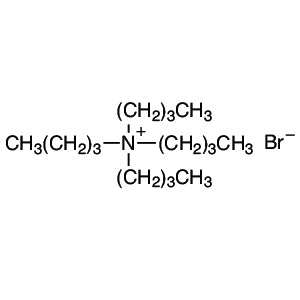
TetrabutylammoniumBromide TCI T0054
Regular price From Rp 557.550,00Regular priceRp 405.300,00Sale price From Rp 557.550,00 -
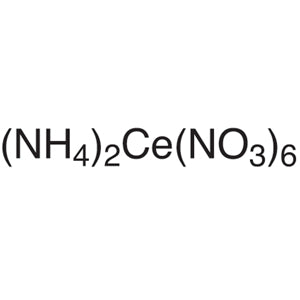
AmmoniumCerium(IV)Nitrate TCI C1806
Regular price From Rp 903.000,00Regular priceRp 631.050,00Sale price From Rp 903.000,00 -
N-SuccinimidylD-Biotinate TCI S0491
Regular price From Rp 2.013.900,00Regular priceRp 1.423.800,00Sale price From Rp 2.013.900,00 -
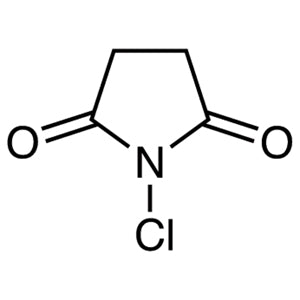
N-Chlorosuccinimide TCI C0291
Regular price From Rp 530.250,00Regular priceRp 386.400,00Sale price From Rp 530.250,00