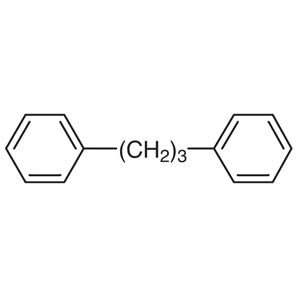
1,3-Diphenylpropane is a chemical compound widely used in organic reactions as a foundational building block in laboratory settings. This compound serves as a versatile intermediate in the synthesis of more complex molecules, particularly in organic chemistry and pharmaceutical research. Its molecular structure consists of a propane chain with phenyl groups attached at the first and third carbon positions, making it a key component in the development of new compounds and molecular modifications. Due to its structural simplicity and predictable reactivity, it is a preferred choice for researchers aiming to explore chemical transformations and functional group manipulations.
The compound is known for its relatively stable chemical properties, which allow it to maintain its integrity under various reaction conditions. Its stability, combined with the ability to undergo controlled reactions under specific conditions such as elevated temperatures or catalytic environments, makes it a reliable material for synthetic processes. Additionally, its high boiling and melting points facilitate efficient separation and isolation techniques commonly used in laboratory procedures. These characteristics ensure that it remains a valuable resource in chemical synthesis and analytical studies.
In Indonesian laboratories, 1,3-Diphenylpropane is commonly used in organic chemistry research, particularly in the development of new compounds and the study of molecular structures. Its predictable behavior and ease of handling make it an essential tool for both academic and industrial research. Its use is widespread in laboratories focused on drug discovery and chemical synthesis, where precise control over molecular structures is critical. The compound's reliability and availability contribute to its consistent application in these scientific fields.
Related TCI products
- Organic synthesis applications benefit from 1,3-Diphenylpropane due to its stable structure and predictable reactivity, enabling the creation of complex molecules with controlled modifications.
- Pharmaceutical research utilizes this compound as a building block for the development of new drugs, allowing for the design of molecules with specific functional groups and properties.
- Chemical characterization studies rely on 1,3-Diphenylpropane for its well-defined physical and chemical properties, facilitating accurate analysis and identification in various experimental setups.
- Industrial chemical processes incorporate this compound for its versatility in creating derivatives used in a wide range of applications, from materials science to polymer chemistry.
- Analytical chemistry experiments use 1,3-Diphenylpropane as a reference standard due to its consistent behavior and ease of measurement, ensuring reliable results in qualitative and quantitative analyses.
| Brand | TCI |
|---|---|
| CAS number | 1081-75-0 |
| Molecular formula | — |
| Purity | — |
| Category | Chemistry > Building Blocks > Non-Heterocyclic Building Blocks |
| Pack sizes | Available in various quantities as per supplier specifications |
| Physical form | Solid |
| Storage | Store in a cool, dry place away from direct sunlight and moisture |
1,3-Diphenylpropane should be stored in a cool, dry environment to maintain its chemical stability and prevent degradation. It is recommended to keep the compound in a sealed container to minimize exposure to air and moisture, which could affect its integrity. Suitable containers for storage include glass or high-density polyethylene (HDPE) vessels that are resistant to chemical reactions. In laboratory settings, it is important to handle the compound with appropriate personal protective equipment (PPE) such as gloves and safety goggles to ensure safety. Additionally, it should be stored away from incompatible materials to avoid any potential chemical interactions. Proper labeling and storage conditions help maintain the compound's quality and ensure safe handling during experiments.
—
Produk Terkait
-
1,3-Diphenylpropan-1-ol TCI P3003
Regular price From Rp 3.658.200,00Regular price -
2-Methyl-3-phenylpropan-1-ol TCI M3853
Regular price From Rp 1.618.050,00Regular price -
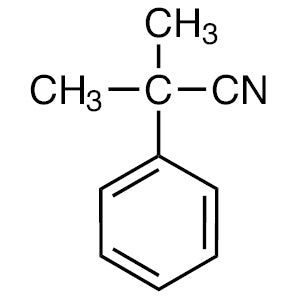
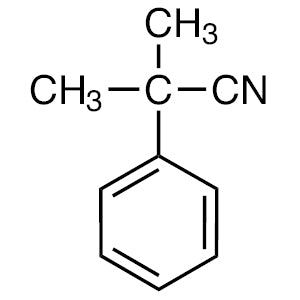
2-Methyl-2-phenylpropanenitrile TCI M3308
Regular price From Rp 1.881.600,00Regular price -
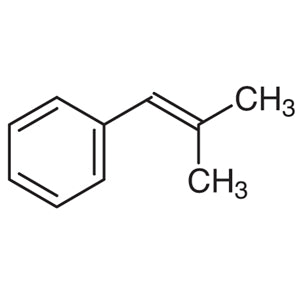
2-Methyl-1-phenylpropene TCI M1015
Regular price From Rp 1.776.600,00Regular price -
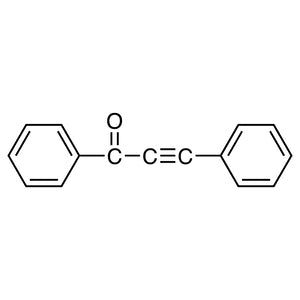
1,3-Diphenylprop-2-yn-1-one TCI D6145
Regular price Rp 6.042.750,00Regular price -
2,2-Dimethyl-1-phenylpropan-1-one TCI D6091
Regular price Rp 2.386.650,00Regular price -
N,N'-(Hexane-1,6-diyl)bis(3-phenylprop-2-en-1-imine) TCI D5989
Regular price Rp 1.936.200,00Regular price -
3-(4-Bromophenyl)-1-phenylprop-2-en-1-one TCI B6397
Regular price Rp 4.929.750,00Regular price