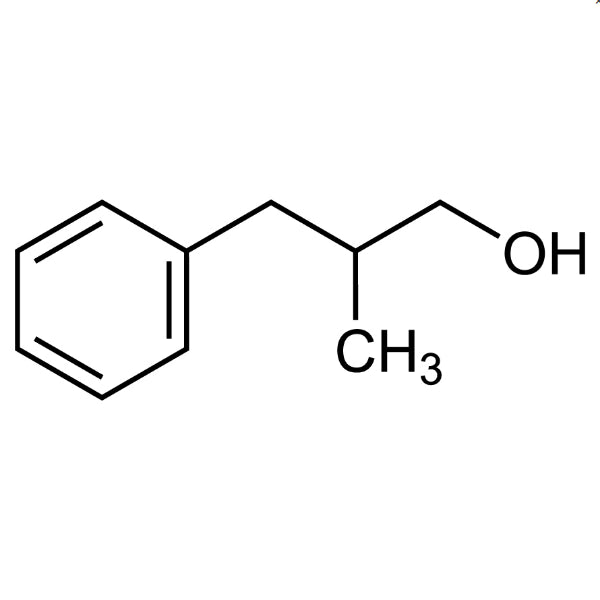
2-Methyl-3-phenylpropan-1-ol is an organic compound widely utilized in chemical synthesis to produce a variety of complex compounds. As a fundamental building block in chemistry, it plays a crucial role in the development of pharmaceuticals, industrial chemicals, and scientific research. This compound is frequently employed in laboratory settings as a precursor for synthesizing high-reactivity compounds with intricate molecular structures. Its presence is essential in various chemical reactions, particularly those involving aromatic compounds and alcohols. Due to its versatility and reactivity, it remains a key component in synthetic pathways.
The compound's molecular structure and reactivity make it a preferred choice for laboratory applications. It exhibits favorable chemical properties that allow it to participate in substitution and oxidation reactions. Its stable yet flexible molecular framework enables it to be used across a range of reaction conditions, including both polar and non-polar solvents. These characteristics make it a reliable and adaptable material for diverse chemical processes. Its compatibility with various reaction environments enhances its utility in both academic and industrial research.
In Indonesian laboratories, 2-Methyl-3-phenylpropan-1-ol is commonly used in chemical research, especially in organic synthesis and analytical chemistry. It supports the development of new compounds and the study of molecular behavior. Its role in laboratory experiments is vital for advancing scientific knowledge and innovation. This compound is an essential tool for researchers working in the fields of chemistry and related disciplines.
Related TCI products
- Organic synthesis is a primary application where this compound serves as a key intermediate for creating complex molecules with high reactivity.
- Analytical chemistry benefits from its use in identifying and characterizing aromatic and alcohol-based compounds through various spectroscopic techniques.
- Pharmaceutical research utilizes this compound as a building block for developing new drug molecules with specific therapeutic properties.
- Industrial chemical production relies on its stability and reactivity to synthesize a wide range of chemical products.
- Academic research employs this compound to explore molecular structures and reaction mechanisms in both theoretical and experimental studies.
| Brand | TCI |
|---|---|
| CAS number | 7384-80-7 |
| Molecular formula | — |
| Purity | — |
| Category | Chemistry > Building Blocks > Non-Heterocyclic Building Blocks |
| Pack sizes | Available in various quantities as per supplier specifications |
| Physical form | Liquid |
| Storage | Store in a cool, dry place away from direct sunlight |
This compound should be stored in a cool, dry environment, away from direct sunlight and sources of heat. It is recommended to use airtight containers made of glass or polyethylene to prevent contamination and evaporation. Due to its chemical nature, it should be handled with appropriate personal protective equipment, including gloves and safety goggles. Avoid exposure to incompatible materials such as strong oxidizing agents. Ensure proper ventilation in the workspace to minimize inhalation risks. Regular monitoring of storage conditions is essential to maintain the compound's integrity and ensure safe laboratory practices.
—
Produk Terkait
-
1,3-Diphenylpropan-1-ol TCI P3003
Regular price From Rp 3.658.200,00Regular price -
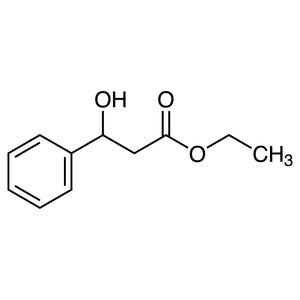
Ethyl3-Hydroxy-3-phenylpropanoate TCI E1490
Regular price From Rp 1.087.800,00Regular price -
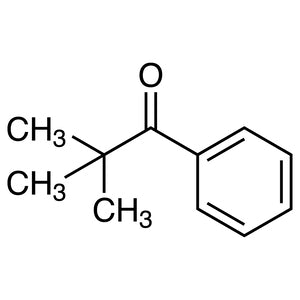
2,2-Dimethyl-1-phenylpropan-1-one TCI D6091
Regular price Rp 2.386.650,00Regular price -
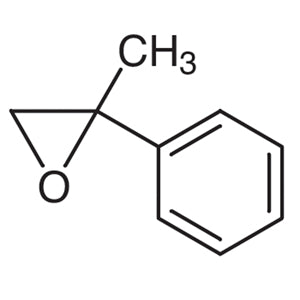
2-PhenylpropyleneOxide TCI P0833
Regular price Rp 10.494.750,00Regular price -
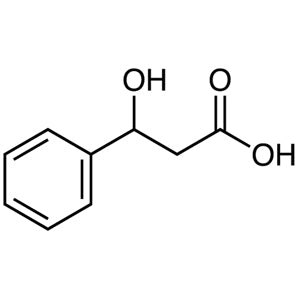
3-Hydroxy-3-phenylpropionicAcid TCI H1394
Regular price From Rp 980.700,00Regular price -
N-Phenylpropanamide TCI P3132
Regular price From Rp 2.730.000,00Regular price -
2-Methyl-3-phenylpropanal TCI M3635
Regular price Rp 2.359.350,00Regular price -
Methyl3-Oxo-3-phenylpropanoate TCI M3475
Regular price Rp 3.922.800,00Regular price