4,5-Dimethyl-1,3-dioxol-2-one is a chemical compound widely used as a building block in the synthesis of complex organic molecules. It plays a crucial role in laboratory settings where researchers aim to construct intricate molecular structures through various chemical reactions. This compound is particularly valuable in reactions involving carbon-carbon bond formation and the development of heterocyclic structures. Its versatility makes it an essential tool for organic chemists working on diverse synthetic pathways.
The compound is favored for its chemical stability and controlled reactivity, which allow for predictable and manageable synthetic processes. Its molecular structure, featuring two methyl groups and a cyclic framework, enables it to participate in substitution reactions and the formation of new bonds. These characteristics make it a reliable and adaptable reagent for a wide range of chemical applications. Additionally, its predictable chemical behavior simplifies the design and execution of complex synthetic strategies.
In Indonesian laboratories, 4,5-Dimethyl-1,3-dioxol-2-one is commonly used in organic chemistry research, including the development of pharmaceutical compounds, polymers, and industrial chemicals. Its stability and broad applicability make it a preferred choice for researchers seeking a reliable and efficient building block for synthetic processes. The compound supports both academic and industrial research, contributing to the advancement of chemical science in the region.
Related TCI products
- TCI C1882 80841-78-7 4-Chloromethyl-5-methyl-1,3-dioxol-2-one
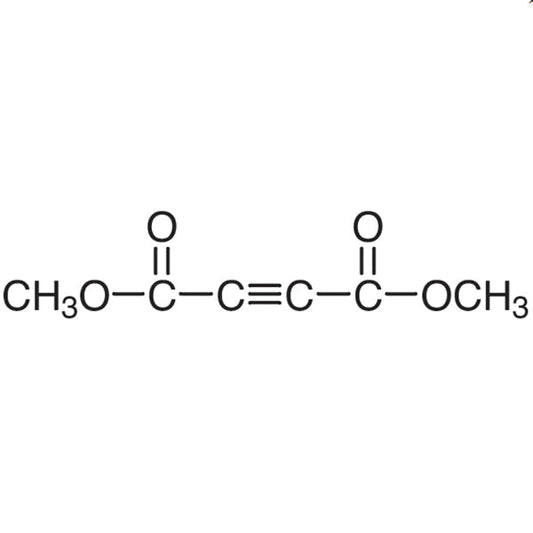
- TCI A0090 762-42-5 Dimethyl Acetylenedicarboxylate
- TCI A0056 1830-54-2 Dimethyl 1,3-Acetonedicarboxylate
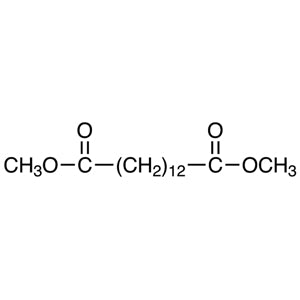
- TCI T1726 5024-21-5 Dimethyl Tetradecanedioate
- TCI B1490 5469-26-1 1-Bromo-3,3-dimethyl-2-butanone
- TCI B1309 792-74-5 Dimethyl 4,4'-Biphenyldicarboxylate
- Organic synthesis of complex pharmaceutical compounds due to its ability to form stable carbon-carbon bonds and cyclic structures.
- Development of polymer materials as a versatile building block for creating new chemical structures with desired properties.
- Industrial chemical production where controlled reactivity and predictable behavior are essential for large-scale synthesis.
- Research in heterocyclic chemistry due to its cyclic framework and capacity for substitution reactions.
- Academic studies in chemical engineering and materials science for exploring new synthetic methodologies and applications.
| Brand | TCI |
|---|---|
| CAS number | 37830-90-3 |
| Molecular formula | — |
| Purity | — |
| Category | Chemistry > Building Blocks > Non-Heterocyclic Building Blocks |
| Pack sizes | Available in standard laboratory quantities as per supplier specifications |
| Physical form | Liquid or crystalline, depending on purity and storage conditions |
| Storage | Store in a cool, dry place away from direct sunlight and moisture |
This compound should be stored in a cool, dry environment to maintain its chemical stability. It is recommended to keep it in a sealed container to prevent exposure to moisture and air, which could affect its reactivity. Suitable storage containers include glass or high-density polyethylene bottles with tight-fitting lids. In laboratory settings, it should be handled with appropriate personal protective equipment, such as gloves and safety goggles, to ensure safe handling. Avoid contact with incompatible materials and ensure proper ventilation when working with this compound. Regular monitoring of storage conditions is advised to maintain its integrity and effectiveness for research applications.
—
Produk Terkait
-
4-Chloromethyl-5-methyl-1,3-dioxol-2-one TCI C1882
Regular price From Rp 1.087.800,00Regular price -
DimethylAcetylenedicarboxylate TCI A0090
Regular price From Rp 2.041.200,00Regular price -
Dimethyl1,3-Acetonedicarboxylate TCI A0056
Regular price From Rp 1.298.850,00Regular price -
DimethylTetradecanedioate TCI T1726
Regular price From Rp 2.411.850,00Regular price -
1-Bromo-3,3-dimethyl-2-butanone TCI B1490
Regular price From Rp 2.094.750,00Regular price -
Dimethyl4,4'-Biphenyldicarboxylate TCI B1309
Regular price From Rp 875.700,00Regular price -
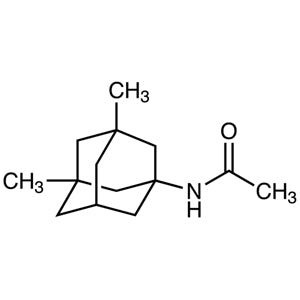
N-Acetyl-3,5-dimethyl-1-adamantanamine TCI A2653
Regular price Rp 3.949.050,00Regular price -
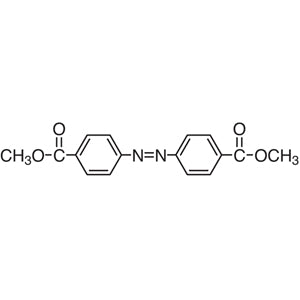
DimethylAzobenzene-4,4'-dicarboxylate TCI A1581
Regular price From Rp 2.571.450,00Regular price