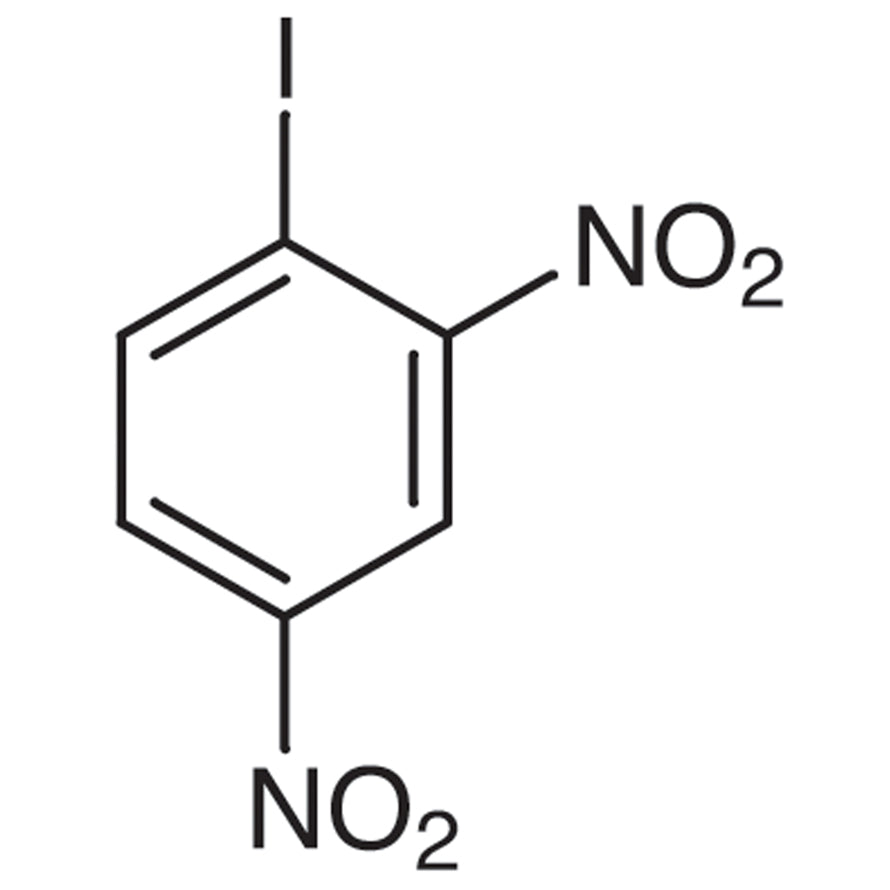
2,4-Dinitroiodobenzene is a chemical compound widely used as a foundational reagent in organic chemistry laboratories. It serves as a key building block in the synthesis of complex organic molecules, particularly in electrophilic substitution reactions. Its aromatic structure, combined with the presence of nitro and iodine groups at positions 2 and 4, makes it highly versatile for various chemical transformations. This compound is essential for researchers aiming to develop new synthetic pathways or modify existing molecular structures.
The compound’s high reactivity is due to the strong electron-withdrawing nature of the nitro groups, which enhance its ability to participate in a wide range of chemical reactions. This reactivity makes it a preferred choice for applications requiring high chemical activity, such as coupling reactions and functional group modifications. Its stability under controlled conditions further ensures reliability in laboratory settings, allowing for consistent results in synthetic processes.
In Indonesian laboratories, 2,4-Dinitroiodobenzene is commonly used in organic chemistry research at educational institutions and research centers. Its availability and competitive pricing make it a go-to reagent for both academic and industrial applications. The compound’s role in enabling complex syntheses supports the advancement of chemical research in the region.
Related TCI products
- Organic synthesis applications benefit from its reactivity and structural versatility, enabling the creation of complex molecules.
- Electrophilic substitution reactions utilize its aromatic structure and electron-deficient nature for efficient chemical transformations.
- Functional group modification processes rely on its ability to react with amines, alcohols, and other electron-rich substrates.
- Research in medicinal chemistry often employs it to develop new drug compounds through targeted chemical modifications.
- Analytical chemistry uses it as a reference standard for spectroscopic and chromatographic analysis due to its well-defined chemical properties.
| Brand | TCI |
|---|---|
| CAS number | 709-49-9 |
| Molecular formula | — |
| Purity | — |
| Category | Chemistry > Building Blocks > Non-Heterocyclic Building Blocks |
| Pack sizes | Available in various quantities as per standard laboratory requirements |
| Physical form | Solid |
| Storage | Store in a cool, dry place away from light and incompatible materials |
This compound should be stored in a cool, dry environment, away from direct sunlight and sources of heat. It is recommended to keep it in a sealed container to prevent moisture absorption and contamination. Due to its reactivity, it should be handled in a well-ventilated area, preferably under a fume hood, to minimize exposure. Avoid contact with incompatible substances such as strong bases or reducing agents. Proper personal protective equipment, including gloves and safety goggles, should always be worn when handling this material. Regular monitoring of storage conditions ensures the compound remains stable and safe for use in laboratory settings.
—
Produk Terkait
-
2-IodobenzenesulfonylChloride TCI I0811
Regular price From Rp 4.506.600,00Regular price -
1-Benzyloxy-4-iodobenzene TCI B4692
Regular price From Rp 3.551.100,00Regular price -
1-Benzyloxy-3-iodobenzene TCI B4689
Regular price Rp 2.597.700,00Regular price -
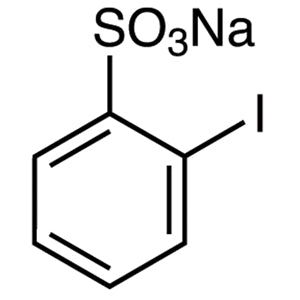
Sodium2-Iodobenzenesulfonate TCI S0848
Regular price From Rp 3.100.650,00Regular price -
4-IodobenzenesulfonylChloride TCI I0051
Regular price From Rp 1.961.400,00Regular price -
5-Bromo-2-iodobenzonitrile TCI B2215
Regular price Rp 743.400,00Regular price -
4-Amino-3-iodobenzonitrile TCI A2747
Regular price From Rp 743.400,00Regular price -
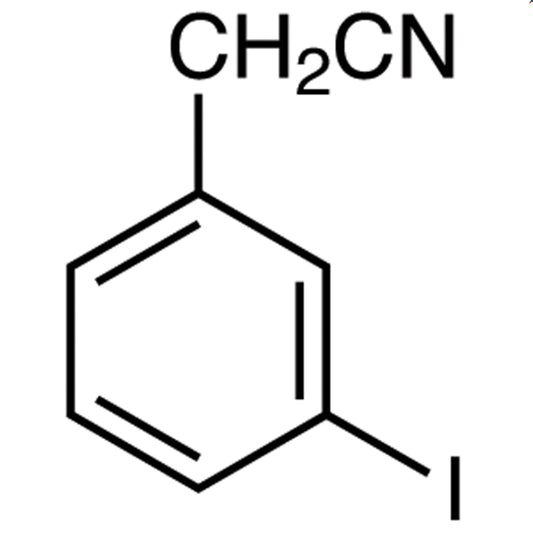
3-IodobenzylCyanide TCI I1002
Regular price From Rp 1.856.400,00Regular price