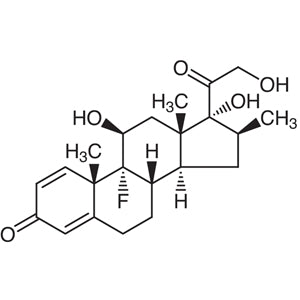
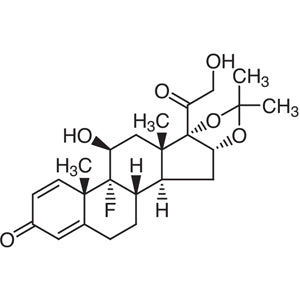
Dexamethasone is a synthetic corticosteroid widely used in biomedical and pharmacological research. As a derivative of glucocorticoids, it plays a crucial role in modulating immune responses and metabolic processes within laboratory settings. This compound is particularly valuable in organoid culture studies, where it supports the development and maintenance of human or animal tissue models. Its ability to influence cellular differentiation and create optimal culture environments makes it an essential tool for researchers working with complex biological systems.
Dexamethasone is preferred due to its potent anti-inflammatory properties and its capacity to suppress immune responses. These characteristics make it ideal for applications requiring the reduction of inflammation or the inhibition of T-cell activity. Its stability under certain conditions and ease of storage further enhance its utility across various research scales. The compound's versatility allows it to be used in a wide range of experimental designs, from disease modeling to drug testing, making it a staple in modern laboratory practices.
In Indonesian laboratories, Dexamethasone is commonly used in research related to autoimmune diseases, cancer, and inflammatory conditions. Its role in developing disease models and testing therapeutic effects has made it a key component in both academic and industrial research. The compound's reliability and consistent performance ensure that it remains a trusted reagent for scientists working in diverse fields of life sciences.
TCI brochures (PDF)
- Xylem Differentiation-Inducing Polyamine Xylemin 2024-11-15 · p. 2
- Bone Metabolism Research Reagents 2026-04-21 · p. 2
- Organoid Research Reagents 2025-09-11 · p. 8
- Regenerative Medicine Research Reagents 2016-03-18 · p. 1
- Anti-Rheumatoid Arthritis Ingredients 2025-01-29 · p. 1
- Steroids 2026-07-28 · p. 5
- Organoid Culture: Dexamethasone supports the development and maintenance of human and animal organoids by modulating cellular differentiation and creating optimal culture environments.
- Disease Modeling: Its anti-inflammatory properties make it suitable for creating in vitro models of inflammatory and autoimmune diseases for research and drug development.
- Immunomodulation Studies: The compound's ability to suppress immune responses is ideal for experiments involving T-cell inhibition and immune system modulation.
- Drug Efficacy Testing: Dexamethasone is used to assess the effects of pharmaceutical compounds in controlled environments, particularly in inflammation-related conditions.
- Tissue Engineering: It aids in the cultivation of engineered tissues by influencing cellular behavior and promoting the formation of functional tissue structures.
From the TCI brochure
- Niche factor for hepatocyte differentiation (Table 1)
| Brand | TCI |
|---|---|
| CAS number | 50-02-2 |
| Molecular formula | — |
| Purity | — |
| Category | Life Science > Cell Culture > Organoid Culture |
| Pack sizes | Available in various quantities as per standard laboratory supply options |
| Physical form | Solid powder |
| Storage | Store at controlled room temperature, away from moisture and light |
Dexamethasone should be stored in a cool, dry place away from direct sunlight and moisture to maintain its stability and potency. It is recommended to use airtight containers to prevent contamination and degradation. In laboratory settings, it should be handled with appropriate personal protective equipment, such as gloves and safety goggles, to ensure safety during preparation and use. Proper labeling of containers is essential for traceability and safe handling. Due to its chemical nature, it should be kept out of reach of children and stored in a secure location. Regular monitoring of storage conditions ensures the compound remains effective for research applications.
—
Product Categories
- Cell CultureOrganoid CultureSmall Molecule Activators [Organoid Culture]
- Biochemicals and ReagentsPharmaceutical Research Reagents (for Experimental Use)Antitumor Research Reagents (for Experimental Use)
- Biochemicals and ReagentsPharmaceutical Research Reagents (for Experimental Use)Anti-inflammatory Ingredients (for Research and Experimental Use)
- Biochemicals and ReagentsPharmaceutical Research Reagents (for Experimental Use)Anti-rheumatoid Arthritis Ingredients (for Research and Experimental Use)
- Biochemicals and Reagents
- Biochemicals and ReagentsSteroidsPregnanes (Corticoids) [Steroids]
- Cell BiologyCancer ResearchChemopreventive Agents [Cancer Research]
- Cell BiologyCell Signaling and NeuroscienceCytokines, Growth Factors and Hormones
- Cell BiologyImmune System, Inflammation, Allergy ResearchAdrenocortical Hormones
- Cell BiologyStem Cell BiologyRegenerative Medicine Research Reagents
- Cell BiologyBone Metabolism ResearchGlucocorticoids [Bone Metabolism Research]
- Molecular BiologyRegenerative Medicine Research Reagents
- Pharmaceutical Development and Drug Discovery ResearchPharmaceutical Research Reagents (for Experimental Use)Antitumor Research Reagents (for Experimental Use)
- Pharmaceutical Development and Drug Discovery ResearchPharmaceutical Research Reagents (for Experimental Use)Anti-inflammatory Ingredients (for Research and Experimental Use)
- Pharmaceutical Development and Drug Discovery ResearchPharmaceutical Research Reagents (for Experimental Use)Anti-rheumatoid Arthritis Ingredients (for Research and Experimental Use)
Produk Terkait
-
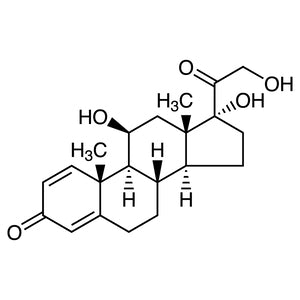
Prednisolone TCI P0637
Regular price From Rp 1.431.150,00Regular priceRp 1.016.400,00Sale price From Rp 1.431.150,00 -
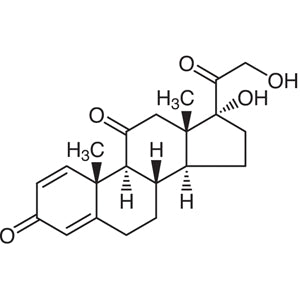
Prednisone TCI P1276
Regular price From Rp 1.643.250,00Regular priceRp 1.164.450,00Sale price From Rp 1.643.250,00 -
Hydrocortisone TCI H0533
Regular price From Rp 822.150,00Regular priceRp 590.100,00Sale price From Rp 822.150,00 -
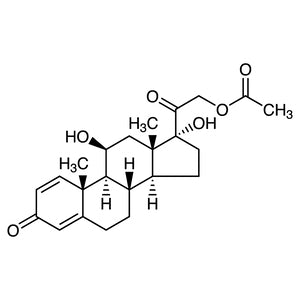
PrednisoloneAcetate TCI P1283
Regular price Rp 4.266.150,00Regular priceRp 2.998.800,00Sale price Rp 4.266.150,00 -
Betamethasone TCI B1837
Regular price From Rp 1.405.950,00Regular priceRp 998.550,00Sale price From Rp 1.405.950,00 -
Budesonide TCI B3909
Regular price From Rp 2.252.250,00Regular priceRp 1.590.750,00Sale price From Rp 2.252.250,00 -
TriamcinoloneAcetonide TCI T2308
Regular price From Rp 1.431.150,00Regular priceRp 1.016.400,00Sale price From Rp 1.431.150,00 -
Triamcinolone TCI T2303
Regular price Rp 3.815.700,00Regular priceRp 2.683.800,00Sale price Rp 3.815.700,00