


2,3-Dihydro-2,2-dimethyl-7-hydroxybenzofuran is a chemical compound widely used in laboratory settings for the synthesis of heterocyclic compounds. As a building block in organic chemistry, it plays a crucial role in constructing complex molecular structures. This compound is particularly valuable for researchers working in pharmaceutical and industrial chemistry due to its unique chemical structure and reactivity. Its presence in various chemical reactions makes it a versatile tool for developing new compounds with potential biological activities.
The compound's stability, solubility in organic solvents, and high reactivity make it a preferred choice for synthetic chemists. Its aromatic structure ensures it remains chemically stable under various reaction conditions, while its solubility allows for efficient use in different experimental setups. Additionally, its ability to participate in substitution and cyclic reactions enhances its utility in laboratory applications. These properties contribute to its popularity in both academic and industrial research environments.
In Indonesian laboratories, 2,3-Dihydro-2,2-dimethyl-7-hydroxybenzofuran is commonly used in organic chemistry research, especially in pharmaceutical and chemical industries. It is a key component in the development of new drugs and chemical products. Its ease of handling and favorable chemical properties make it a go-to material for researchers aiming to explore new synthetic pathways and biological activities.
Related TCI products
- TCI A1317 43071-52-9 2-Acetyl-7-methoxybenzofuran
- TCI A2618 137281-39-1 4-[2-(2-Amino-4,7-dihydro-4-oxo-3H-pyrrolo[2,3-d]pyrimidin-5-yl)ethyl]benzoic Acid
- TCI B1512 7426-75-7 1,4-Bis(4,5-dihydro-2-oxazolyl)benzene
- TCI B1511 34052-90-9 1,3-Bis(4,5-dihydro-2-oxazolyl)benzene
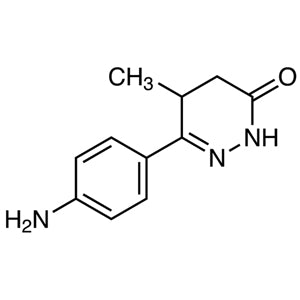
- TCI A2919 36725-28-7 6-(4-Aminophenyl)-4,5-dihydro-5-methyl-3(2H)-pyridazinone
- TCI M3833 3414-94-6 5-Phenyl-2,4-dihydro-3H-1,2,4-triazole-3-thione
- Organic synthesis applications benefit from this compound’s reactivity and stability, enabling the creation of complex heterocyclic structures.
- Pharmaceutical research utilizes it for the development of new drug compounds due to its potential biological activity and structural versatility.
- Industrial chemical production relies on its solubility and chemical stability for efficient synthesis processes and product development.
- Academic research in chemistry uses it as a building block for exploring new synthetic methods and molecular transformations.
- Drug discovery projects incorporate it to design and test compounds with specific therapeutic properties and molecular frameworks.
| Brand | TCI |
|---|---|
| CAS number | 1563-38-8 |
| Molecular formula | — |
| Purity | — |
| Category | Chemistry > Building Blocks > Heterocyclic Building Blocks |
| Pack sizes | Available in standard laboratory quantities |
| Physical form | Solid |
| Storage | Store in a cool, dry place away from light |
This compound should be stored in a cool, dry place, away from direct light and sources of heat. It is recommended to use airtight containers to prevent exposure to moisture and air, which could affect its chemical stability. Due to its reactivity, it should be handled in a well-ventilated area, and appropriate personal protective equipment should be worn when working with it. It is not classified as hazardous under standard laboratory conditions, but standard safety protocols should still be followed to ensure safe handling and storage. Proper labeling of containers is essential to prevent accidental misuse and ensure safe access in laboratory environments.
—
Product Categories
Produk Terkait
-
2-Acetyl-7-methoxybenzofuran TCI A1317
Regular price Rp 4.902.450,00Regular price -
4-[2-(2-Amino-4,7-dihydro-4-oxo-3H-pyrrolo[2,3-d]pyrimidin-5-yl)ethyl]benzoicAcid TCI A2618
Regular price From Rp 928.200,00Regular price -
1,4-Bis(4,5-dihydro-2-oxazolyl)benzene TCI B1512
Regular price Rp 2.518.950,00Regular price -
1,3-Bis(4,5-dihydro-2-oxazolyl)benzene TCI B1511
Regular price From Rp 903.000,00Regular price -
6-(4-Aminophenyl)-4,5-dihydro-5-methyl-3(2H)-pyridazinone TCI A2919
Regular price Rp 1.670.550,00Regular price -
5-Phenyl-2,4-dihydro-3H-1,2,4-triazole-3-thione TCI M3833
Regular price From Rp 1.167.600,00Regular price -
3-(3-Methyl-5-oxo-4,5-dihydro-1H-pyrazol-1-yl)benzenesulfonicAcid TCI M2710
Regular price From Rp 477.750,00Regular price -
9-Methyl-3,4-dihydro-2H-pyrido[1,2-a]pyrimidin-2-one TCI M0670
Regular price Rp 2.386.650,00Regular price

![137281-39-1 4-[2-(2-Amino-4,7-dihydro-4-oxo-3H-pyrrolo[2,3-d]pyrimidin-5-yl)ethyl]benzoic Acid - AMI Scientific](http://amiscientific.com/cdn/shop/files/TCI2510A2618.jpg?v=1767083121&width=533)




![61751-44-8 9-Methyl-3,4-dihydro-2H-pyrido[1,2-a]pyrimidin-2-one - AMI Scientific](http://amiscientific.com/cdn/shop/files/TCI2510M0670.jpg?v=1767123458&width=533)