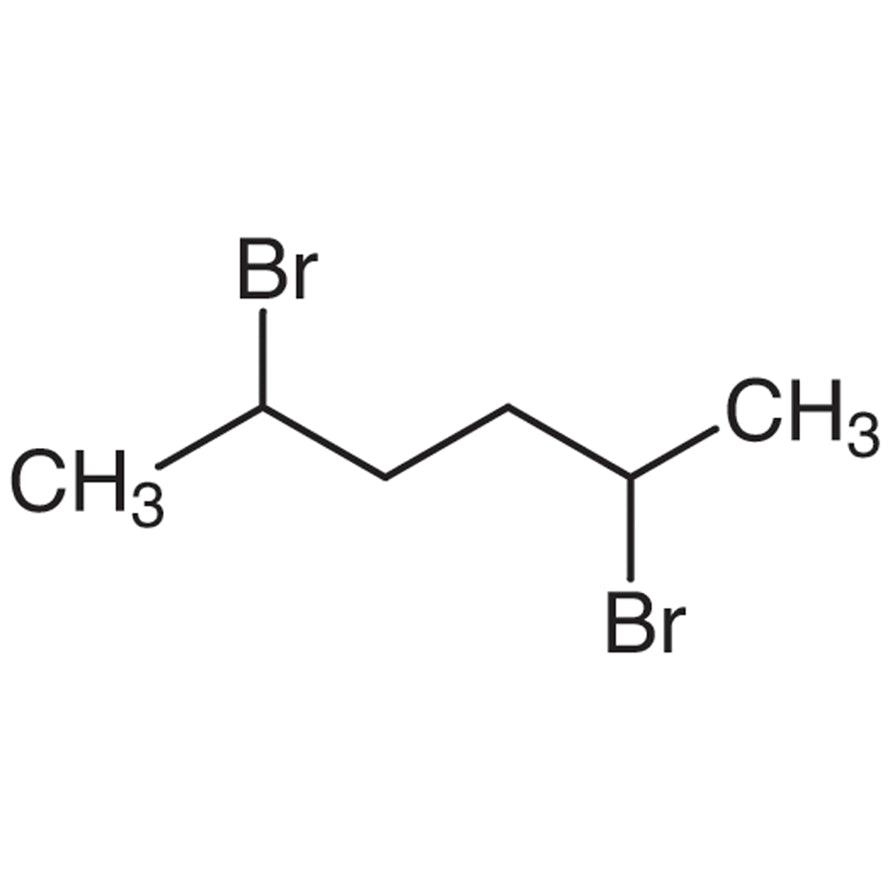
2,5-Dibromohexane (mixture of diastereoisomers) is a chemical compound widely used as a building block in organic synthesis. Its simple molecular structure plays a crucial role in the development of more complex organic molecules. This compound is particularly valuable in reactions that involve chain elongation or modification, making it a versatile reagent in synthetic chemistry. In the laboratory, it is often employed to construct intricate molecular frameworks, including heterocyclic compounds and functionalized molecules. Its utility spans across various research areas, from academic institutions to industrial laboratories.
The compound’s chemical properties make it a preferred choice for synthetic chemists. It exhibits stability under certain conditions but is sensitive to oxidative or reductive reactions. As a mixture of diastereoisomers, it offers a range of physical and chemical characteristics depending on its spatial arrangement. This variability allows researchers to tailor their synthetic approaches to achieve desired reactivity and molecular diversity. Its ability to participate in multiple reaction pathways enhances its applicability in a wide array of chemical transformations.
In Indonesian laboratories, 2,5-Dibromohexane is commonly used in organic chemistry research, especially in higher education and research institutions. It is a key component in programs focused on the synthesis of complex organic compounds. Its availability and reliability make it an essential reagent for both teaching and research purposes. The compound supports the development of new synthetic methodologies and contributes to the advancement of chemical knowledge in the region.
Related TCI products
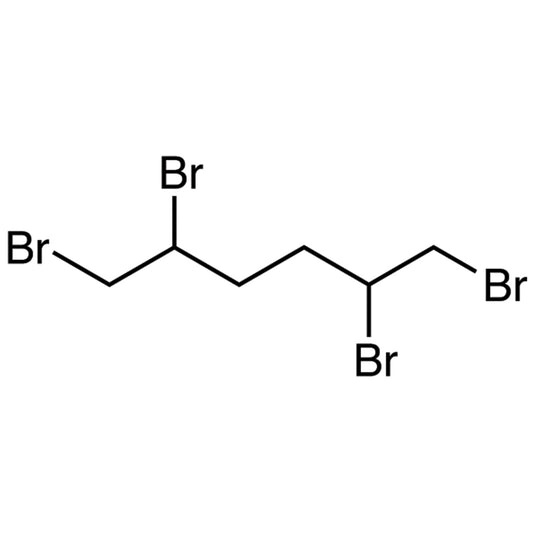
- TCI T2983 58443-86-0 1,2,5,6-Tetrabromohexane (mixture of diastereoisomers)
- TCI D0185 629-03-8 1,6-Dibromohexane
- TCI B1289 3377-87-5 3-Bromohexane (contains 2-Bromohexane) (stabilized with Copper chip)
- TCI B1235 3377-86-4 2-Bromohexane (contains 3-Bromohexane) (stabilized with Copper chip)
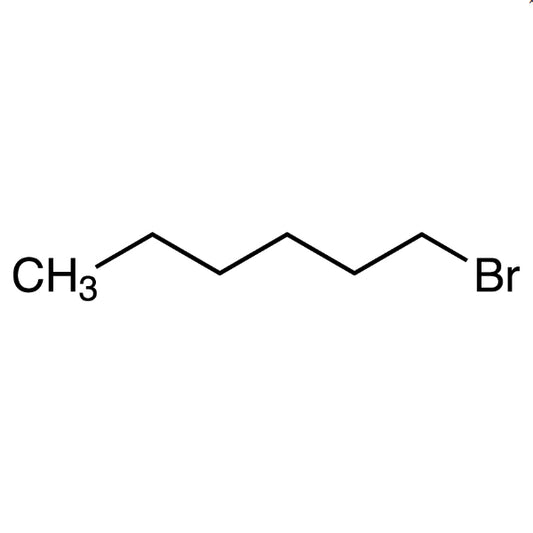
- TCI B0600 111-25-1 1-Bromohexane
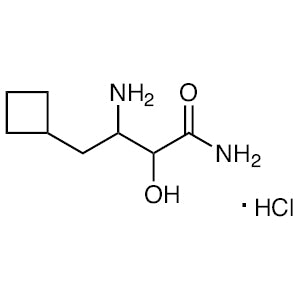
- TCI A3314 394735-23-0 3-Amino-4-cyclobutyl-2-hydroxybutanamide Hydrochloride (mixture of diastereoisomers)
- Organic synthesis of complex molecules where chain modification and functional group introduction are required.
- Preparation of heterocyclic compounds through controlled bromination and subsequent chemical transformations.
- Development of functionalized organic compounds for pharmaceutical and material science applications.
- Research in polymer chemistry for the synthesis of branched or cross-linked polymer structures.
- Teaching and experimental work in undergraduate and graduate chemistry courses focusing on synthetic methods.
| Brand | TCI |
|---|---|
| CAS number | 24774-58-1 |
| Molecular formula | — |
| Purity | — |
| Category | Chemistry > Building Blocks > Non-Heterocyclic Building Blocks |
| Pack sizes | Available in various quantities as per supplier specifications |
| Physical form | Liquid |
| Storage | Store in a cool, dark place away from light and incompatible substances |
This compound should be stored in a cool, dark location to maintain its chemical stability. It is recommended to use airtight containers made of materials compatible with organic solvents to prevent contamination and evaporation. Due to its sensitivity to oxidative and reductive conditions, it should be kept away from strong oxidizing or reducing agents. Proper labeling and safe handling procedures are essential to ensure laboratory safety. Regular monitoring of storage conditions helps maintain the integrity of the compound for extended use in research applications.
—
Produk Terkait
-
1,2,5,6-Tetrabromohexane(mixtureofdiastereoisomers) TCI T2983
Regular price From Rp 3.367.350,00Regular price -
1,6-Dibromohexane TCI D0185
Regular price From Rp 557.550,00Regular price -
3-Bromohexane(contains2-Bromohexane)(stabilizedwithCopperchip) TCI B1289
Regular price Rp 7.023.450,00Regular price -
2-Bromohexane(contains3-Bromohexane)(stabilizedwithCopperchip) TCI B1235
Regular price Rp 3.763.200,00Regular price -
1-Bromohexane TCI B0600
Regular price From Rp 477.750,00Regular price -
3-Amino-4-cyclobutyl-2-hydroxybutanamideHydrochloride(mixtureofdiastereoisomers) TCI A3314
Regular price From Rp 955.500,00Regular price -
Ethyl2-(2,4-Dimethyl-1,3-dioxolan-2-yl)acetate(mixtureofdiastereoisomers) TCI E1417
Regular price From Rp 610.050,00Regular price -
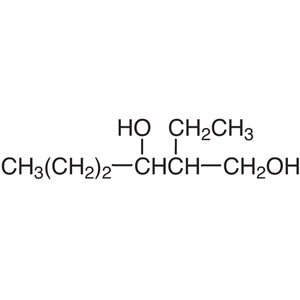
2-Ethyl-1,3-hexanediol(mixtureofdiastereoisomers) TCI E0119
Regular price From Rp 557.550,00Regular price