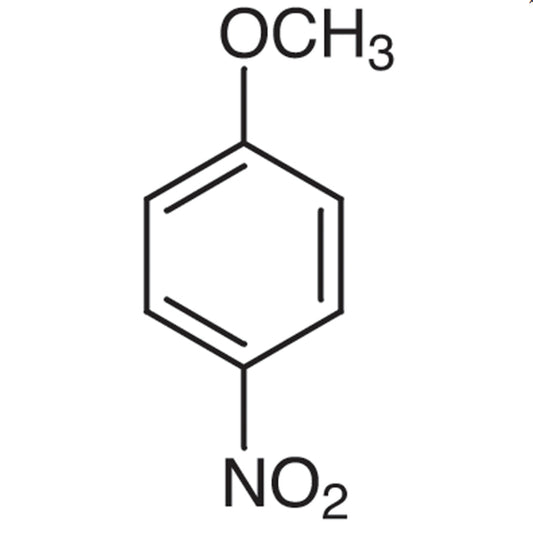
2,6-Dichloro-4-nitroanisole is a chemical compound widely used in organic reactions, particularly in the synthesis of heterocyclic compounds and aromatic derivatives. As a building block in chemical synthesis, it plays a crucial role in the development of complex molecules with applications in pharmaceuticals, materials science, and organic chemistry. This compound is commonly found in chemical laboratories as a key reagent for the preparation of advanced chemical structures. Its versatility makes it an essential component for researchers aiming to create new compounds or modify existing ones.
The compound's aromatic structure, along with its nitro and chloro groups, provides specific reactivity that is highly desirable in synthetic processes. These functional groups contribute to its ability to participate in electrophilic substitution and coupling reactions, making it a preferred choice for chemists. Its chemical stability and predictable behavior under various conditions further enhance its reliability in laboratory settings. These properties ensure consistent results and reduce the risk of unexpected side reactions.
In Indonesian laboratories, 2,6-Dichloro-4-nitroanisole is frequently used by chemists and researchers for the development of new compounds, catalyst testing, and material research. Its availability in the local market ensures that it is easily accessible to academic and industrial institutions. The compound's role in advancing chemical innovation is well recognized, supporting both educational and applied research initiatives.
- Synthesis of Heterocyclic Compounds: This compound is ideal for creating complex ring structures due to its reactive functional groups and aromatic stability.
- Organic Material Development: Its chemical properties make it suitable for the synthesis of advanced materials used in various industrial applications.
- Pharmaceutical Research: It is used in the development of new drugs, particularly in the synthesis of aromatic derivatives with therapeutic potential.
- Catalyst Testing: The compound's reactivity allows it to be used in evaluating the efficiency of different catalysts in organic reactions.
- Educational Research: It serves as a valuable teaching tool in academic settings, helping students understand synthetic pathways and reaction mechanisms.
| Brand | TCI |
|---|---|
| CAS number | 17742-69-7 |
| Molecular formula | — |
| Purity | — |
| Category | Chemistry > Building Blocks > Non-Heterocyclic Building Blocks |
| Pack sizes | Available in standard laboratory quantities |
| Physical form | Solid |
| Storage | Store in a cool, dry place away from light and moisture |
This compound should be stored in a cool, dry environment, away from direct sunlight and moisture. It is recommended to use airtight containers to prevent exposure to air and humidity, which may affect its stability. Due to its chemical nature, it should be handled with appropriate personal protective equipment, such as gloves and safety goggles, to ensure laboratory safety. It is important to keep it away from incompatible substances to avoid any potential chemical reactions. Regular monitoring of storage conditions is advised to maintain its integrity and ensure safe usage in laboratory settings.
—
Produk Terkait
-
3-Bromo-2-nitroanisole TCI B3486
Regular price From Rp 1.405.950,00Regular price -
2,4-Dichloro-3-ethyl-6-nitrophenol TCI D3510
Regular price From Rp 743.400,00Regular price -
3-Bromo-5-nitroanisole TCI B4973
Regular price From Rp 1.590.750,00Regular price -
4-Bromo-2-nitroanisole TCI B4010
Regular price Rp 1.167.600,00Regular price -
4-Bromo-3-nitroanisole TCI B3420
Regular price From Rp 795.900,00Regular price -
2-Bromo-5-nitroanisole TCI B3418
Regular price Rp 1.565.550,00Regular price -
2-Bromo-4-nitroanisole TCI B2830
Regular price Rp 2.094.750,00Regular price -
4-Nitroanisole TCI N0126
Regular price From Rp 769.650,00Regular price