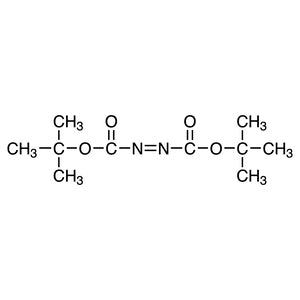
Di-tert-butyl Azodicarboxylate (DTBAC), with the CAS number 870-50-8, is a synthetic reagent widely used in chemical laboratories for forming C-X bonds, particularly in organic synthesis. It is a versatile compound that plays a crucial role in reactions involving carbon-carbon or carbon-halogen bond formation. Its utility extends across various research fields, including pharmaceutical and organic chemistry, where it is employed to create complex molecular structures. DTBAC is known for its reactivity and stability, making it an essential component in many synthetic processes.
DTBAC is favored for its high reactivity and controlled stability, which allow it to participate in a wide range of chemical reactions under specific conditions. Its ability to form stable intermediates and its compatibility with various substrates make it a preferred choice for chemists. The compound remains stable under certain conditions, ensuring consistent performance in laboratory settings. Its non-degradative nature also ensures reliability in long-term storage and use, contributing to its widespread adoption in chemical research.
In Indonesian laboratories, DTBAC is commonly used in organic chemistry research and the synthesis of complex compounds. It is a key reagent in the development of new pharmaceuticals and specialty chemicals. Its application is particularly prevalent in academic and industrial research settings where precision and reliability are essential. The compound's versatility and effectiveness make it a staple in many laboratory workflows across Indonesia.
TCI brochures (PDF)
- Mitsunobu Reaction 2026-07-22 · p. 5
Related TCI products
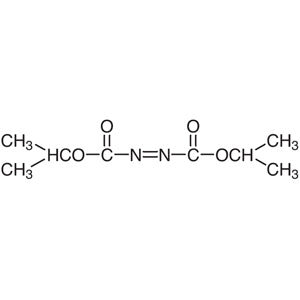
- TCI A1246 2446-83-5 Diisopropyl Azodicarboxylate (40% in Toluene, ca. 1.9mol/L)
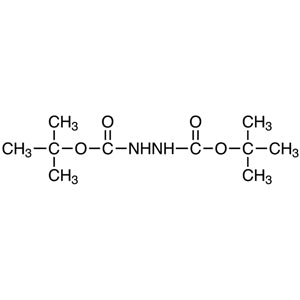
- TCI D4224 16466-61-8 Di-tert-butyl Hydrazodicarboxylate
- TCI T3614 75-50-3 Trimethylamine (ca. 8% in Toluene, ca. 1mol/L)
- TCI T2454 706-27-4 4-(Trifluoromethoxy)toluene
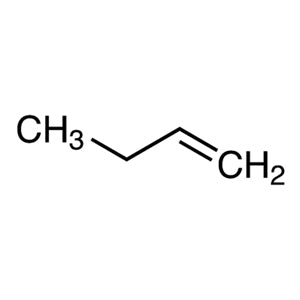
- TCI B4411 106-98-9 1-Butene (ca. 10% in Toluene)
- TCI A1393 1459-55-8 p-(1-Adamantyl)toluene
- Organic synthesis reactions where C-X bond formation is required due to its ability to facilitate carbon-carbon and carbon-halogen bond formation.
- Pharmaceutical research applications for the development of complex molecular structures due to its reactivity and stability.
- Industrial chemical synthesis processes that require controlled reactivity and high efficiency in bond formation.
- Academic research in organic chemistry where precise and reliable reagents are essential for experimental success.
- Custom compound synthesis projects that demand a versatile and stable reagent for multiple reaction conditions.
| Brand | TCI |
|---|---|
| CAS number | 870-50-8 |
| Molecular formula | — |
| Purity | — |
| Category | Chemistry > Synthetic Reagents > C-X(Non-Halogen) Bond Formation [Synthetic Reagents] |
| Pack sizes | 20% in Toluene |
| Physical form | Liquid |
| Storage | Store in a cool, dark place away from heat and light |
DTBAC should be stored in a cool, dark place, away from heat and direct light to maintain its stability and reactivity. It is recommended to use airtight containers made of glass or high-density polyethylene to prevent contamination and evaporation. Due to its chemical nature, it should be handled in a well-ventilated area, and appropriate personal protective equipment such as gloves and safety goggles should be worn. Avoid exposure to moisture and incompatible substances to ensure safety and effectiveness. Regular monitoring of storage conditions is advised to maintain the integrity of the reagent.
—
Produk Terkait
-
DiisopropylAzodicarboxylate(40%inToluene,ca.1.9mol/L) TCI A1246
Regular price From Rp 1.458.450,00Regular price -
Di-tert-butylHydrazodicarboxylate TCI D4224
Regular price From Rp 1.326.150,00Regular price -
Trimethylamine(ca.8%inToluene,ca.1mol/L) TCI T3614
Regular price Rp 1.087.800,00Regular price -
4-(Trifluoromethoxy)toluene TCI T2454
Regular price From Rp 664.650,00Regular price -
1-Butene(ca.10%inToluene) TCI B4411
Regular price From Rp 980.700,00Regular price -
p-(1-Adamantyl)toluene TCI A1393
Regular price Rp 5.803.350,00Regular price -
2-Amino-5-(diethylamino)tolueneMonohydrochloride TCI A0289
Regular price Rp 2.571.450,00Regular price -
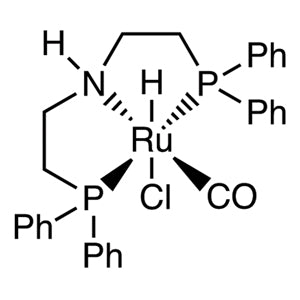
Ru-MACHO(regR)(contains5%Tolueneatmaximum) TCI R0136
Regular price From Rp 1.246.350,00Regular price