3,6-Di-tert-butylcarbazole is an organic compound widely used in scientific research, particularly in the field of semiconductor materials. As a small molecule semiconductor building block, it plays a crucial role in the development of advanced materials with unique electronic properties. This compound is commonly found in the synthesis of materials used in optoelectronic devices and electrode components, making it essential for modern technological applications. Its versatility and chemical stability make it a valuable resource for researchers aiming to innovate in material science.
The compound is preferred due to its stable molecular structure and ability to form bonds with various functional groups. These characteristics allow for the creation of complex molecular structures with tailored electronic properties. Its resistance to unexpected chemical reactions enhances its reliability in laboratory settings, ensuring consistent results during synthesis and manipulation processes. This stability and reactivity make it a go-to material for researchers seeking to develop new electronic and optoelectronic materials.
In Indonesian laboratories, 3,6-Di-tert-butylcarbazole is utilized in semiconductor material research, especially in the development of electronic and optical devices. Research institutions and universities across Indonesia use this compound in experiments focused on technological innovation and material quality improvement. Its application in these contexts highlights its importance in advancing scientific research and industrial applications in the region.
TCI brochures (PDF)
- 2,7-Substituted and 3,6-Substituted Carbazoles 2024-05-31 · p. 1
- Carbazoles 2025-06-27 · p. 2
- Building Blocks for Organic Semiconductor 2026-03-24 · p. 20
Related TCI products
- TCI T3051 34601-54-2 1,3,6,8-Tetra-tert-butylcarbazole
- TCI B5313 601454-33-5 9-(4-Bromophenyl)-3,6-di-tert-butylcarbazole
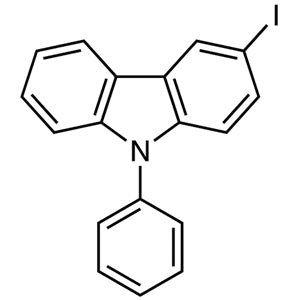
- TCI I0913 502161-03-7 3-Iodo-9-phenylcarbazole
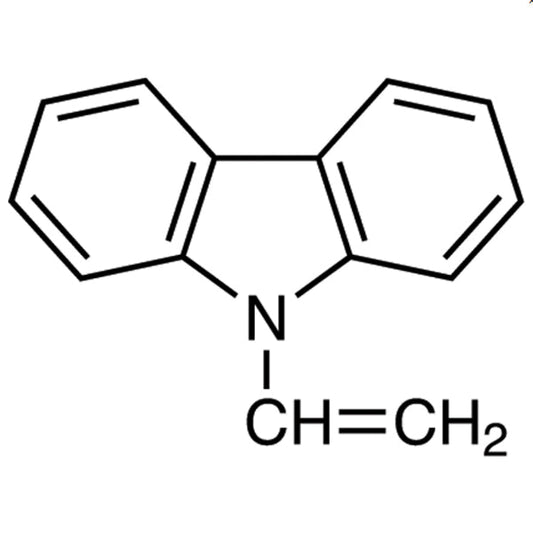
- TCI V0021 1484-13-5 9-Vinylcarbazole
- TCI B4795 1160294-85-8 3-Bromo-6,9-diphenylcarbazole
- TCI B4452 1028647-93-9 3-(4-Bromophenyl)-9-phenylcarbazole
- Semiconductor material synthesis for optoelectronic device development due to its stable molecular structure and functional group compatibility.
- Electrode component fabrication in advanced electronic systems because of its electronic properties and chemical stability.
- Research in organic semiconductor materials for use in flexible electronics and photovoltaic applications due to its reactivity and versatility.
- Development of novel electronic materials for high-performance devices through controlled chemical modifications.
- Exploration of molecular structures for improved conductivity and optical properties in next-generation electronic components.
| Brand | TCI |
|---|---|
| CAS number | 37500-95-1 |
| Molecular formula | — |
| Purity | — |
| Category | Materials Science > Material Building Blocks > Small Molecule Semiconductor Building Blocks |
| Pack sizes | Available in standard laboratory quantities as per supplier specifications |
| Physical form | Solid, typically in crystalline or powder form |
| Storage | Store in a cool, dry place away from direct sunlight and moisture |
This compound should be stored in a cool, dry environment, away from direct sunlight and moisture to maintain its chemical stability. It is recommended to use airtight containers made of glass or high-density polyethylene to prevent contamination and degradation. Due to its organic nature, it should be handled with appropriate personal protective equipment, including gloves and safety goggles, to ensure laboratory safety. Proper ventilation is essential when working with this compound to minimize exposure. It should not be stored near incompatible substances such as strong oxidizers or acids. Regular monitoring of storage conditions will help preserve its integrity and effectiveness for research applications.
—
Produk Terkait
-
1,3,6,8-Tetra-tert-butylcarbazole TCI T3051
Regular price Rp 3.180.450,00Regular priceRp 2.239.650,00Sale price Rp 3.180.450,00 -
9-(4-Bromophenyl)-3,6-di-tert-butylcarbazole TCI B5313
Regular price From Rp 2.969.400,00Regular priceRp 2.091.600,00Sale price From Rp 2.969.400,00 -
3-Iodo-9-phenylcarbazole TCI I0913
Regular price From Rp 1.008.000,00Regular priceRp 720.300,00Sale price From Rp 1.008.000,00 -
9-Vinylcarbazole TCI V0021
Regular price Rp 2.439.150,00Regular priceRp 1.720.950,00Sale price Rp 2.439.150,00 -
3-Bromo-6,9-diphenylcarbazole TCI B4795
Regular price From Rp 742.350,00Regular priceRp 534.450,00Sale price From Rp 742.350,00 -
3-(4-Bromophenyl)-9-phenylcarbazole TCI B4452
Regular price From Rp 530.250,00Regular priceRp 386.400,00Sale price From Rp 530.250,00 -
2-Bromo-9-phenylcarbazole TCI B4439
Regular price From Rp 2.013.900,00Regular priceRp 1.423.800,00Sale price From Rp 2.013.900,00 -
3-Bromo-9-phenylcarbazole TCI B3908
Regular price From Rp 1.033.200,00Regular priceRp 738.150,00Sale price From Rp 1.033.200,00