2,2-Dimethylsuccinic Anhydride is a chemical compound widely used in laboratory settings for the synthesis of complex organic compounds. As an anhydride, it serves as a versatile reagent capable of reacting with various functional groups such as amines, hydroxyls, and hydrazines. Its role in organic chemistry is crucial, particularly in the formation of esters, amides, and heterocyclic structures. Due to its reactivity, it is often employed in synthetic pathways where controlled conditions are necessary.
This compound is preferred for its high reactivity and ability to participate in a wide range of chemical reactions without the need for additional solvents. Its anhydride form ensures that it remains stable and active until the reaction conditions are met. The compound's sensitivity to moisture and bases makes it ideal for reactions that require anhydrous environments. This characteristic also simplifies the reaction process by eliminating the need for extra drying agents or solvent purification steps.
In Indonesian laboratories, 2,2-Dimethylsuccinic Anhydride is commonly used in organic synthesis research. It is a key reagent in the development of pharmaceutical compounds and complex organic molecules. Many research institutions and universities rely on this compound for experiments requiring high reactivity and chemical stability. Its availability and effectiveness make it a standard choice in both academic and industrial research settings.
Related TCI products
- TCI D2184 597-43-3 2,2-Dimethylsuccinic Acid
- TCI B1613 7538-42-3 2-Buten-1-ylsuccinic Anhydride
- TCI M0430 498-21-5 Methylsuccinic Acid
- TCI H0616 10500-34-2 2-Hexen-1-ylsuccinic Anhydride (cis- and trans- mixture)
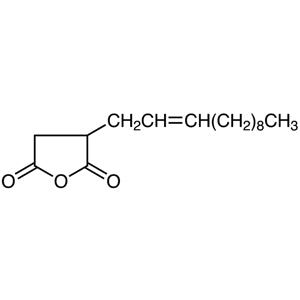
- TCI D0976 19780-11-1 2-Dodecen-1-ylsuccinic Anhydride (cis- and trans- mixture)
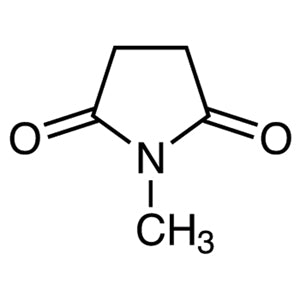
- TCI M2207 1121-07-9 N-Methylsuccinimide
- Synthesis of heterocyclic compounds for pharmaceutical development due to its reactivity with amines and hydroxyl groups.
- Preparation of esters and amides in organic reactions because of its anhydride structure that facilitates acyl transfer.
- Reaction with hydrazines to form hydrazides, which are important intermediates in drug synthesis.
- Use in anhydrous conditions for organic synthesis to avoid hydrolysis and maintain reactivity.
- Application in complex organic molecule synthesis where controlled reactivity and stability are essential.
| Brand | TCI |
|---|---|
| CAS number | 17347-61-4 |
| Molecular formula | — |
| Purity | — |
| Category | Chemistry > Building Blocks > Non-Heterocyclic Building Blocks |
| Pack sizes | Available in various quantities as per supplier specifications |
| Physical form | Solid |
| Storage | Store in a cool, dry place away from moisture and bases |
This compound should be stored in a cool, dry environment to prevent hydrolysis and maintain its reactivity. It is recommended to use airtight containers made of materials such as glass or polyethylene to protect it from moisture and air exposure. Due to its sensitivity to bases and water, it should be handled in anhydrous conditions whenever possible. Laboratory personnel should wear appropriate personal protective equipment, including gloves and safety goggles, to ensure safe handling. The compound should not be stored near incompatible substances such as strong bases or aqueous solutions. Proper labeling and storage practices are essential to maintain its chemical integrity and ensure safe usage in laboratory settings.
—
Produk Terkait
-
2,2-DimethylsuccinicAcid TCI D2184
Regular price From Rp 610.050,00Regular price -
2-Buten-1-ylsuccinicAnhydride TCI B1613
Regular price From Rp 2.439.150,00Regular price -
MethylsuccinicAcid TCI M0430
Regular price Rp 2.625.000,00Regular price -
2-Hexen-1-ylsuccinicAnhydride(cis-andtrans-mixture) TCI H0616
Regular price Rp 4.213.650,00Regular price -
2-Dodecen-1-ylsuccinicAnhydride(cis-andtrans-mixture) TCI D0976
Regular price From Rp 610.050,00Regular price -
N-Methylsuccinimide TCI M2207
Regular price From Rp 2.782.500,00Regular price -
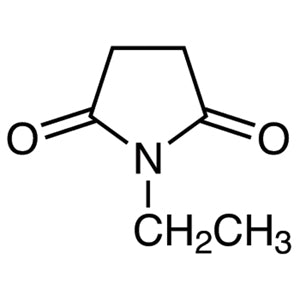
N-Ethylsuccinimide TCI E0175
Regular price Rp 2.916.900,00Regular price -
ValericAnhydride TCI V0006
Regular price From Rp 875.700,00Regular price