Methylsuccinic acid is a chemical compound widely used in laboratory settings for the synthesis of complex organic molecules. As a key building block in organic chemistry, it serves as a fundamental component in the development of various chemical structures. Its versatility makes it an essential reagent in both academic and industrial research environments. This compound is commonly utilized in chemical reactions that require a stable and reactive starting material, enabling the creation of more intricate molecular frameworks.
The chemical properties of methylsuccinic acid make it a preferred choice for chemists. It exhibits stability under normal laboratory conditions and readily participates in a variety of reactions, such as esterification, amidation, and substitution. Its ability to react with different reagents and its predictable behavior in chemical processes contribute to its popularity among researchers. These characteristics allow it to be a reliable and effective tool in the synthesis of pharmaceuticals, organic compounds, and other chemical products.
In Indonesian laboratories, methylsuccinic acid is a commonly used material in chemical research, pharmaceutical development, and organic compound analysis. It plays a crucial role in educational institutions and research facilities, supporting both teaching and experimental work. Its relevance spans across multiple scientific disciplines, particularly in organic chemistry and the synthesis of new compounds. The compound's widespread application highlights its importance in both academic and industrial chemical processes.
Related TCI products
- TCI B1613 7538-42-3 2-Buten-1-ylsuccinic Anhydride
- TCI H0616 10500-34-2 2-Hexen-1-ylsuccinic Anhydride (cis- and trans- mixture)
- TCI D4417 17347-61-4 2,2-Dimethylsuccinic Anhydride
- TCI D2184 597-43-3 2,2-Dimethylsuccinic Acid
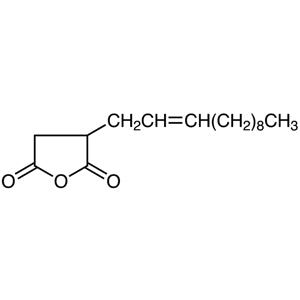
- TCI D0976 19780-11-1 2-Dodecen-1-ylsuccinic Anhydride (cis- and trans- mixture)
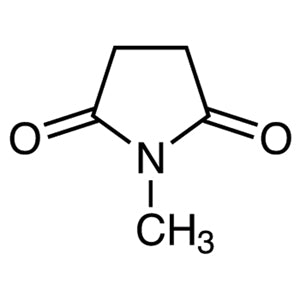
- TCI M2207 1121-07-9 N-Methylsuccinimide
- Organic compound synthesis: Methylsuccinic acid is ideal for creating complex organic structures due to its reactivity and stability.
- Esterification reactions: It is commonly used to produce ester compounds, which are essential in pharmaceutical and chemical industries.
- Amide synthesis: Its ability to participate in amidation reactions makes it valuable in drug development and medicinal chemistry.
- Quality testing of chemical materials: It serves as a standard reagent for analyzing the purity and properties of other chemical substances.
- Educational research: It is frequently used in teaching and research settings to demonstrate chemical reactions and synthesis techniques.
| Brand | TCI |
|---|---|
| CAS number | 498-21-5 |
| Molecular formula | — |
| Purity | — |
| Category | Chemistry > Building Blocks > Non-Heterocyclic Building Blocks |
| Pack sizes | Available in various quantities as per standard laboratory supply |
| Physical form | Solid |
| Storage | Store in a cool, dry place away from moisture and direct sunlight |
Methylsuccinic acid should be stored in a cool, dry environment to maintain its chemical integrity. It is recommended to keep it in airtight containers to prevent exposure to moisture and air. Since it is a solid, it should be stored in a place that is free from direct sunlight and extreme temperature fluctuations. Proper labeling of storage containers is essential for safety and identification. Laboratory personnel should handle the compound with care, using appropriate personal protective equipment when necessary. Regular inspection of storage conditions ensures the compound remains stable and usable for research purposes.
—
Produk Terkait
-
2-Buten-1-ylsuccinicAnhydride TCI B1613
Regular price From Rp 2.439.150,00Regular price -
2-Hexen-1-ylsuccinicAnhydride(cis-andtrans-mixture) TCI H0616
Regular price Rp 4.213.650,00Regular price -
2,2-DimethylsuccinicAnhydride TCI D4417
Regular price From Rp 1.353.450,00Regular price -
2,2-DimethylsuccinicAcid TCI D2184
Regular price From Rp 610.050,00Regular price -
2-Dodecen-1-ylsuccinicAnhydride(cis-andtrans-mixture) TCI D0976
Regular price From Rp 610.050,00Regular price -
N-Methylsuccinimide TCI M2207
Regular price From Rp 2.782.500,00Regular price -
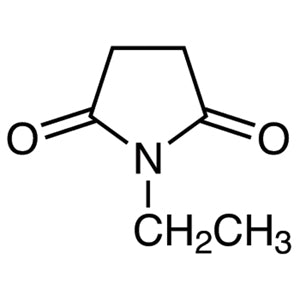
N-Ethylsuccinimide TCI E0175
Regular price Rp 2.916.900,00Regular price -
ButylsuccinicAnhydride TCI B2742
Regular price From Rp 5.274.150,00Regular price