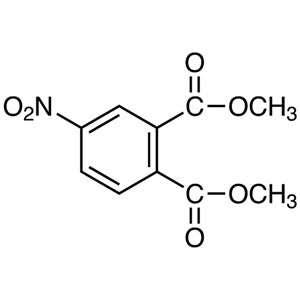
Dimethyl 4-nitrophthalate is a chemical compound widely used as a building block in various chemical reactions and the synthesis of complex compounds. It plays a crucial role in organic chemistry research due to its stable molecular structure and high reactivity. This compound is commonly employed in laboratories for its ability to participate in multiple reaction types, making it a versatile reagent for synthetic pathways. Its chemical properties allow it to interact effectively with a range of reagents, including bases, acids, and organic solvents, which enhances its utility in diverse chemical processes.
The compound's chemical characteristics, such as its reactivity and stability, make it a preferred choice for laboratory applications. It is particularly useful in substitution reactions, esterification, and nucleophilic reactions, where its functional groups can be modified to produce a wide array of derivatives. Its compatibility with various reagents and solvents ensures that it can be integrated into multiple synthetic strategies, offering flexibility in experimental design. These properties make it a reliable and efficient reagent for both academic and industrial research settings.
In Indonesian laboratories, dimethyl 4-nitrophthalate is frequently used by chemists and researchers for experiments requiring a specific chemical building block. Its availability through local distributors like AMI Scientific ensures that it is accessible for use in both academic and research environments. This compound supports the development of new materials, pharmaceuticals, and chemical products, contributing to the advancement of scientific research in Indonesia.
- Organic synthesis applications benefit from dimethyl 4-nitrophthalate due to its reactivity and compatibility with various reagents, enabling the creation of complex molecular structures.
- It is ideal for nucleophilic substitution reactions because of its functional groups that can be modified through chemical transformations, offering versatility in synthetic pathways.
- Esterification processes are enhanced by this compound’s ability to react with acids and bases, making it a valuable reagent in the production of ester derivatives.
- In pharmaceutical research, it is used to develop new drug compounds by serving as a precursor in the synthesis of heterocyclic and aromatic compounds.
- Material science applications utilize this compound for the synthesis of polymers and advanced materials, leveraging its chemical stability and reactivity.
| Brand | TCI |
|---|---|
| CAS number | 610-22-0 |
| Molecular formula | — |
| Purity | — |
| Category | Chemistry > Building Blocks > Non-Heterocyclic Building Blocks |
| Pack sizes | Available in various quantities as per supplier specifications |
| Physical form | Solid, typically in crystalline form |
| Storage | Store in a cool, dry place away from direct sunlight and incompatible materials |
Dimethyl 4-nitrophthalate should be stored in a cool, dry environment to maintain its chemical stability. It is recommended to use airtight containers to prevent moisture absorption and contamination. Since it is a reactive compound, it should be kept away from strong acids, bases, and oxidizing agents to avoid unintended chemical interactions. Proper labeling of storage containers is essential for safe handling and to prevent accidental exposure. In laboratory settings, personal protective equipment such as gloves and safety goggles should be worn when handling this compound to ensure safety and compliance with standard operating procedures.
—
Produk Terkait
-
Dimethyl3-Nitrophthalate TCI D5310
Regular price From Rp 2.757.300,00Regular price -
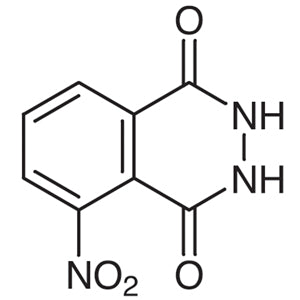
3-NitrophthalicHydrazide TCI N0622
Regular price From Rp 875.700,00Regular price -
4-NitrophthalicAnhydride TCI N0246
Regular price From Rp 4.797.450,00Regular price -
3-NitrophthalicAnhydride TCI N0245
Regular price From Rp 1.829.100,00Regular price -
4-NitrophthalicAcid TCI N0244
Regular price From Rp 610.050,00Regular price -
3-NitrophthalicAcid TCI N0243
Regular price From Rp 477.750,00Regular price -
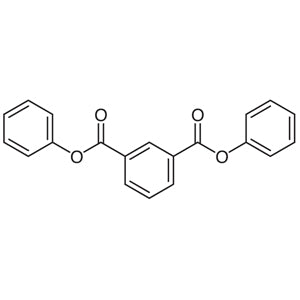
DiphenylIsophthalate TCI I0416
Regular price From Rp 1.298.850,00Regular price -
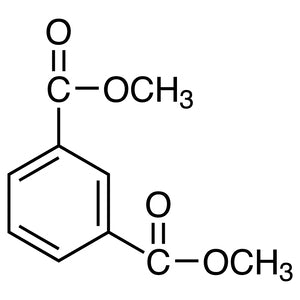
DimethylIsophthalate TCI I0157
Regular price From Rp 452.550,00Regular price