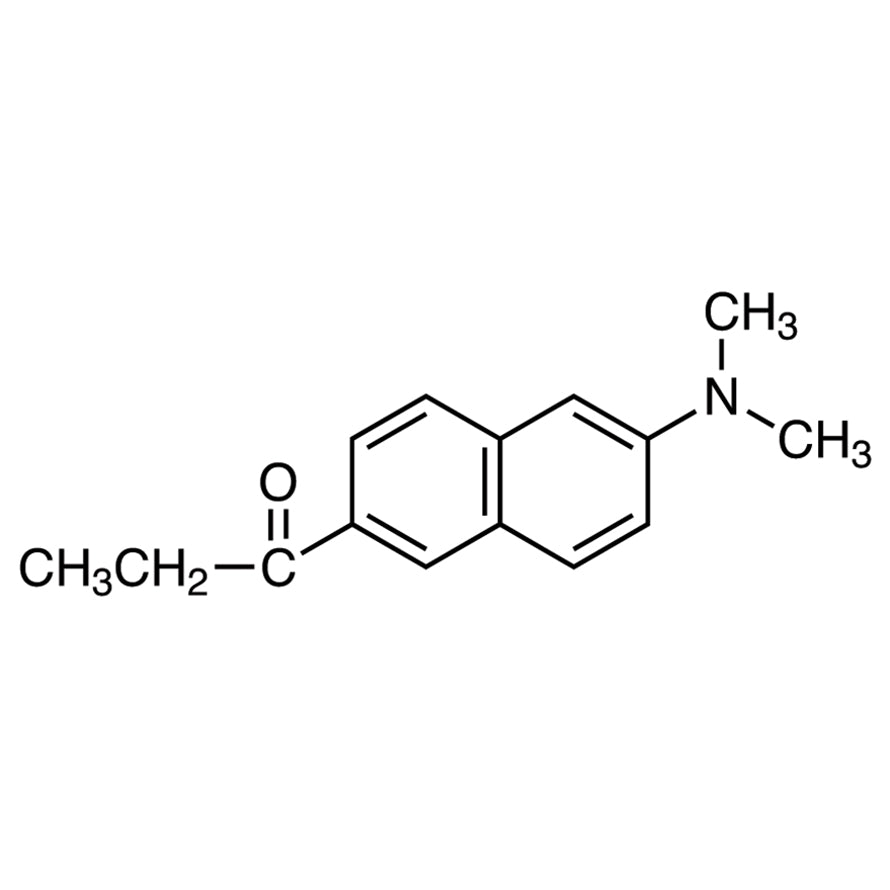
2-(Dimethylamino)-6-propionylnaphthalene is a chemical compound widely used in biochemical research and scientific investigations. As a fluorescent probe, it plays a crucial role in laboratories by enabling the visualization and identification of molecular structures. Its ability to emit light under specific conditions makes it an essential tool for various analytical processes. This compound is particularly valuable in studies involving proteins and other biological molecules, where precise detection and labeling are required.
The compound’s fluorescent properties and controlled reactivity make it a preferred choice for researchers. Its stability and ability to interact with specific molecules allow for accurate and reliable results in experiments. The emission of detectable light through optical instruments enhances the precision of molecular analysis, making it suitable for advanced techniques such as fluorescent staining and labeling. These characteristics ensure consistent performance in diverse laboratory settings.
In Indonesian laboratories, 2-(Dimethylamino)-6-propionylnaphthalene is commonly used in molecular biology, organic chemistry, and biomedical analysis. It supports research in areas such as protein detection, molecular imaging, and biochemical assays. Its application is widespread in academic and industrial research, contributing to the advancement of scientific knowledge in the region.
Related TCI products
- TCI S0857 146998-31-4 N-Succinimidyl 4-[4-(Dimethylamino)phenylazo]benzoate
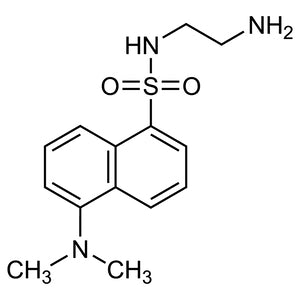
- TCI D6499 35060-08-3 N-(2-Aminoethyl)-5-(dimethylamino)naphthalene-1-sulfonamide
- TCI A0291 22525-43-5 4-Amino-4'-(N,N-dimethylamino)stilbene
- TCI T2898 33527-91-2 Tris[2-(dimethylamino)ethyl]amine
- TCI B4583 22291-04-9 N,N'-Bis[2-(dimethylamino)ethyl]-1,8:4,5-naphthalenetetracarboxdiimide
- TCI B3914 119313-12-1 2-Benzyl-2-(dimethylamino)-4'-morpholinobutyrophenone
- Fluorescent Staining: This compound is ideal for fluorescent staining due to its ability to emit light when bound to target molecules, allowing for clear visualization under a microscope.
- Molecular Imaging: Its fluorescent properties enable researchers to track and analyze molecular interactions in real-time, making it useful for imaging techniques in cell biology.
- Protein Detection: It is used in assays to detect and quantify proteins by labeling them with fluorescent markers, enhancing sensitivity and accuracy in biochemical analysis.
- Biochemical Assays: The compound’s reactivity and stability make it suitable for use in various biochemical assays where precise detection and labeling are required.
- Biomedical Research: It supports research in biomedical fields by aiding in the identification and analysis of biological structures and processes.
| Brand | TCI |
|---|---|
| CAS number | 70504-01-7 |
| Molecular formula | — |
| Purity | — |
| Category | Life Science > Biochemicals and Reagents > Fluorescent Probes, Fluorescent Labels, Fluorescent Stains |
| Pack sizes | — |
| Physical form | — |
| Storage | Store in a cool, dry place away from light |
This compound should be stored in a cool, dry place, away from direct light to maintain its stability and fluorescent properties. It is recommended to use airtight containers to prevent exposure to moisture and contaminants. Proper labeling of storage containers is essential to ensure safe handling and prevent accidental use. In laboratory settings, it is important to follow standard safety protocols, including the use of personal protective equipment when handling. The compound should be kept in a secure location to avoid unauthorized access. Regular inspection of storage conditions ensures the compound remains in optimal condition for use in research applications.
—
Produk Terkait
-
N-Succinimidyl4-[4-(Dimethylamino)phenylazo]benzoate TCI S0857
Regular price From Rp 3.922.800,00Regular price -
N-(2-Aminoethyl)-5-(dimethylamino)naphthalene-1-sulfonamide TCI D6499
Regular price Rp 1.936.200,00Regular price -
4-Amino-4'-(N,N-dimethylamino)stilbene TCI A0291
Regular price From Rp 1.936.200,00Regular price -
Tris[2-(dimethylamino)ethyl]amine TCI T2898
Regular price From Rp 2.254.350,00Regular price -
N,N'-Bis[2-(dimethylamino)ethyl]-1,8:4,5-naphthalenetetracarboxdiimide TCI B4583
Regular price Rp 5.169.150,00Regular price -
2-Benzyl-2-(dimethylamino)-4'-morpholinobutyrophenone TCI B3914
Regular price From Rp 1.008.000,00Regular price -
1H-Benzotriazol-1-yloxytris(dimethylamino)phosphoniumHexafluorophosphate[CouplingReagentforPeptide] TCI B1651
Regular price From Rp 795.900,00Regular price -
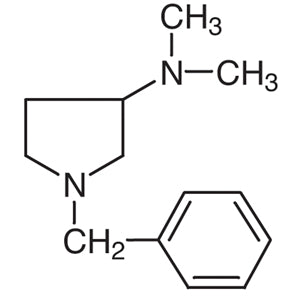
1-Benzyl-3-(dimethylamino)pyrrolidine TCI B1559
Regular price Rp 1.776.600,00Regular price
![146998-31-4 N-Succinimidyl 4-[4-(Dimethylamino)phenylazo]benzoate - AMI Scientific](http://amiscientific.com/cdn/shop/files/TCI2510S0857.jpg?v=1767139066&width=533)

![33527-91-2 Tris[2-(dimethylamino)ethyl]amine - AMI Scientific](http://amiscientific.com/cdn/shop/files/TCI2510T2898.jpg?v=1767143487&width=533)
![22291-04-9 N,N'-Bis[2-(dimethylamino)ethyl]-1,8:4,5-naphthalenetetracarboxdiimide - AMI Scientific](http://amiscientific.com/cdn/shop/files/TCI2510B4583.jpg?v=1769141812&width=533)

![56602-33-6 1H-Benzotriazol-1-yloxytris(dimethylamino)phosphonium Hexafluorophosphate [Coupling Reagent for Peptide] - AMI Scientific](http://amiscientific.com/cdn/shop/files/TCI2510B1651.jpg?v=1768204084&width=533)