![6,8-Dibromoimidazo[1,2-a]pyrazine (CAS 63744-22-9) - TCI D4967 - AMI Scientific](http://amiscientific.com/cdn/shop/files/TCI2510D4967.jpg?v=1767108227&width=1946)
![6,8-Dibromoimidazo[1,2-a]pyrazine (CAS 63744-22-9) - TCI D4967 - AMI Scientific](http://amiscientific.com/cdn/shop/files/TCI2510D4967.jpg?v=1767108227&width=1445)
6,8-Dibromoimidazo[1,2-a]pyrazine is a chemical compound widely used as a building block in the synthesis of complex heterocyclic compounds. This material plays a crucial role in organic chemistry laboratories, where it serves as a key component in reactions requiring bromo substitution on heterocyclic structures. Its unique molecular structure enables it to participate in various chemical transformations, making it a valuable tool for researchers working on synthetic pathways. Due to its reactivity and stability, it is frequently employed in the development of bioactive compounds with potential pharmaceutical applications.
The compound’s chemical properties, including its bromo substituents and heterocyclic framework, make it a preferred choice for synthetic chemists. These features allow for controlled modifications during chemical reactions, enhancing the versatility of the compound in laboratory settings. Its solubility and stability under specific conditions further contribute to its utility in a range of experimental protocols. The compound’s ability to undergo substitution reactions also makes it suitable for studies focused on reactivity and reaction mechanisms.
In Indonesian laboratories, 6,8-Dibromoimidazo[1,2-a]pyrazine is commonly used in organic chemistry and pharmacological research. Local researchers utilize it for the development of new drugs and the modification of existing compounds. Its availability supports more complex scientific experiments, enabling researchers to explore advanced synthetic routes and biological activities. This compound is essential for advancing research in both academic and industrial settings within the country.
Related TCI products
- Organic synthesis applications benefit from this compound’s bromo substituents, allowing for controlled functional group modifications in heterocyclic structures.
- Pharmaceutical research leverages its role in the development of bioactive compounds with antitumor or antibacterial properties.
- Heterocyclic compound design relies on its structural framework for creating complex molecular architectures with desired biological activities.
- Reaction mechanism studies use its reactivity to investigate substitution and transformation processes in synthetic chemistry.
- Drug development projects incorporate it as a building block for synthesizing novel therapeutic agents with improved pharmacological profiles.
| Brand | TCI |
|---|---|
| CAS number | 63744-22-9 |
| Molecular formula | — |
| Purity | — |
| Category | Chemistry > Building Blocks > Heterocyclic Building Blocks |
| Pack sizes | — |
| Physical form | — |
| Storage | Store in a cool, dry place away from light and moisture |
This compound should be stored in a cool, dry environment, away from direct light and moisture to maintain its chemical integrity. It is recommended to use airtight containers to prevent exposure to air and humidity, which could affect its stability. Due to its bromo substituents, it may react with certain substances, so it should be handled with care in a well-ventilated laboratory setting. Proper personal protective equipment, such as gloves and safety goggles, should be worn when handling this material. While no specific hazards are noted, standard laboratory safety protocols should be followed to ensure safe usage and storage.
—
Produk Terkait
-
6-Bromoimidazo[1,2-a]pyridine TCI B5225
Regular price From Rp 928.200,00Regular price -
6-Bromoimidazo[1,2-a]pyrimidine TCI B5599
Regular price From Rp 2.677.500,00Regular price -
2,4,5-Tribromoimidazole TCI T2266
Regular price Rp 928.200,00Regular priceRp 664.650,00Sale price Rp 928.200,00 -
3-Bromoimidazo[1,2-b]pyridazine TCI B4652
Regular price Rp 2.359.350,00Regular price -
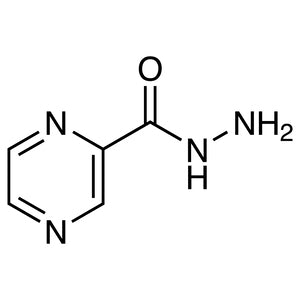
Pyrazine-2-carbohydrazide TCI P2961
Regular price Rp 1.776.600,00Regular priceRp 1.257.900,00Sale price Rp 1.776.600,00 -
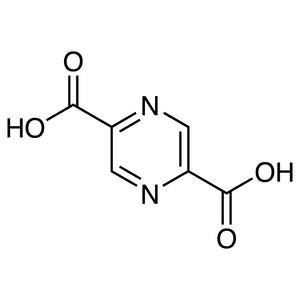
Pyrazine-2,5-dicarboxylicAcid TCI P2932
Regular price Rp 1.378.650,00Regular priceRp 979.650,00Sale price Rp 1.378.650,00 -
2-(Piperazin-1-yl)pyrazine TCI P2910
Regular price Rp 1.988.700,00Regular priceRp 1.405.950,00Sale price Rp 1.988.700,00 -
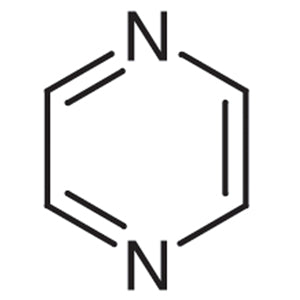
Pyrazine TCI P0544
Regular price Rp 1.113.000,00Regular priceRp 793.800,00Sale price Rp 1.113.000,00
![6188-23-4 6-Bromoimidazo[1,2-a]pyridine - AMI Scientific](http://amiscientific.com/cdn/shop/files/TCI2510B5225_f7a0a48e-3be4-4414-84f6-ee7e42200900.jpg?v=1767855975&width=533)
![6-Bromoimidazo[1,2-a]pyrimidine (CAS 865156-68-9) - TCI B5599 - AMI Scientific](http://amiscientific.com/cdn/shop/files/TCI2510B5599_2a8b144b-b0fd-4fd3-ab96-9109835e45e7.jpg?v=1767862561&width=533)

![18087-73-5 3-Bromoimidazo[1,2-b]pyridazine - AMI Scientific](http://amiscientific.com/cdn/shop/files/TCI2510B4652.jpg?v=1769180049&width=533)