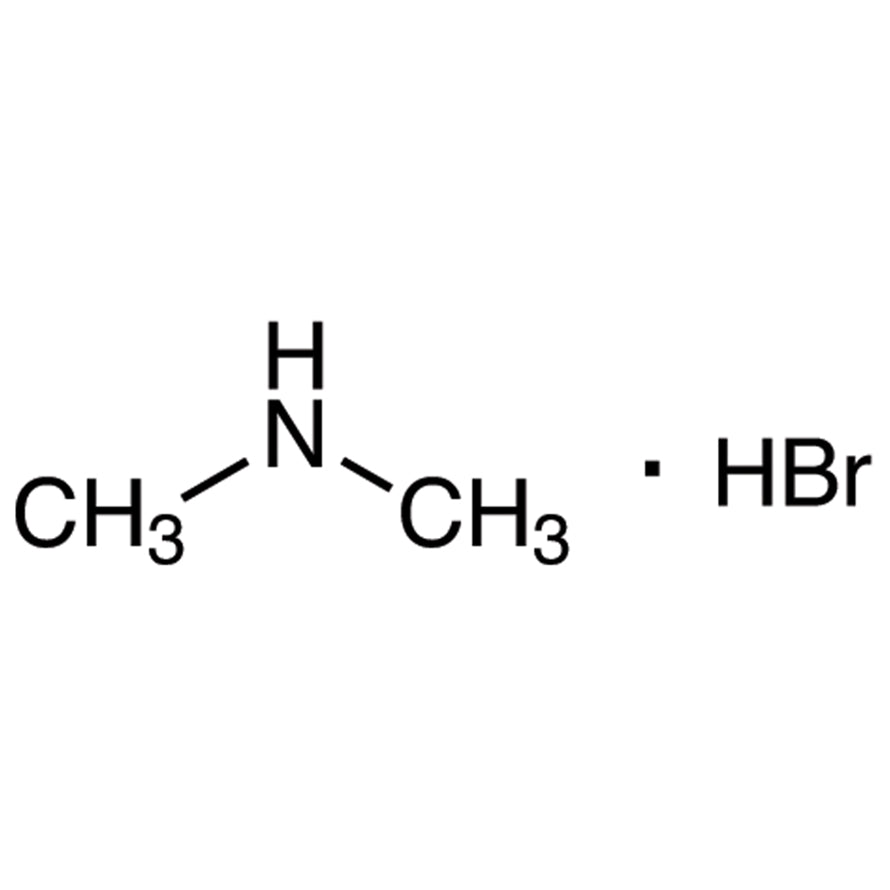
Dimethylamine Hydrobromide (DMABr), with the CAS number 6912-12-5, is a chemical compound widely used in scientific research, particularly in the field of electronic materials and energy. This compound plays a crucial role in the synthesis and characterization of perovskite materials, which are central to the development of perovskite solar cells (PSCs). Due to its chemical stability and controlled reactivity, DMABr enables researchers to fine-tune the electronic and optical properties of perovskite materials, making it an essential component in advanced material research. Its versatility and reliability make it a preferred choice for laboratories working on renewable energy technologies.
DMABr is valued for its chemical stability, which ensures consistent performance during synthesis processes. Its reactivity can be precisely controlled, allowing for the creation of perovskite materials with desired properties. These characteristics are vital for achieving high efficiency in solar cell applications. Additionally, the compound is available in various packaging options, making it suitable for both small-scale and large-scale experiments. This flexibility supports a wide range of research activities, from fundamental studies to applied technological development.
In Indonesian laboratories, DMABr is commonly used by researchers in higher education institutions and research organizations. Its role in the development of renewable energy technologies aligns with national and international efforts to promote sustainable energy solutions. The compound’s availability and reliability make it a go-to material for scientists working on perovskite-based solar cells and related applications.
- Perovskite Solar Cell Fabrication: DMABr is essential for synthesizing perovskite materials, contributing to the development of high-efficiency solar cells.
- Electronic Material Characterization: Its stable properties make it suitable for testing and analyzing the optical and electronic behavior of perovskite compounds.
- Renewable Energy Research: DMABr supports studies aimed at improving the performance and stability of perovskite-based photovoltaic devices.
- Material Synthesis Protocols: The compound is used in controlled synthesis processes to produce perovskite materials with consistent quality and desired properties.
- Chemical Reaction Optimization: Its reactivity allows researchers to fine-tune reaction conditions for the production of advanced electronic materials.
| Brand | TCI |
|---|---|
| CAS number | 6912-12-5 |
| Molecular formula | — |
| Purity | — |
| Category | Materials Science > Electronic Materials > Perovskite Solar Cell (PSC) Materials |
| Pack sizes | Available in various packaging options for different experimental scales |
| Physical form | Solid (may vary depending on supplier) |
| Storage | Store in a cool, dry place away from moisture and direct sunlight |
DMABr should be stored in a cool, dry environment to maintain its chemical stability. It is recommended to use airtight containers to prevent exposure to moisture, which can affect its properties. Since it is a bromide salt, it is important to handle it with care to avoid inhalation or skin contact. In laboratory settings, proper personal protective equipment such as gloves and safety goggles should be worn when handling this compound. It should be kept away from incompatible substances like strong oxidizers. Regular monitoring of storage conditions ensures the compound remains suitable for use in research applications.
—
Produk Terkait
-
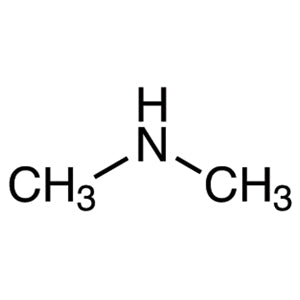
Dimethylamine(ca.11%inIsopropylAlcohol,ca.2mol/L) TCI D4198
Regular price From Rp 717.150,00Regular price -
DimethylamineHydroiodide TCI D4555
Regular price From Rp 1.298.850,00Regular price -
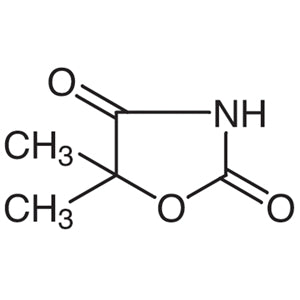
5,5-Dimethyl-2,4-oxazolidinedione TCI D0003
Regular price From Rp 1.510.950,00Regular price -
2,6-Dibromoaniline TCI D0004
Regular price From Rp 2.306.850,00Regular price -
trans-Decahydronaphthalene TCI D0007
Regular price From Rp 928.200,00Regular price -
Decahydronaphthalene(cis-andtrans-mixture) TCI D0008
Regular price From Rp 452.550,00Regular price -
cis-Decahydronaphthalene TCI D0009
Regular price From Rp 1.353.450,00Regular price -
Decane TCI D0011
Regular price From Rp 477.750,00Regular price