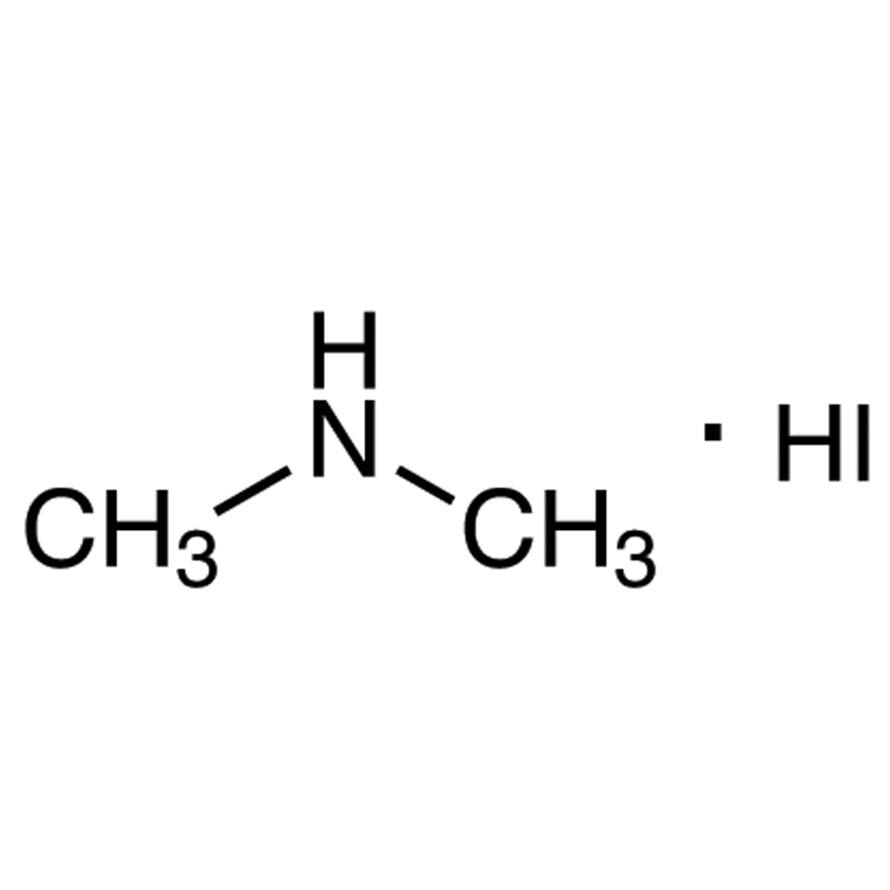
Dimethylamine Hydroiodide (DMAI), with the CAS number 51066-74-1, is a chemical compound widely used in scientific and technological applications, particularly in the research and development of perovskite solar cell (PSC) materials. As a key component in the synthesis of perovskite materials, DMAI plays a crucial role in forming the active layer that exhibits unique optical and electronic properties. This compound is essential for creating high-performance photovoltaic devices, contributing to advancements in renewable energy technologies. Its chemical stability and reactivity make it a valuable reagent in various synthetic processes within the laboratory.
DMAI is preferred due to its unique chemical properties, including its ability to form stable ionic complexes and its reactivity under specific conditions. These characteristics allow for precise control over the crystalline structure and optical properties of perovskite materials. Additionally, DMAI demonstrates good solubility in organic solvents, which facilitates mixing and precipitation processes in the laboratory. This solubility feature is particularly beneficial for researchers aiming to optimize the performance of perovskite-based solar cells.
In Indonesian laboratories, DMAI is extensively used in perovskite material research, especially by academic and industrial institutions focused on renewable energy solutions. Its application supports the development of next-generation solar technologies, making it an essential component in the field of materials science and photovoltaic research.
- Perovskite Solar Cell Fabrication: DMAI is used to synthesize perovskite materials, which are critical for creating efficient and cost-effective solar cells.
- Thin Film Deposition: Its solubility in organic solvents allows for the preparation of uniform thin films, essential for high-quality perovskite layers.
- Material Characterization Studies: DMAI enables the study of perovskite structures and their optical properties, aiding in the optimization of device performance.
- Chemical Synthesis Reactions: The compound’s reactivity supports various synthetic pathways in the preparation of perovskite precursors.
- Research and Development in Renewable Energy: DMAI is integral to the development of new materials that contribute to sustainable energy solutions.
| Brand | TCI |
|---|---|
| CAS number | 51066-74-1 |
| Molecular formula | — |
| Purity | — |
| Category | Materials Science > Electronic Materials > Perovskite Solar Cell (PSC) Materials |
| Pack sizes | Available in various quantities as per supplier specifications |
| Physical form | Solid powder |
| Storage | Store in a cool, dry place away from moisture and direct sunlight |
DMAI should be stored in a cool, dry environment to maintain its chemical stability. It is recommended to use airtight containers to prevent exposure to moisture and air, which can affect its reactivity. Due to its chemical nature, it should be handled in a well-ventilated laboratory setting, with appropriate personal protective equipment such as gloves and safety goggles. Avoid contact with skin and eyes, and ensure proper disposal of any unused material in accordance with local regulations. Regular monitoring of storage conditions ensures the material remains suitable for use in scientific applications.
—
Produk Terkait
-
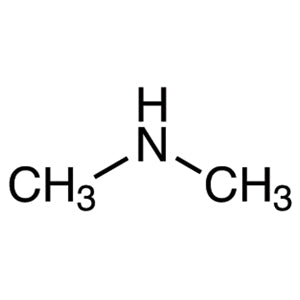
Dimethylamine(ca.11%inIsopropylAlcohol,ca.2mol/L) TCI D4198
Regular price From Rp 717.150,00Regular price -
DimethylamineHydrobromide TCI D5092
Regular price From Rp 452.550,00Regular price -
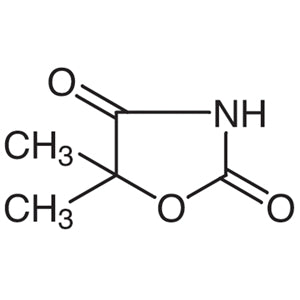
5,5-Dimethyl-2,4-oxazolidinedione TCI D0003
Regular price From Rp 1.510.950,00Regular price -
2,6-Dibromoaniline TCI D0004
Regular price From Rp 2.306.850,00Regular price -
trans-Decahydronaphthalene TCI D0007
Regular price From Rp 928.200,00Regular price -
Decahydronaphthalene(cis-andtrans-mixture) TCI D0008
Regular price From Rp 452.550,00Regular price -
cis-Decahydronaphthalene TCI D0009
Regular price From Rp 1.353.450,00Regular price -
Decane TCI D0011
Regular price From Rp 477.750,00Regular price