2,2-Dimethyl-1,3-dioxacyclohept-5-ene is a cyclic organic compound characterized by its unique seven-membered ring structure containing two oxygen atoms and two methyl groups at the second position. This compound plays a crucial role in laboratory settings as a building block for the synthesis of complex organic molecules. Its structural versatility allows chemists to design and create a wide range of chemical compounds through various reaction pathways. In the context of chemical research, it serves as a fundamental tool for advancing synthetic methodologies and exploring new chemical transformations.
The compound’s chemical stability and controlled reactivity make it a preferred choice for researchers. Its ability to participate in substitution, condensation, and cyclization reactions provides a reliable platform for developing new compounds. The presence of oxygen atoms in the ring enhances its functional versatility, enabling it to interact with different reagents and participate in diverse synthetic strategies. These properties make it a valuable asset in both academic and industrial research environments.
In Indonesian laboratories, this compound is commonly used in organic chemistry research, particularly in the synthesis of complex organic and heterocyclic compounds. Its unique structure supports the development of new materials and pharmaceuticals, contributing to advancements in chemical science. The compound’s reliability and adaptability make it a staple in the chemical laboratories of Indonesia, supporting both educational and research activities.
Related TCI products
- TCI D5200 57280-22-5 4,4-Dimethyl-3,5,8-trioxabicyclo[5.1.0]octane
- TCI B3905 847682-00-2 1,3-Bis[(2,2-dimethyl-1,3-dioxan-5-yl)oxy]-2-propanol
- TCI B1901 36255-44-4 3-Bromopropionaldehyde Dimethyl Acetal
- TCI B1197 1125-88-8 Benzaldehyde Dimethyl Acetal
- TCI B1158 1455-42-1 3,9-Bis(1,1-dimethyl-2-hydroxyethyl)-2,4,8,10-tetraoxaspiro[5.5]undecane
- TCI B1097 7252-83-7 Bromoacetaldehyde Dimethyl Acetal (stabilized with K2CO3)
- Organic synthesis applications benefit from this compound's cyclic structure, enabling the creation of complex molecules with high structural diversity.
- Heterocyclic compound development leverages its oxygen-containing ring, facilitating the synthesis of bioactive and pharmaceutical substances.
- Intermediate production in chemical research utilizes its stability and reactivity to form key components in multi-step synthetic processes.
- Material science research employs its structural characteristics to design new polymers and functional materials with specific properties.
- Analytical chemistry experiments use its well-defined structure for calibration and as a reference standard in chemical analysis.
| Brand | TCI |
|---|---|
| CAS number | 1003-83-4 |
| Molecular formula | — |
| Purity | — |
| Category | Chemistry > Building Blocks > Non-Heterocyclic Building Blocks |
| Pack sizes | Available in standard laboratory quantities as per supplier specifications |
| Physical form | Solid or liquid, depending on the specific product formulation |
| Storage | Store in a cool, dry place away from direct sunlight and incompatible materials |
This compound should be stored in a cool, dry environment to maintain its chemical stability. It is recommended to use sealed containers to prevent exposure to moisture and air, which can affect its reactivity. Proper labeling of storage containers is essential for safety and traceability. In laboratory settings, it should be handled with appropriate personal protective equipment, including gloves and safety goggles. Storage should be away from incompatible substances such as strong oxidizers or acids to prevent unwanted reactions. Regular monitoring of storage conditions ensures the compound remains suitable for use in chemical synthesis and research applications.
—
Product Categories
Produk Terkait
-
4,4-Dimethyl-3,5,8-trioxabicyclo[5.1.0]octane TCI D5200
Regular price From Rp 743.400,00Regular price -
1,3-Bis[(2,2-dimethyl-1,3-dioxan-5-yl)oxy]-2-propanol TCI B3905
Regular price Rp 3.340.050,00Regular price -
3-BromopropionaldehydeDimethylAcetal TCI B1901
Regular price From Rp 2.359.350,00Regular price -
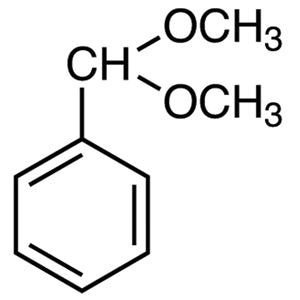
BenzaldehydeDimethylAcetal TCI B1197
Regular price From Rp 477.750,00Regular price -
3,9-Bis(1,1-dimethyl-2-hydroxyethyl)-2,4,8,10-tetraoxaspiro[5.5]undecane TCI B1158
Regular price From Rp 1.008.000,00Regular price -
BromoacetaldehydeDimethylAcetal(stabilizedwithK2CO3) TCI B1097
Regular price From Rp 1.298.850,00Regular price -
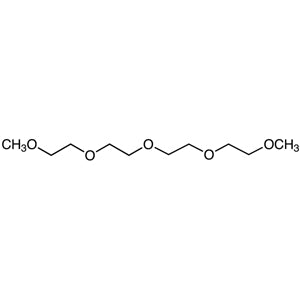
TetraethyleneGlycolDimethylEther TCI B0497
Regular price From Rp 477.750,00Regular price -
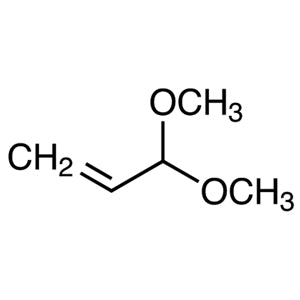
AcroleinDimethylAcetal TCI A2455
Regular price From Rp 2.757.300,00Regular price
![4,4-Dimethyl-3,5,8-trioxabicyclo[5.1.0]octane (CAS 57280-22-5) - TCI D5200 - AMI Scientific](http://amiscientific.com/cdn/shop/files/TCI2510D5200.jpg?v=1767108500&width=533)
![847682-00-2 1,3-Bis[(2,2-dimethyl-1,3-dioxan-5-yl)oxy]-2-propanol - AMI Scientific](http://amiscientific.com/cdn/shop/files/TCI2510B3905.jpg?v=1768815545&width=533)

![1455-42-1 3,9-Bis(1,1-dimethyl-2-hydroxyethyl)-2,4,8,10-tetraoxaspiro[5.5]undecane - AMI Scientific](http://amiscientific.com/cdn/shop/files/TCI2510B1158_609993f6-3ef5-43f1-b023-4ccd96c49dd8.jpg?v=1767231560&width=533)