1,6-Di-O-acetyl-2,3,4-tri-O-benzyl-alpha-D-mannopyranose is a complex chemical compound widely used in laboratory research across chemistry and biology. As a glycoside, it features a carbohydrate structure with specific functional group substitutions, making it a valuable tool for molecular studies. This compound is commonly found in advanced chemical biology and glycoscience applications, where its unique structure supports detailed investigations into molecular interactions and biological activities. Its presence in research settings highlights its importance in understanding complex biochemical processes and developing new therapeutic strategies.
The compound’s chemical stability under controlled conditions makes it a preferred choice for laboratory use. The presence of benzyl and acetyl groups contributes to its structural integrity, enabling controlled chemical reactions and synthesis processes. Additionally, its solubility in organic solvents simplifies purification and isolation steps, enhancing experimental efficiency. These properties collectively make it an essential reagent for researchers working on molecular structure analysis, drug development, and biochemical interactions.
In Indonesian laboratories, this compound is frequently used in chemical, molecular biology, and pharmacological research. Its role in synthesizing complex molecules and studying biological activities makes it a key component in academic and industrial research settings. The compound’s versatility and stability ensure its continued relevance in various scientific investigations, supporting both fundamental and applied research objectives.
- Molecular structure analysis: This compound is ideal for studying the structural characteristics of carbohydrates, aiding in the understanding of glycosidic linkages and functional group behavior.
- Drug development: Its unique structure supports the synthesis of complex pharmaceutical compounds, making it useful in the design of new therapeutic agents.
- Glycoscience research: It is frequently used in studies involving carbohydrate-based molecules, contributing to the exploration of their biological and chemical properties.
- Biochemical interactions: The compound’s stability and reactivity make it suitable for investigating molecular interactions and biological activity in controlled environments.
- Organic synthesis: Its solubility and reactivity make it a valuable reagent in the synthesis of complex organic compounds, supporting a wide range of chemical processes.
| Brand | TCI |
|---|---|
| CAS number | 65556-30-1 |
| Molecular formula | — |
| Purity | — |
| Category | Chemistry > Chemical Biology > Glycoscience |
| Pack sizes | Available in various quantities as per supplier specifications |
| Physical form | Solid powder |
| Storage | Store in a cool, dry place away from direct light |
This compound should be stored in a cool, dry environment, away from direct sunlight and sources of heat. It is recommended to use airtight containers to prevent moisture absorption and maintain its chemical integrity. Since it is a solid powder, it should be handled with care to avoid contamination. Laboratory personnel should wear appropriate personal protective equipment, such as gloves and safety goggles, when handling the compound. The compound is stable under normal laboratory conditions but should be kept in a secure location to prevent accidental exposure. Proper storage ensures its effectiveness and safety in research applications.
—
Produk Terkait
-
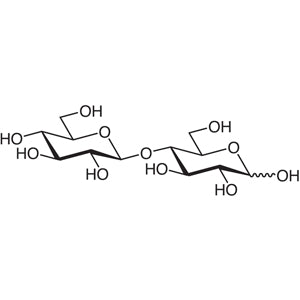
D-(+)-Cellobiose TCI C0056
Regular price From Rp 875.700,00Regular price -
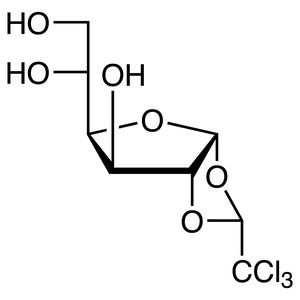
alpha-Chloralose(containsbeta-isomer) TCI C0074
Regular price Rp 848.400,00Regular price -
ChondroitinSulfateSodiumSalt TCI C0335
Regular price From Rp 2.068.500,00Regular price -
alpha-Cyclodextrin TCI C0776
Regular price From Rp 689.850,00Regular price -
beta-Cyclodextrin TCI C0777
Regular price From Rp 2.094.750,00Regular price -
alpha-D-CellobioseOctaacetate TCI C0861
Regular price Rp 2.518.950,00Regular price -
gamma-Cyclodextrin TCI C0869
Regular price From Rp 1.087.800,00Regular price -
beta-Cyclodextrin TCI C0900
Regular price From Rp 505.050,00Regular price