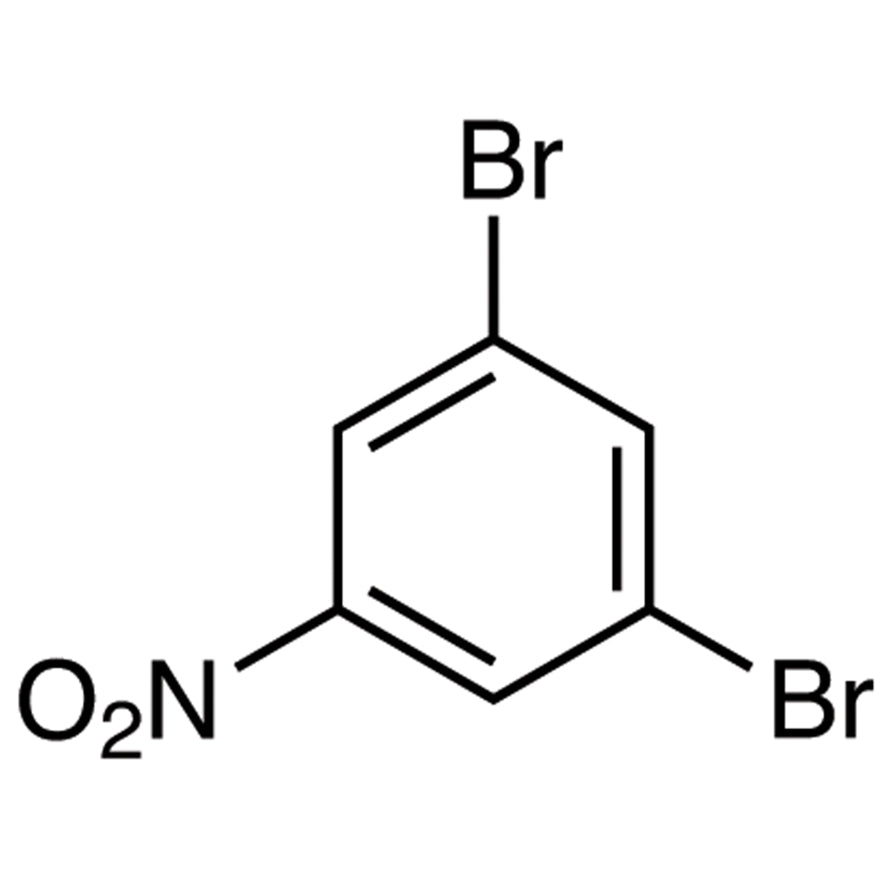
1,3-Dibromo-5-nitrobenzene is an organic chemical compound with an aromatic structure featuring bromo and nitro substituents. This compound serves as a key building block in synthetic chemistry, particularly in the development of complex molecules. Its role in the laboratory is critical for researchers aiming to create new compounds through substitution and redox reactions. As a fundamental reagent, it is widely used in the synthesis of various organic and pharmaceutical compounds. Its versatility and reactivity make it an essential component in modern chemical research and development.
The chemical properties of 1,3-Dibromo-5-nitrobenzene, including its high melting and boiling points, contribute to its stability under controlled conditions. The presence of two bromine atoms and one nitro group enhances its reactivity, allowing it to participate in a wide range of chemical transformations. These characteristics make it a preferred choice for chemists working on synthetic pathways that require precise control over reaction conditions. Its molecular structure also enables it to be a valuable intermediate in the production of pharmaceuticals and specialty chemicals.
In Indonesian laboratories, 1,3-Dibromo-5-nitrobenzene is commonly used in organic synthesis and research projects. It is particularly favored for its ability to undergo various chemical reactions, making it suitable for the development of new compounds. Its applications span across multiple fields, including pharmaceuticals, materials science, and industrial chemistry. Researchers in Indonesia rely on this compound for its reliability and effectiveness in achieving desired chemical outcomes.
Related TCI products
- Organic synthesis is a primary application where 1,3-Dibromo-5-nitrobenzene is used as a versatile building block for creating complex molecules through substitution reactions.
- Pharmaceutical research benefits from this compound due to its reactivity, which allows for the synthesis of drug precursors and active pharmaceutical ingredients.
- Material science applications utilize its chemical stability and reactivity to develop new polymers and functional materials with specific properties.
- Redox reaction studies often incorporate this compound because of its ability to participate in electron transfer processes under controlled conditions.
- Industrial chemical production relies on its availability and reactivity for the synthesis of specialty chemicals and intermediates.
| Brand | TCI |
|---|---|
| CAS number | 6311-60-0 |
| Molecular formula | — |
| Purity | — |
| Category | Chemistry > Building Blocks > Non-Heterocyclic Building Blocks |
| Pack sizes | Available in various quantities as per supplier specifications |
| Physical form | Solid |
| Storage | Store in a cool, dry place away from light and incompatible materials |
This compound should be stored in a cool, dry environment, away from direct sunlight and sources of heat. It is recommended to use airtight containers made of materials that are chemically inert, such as glass or high-density polyethylene, to prevent contamination and degradation. Due to its reactivity, it should be kept away from strong oxidizing agents and reducing agents. Proper labeling and safe handling procedures are essential to ensure laboratory safety. Always use appropriate personal protective equipment when handling this compound to minimize exposure risks.
—
Produk Terkait
-
1,2-Dibromo-4-nitrobenzene TCI D5486
Regular price From Rp 689.850,00Regular price -
2,4-Dibromo-1-nitrobenzene TCI D4790
Regular price From Rp 769.650,00Regular price -
1,4-Dibromo-2-nitrobenzene TCI D0196
Regular price From Rp 1.590.750,00Regular price -
1-Bromo-2-chloro-4-nitrobenzene TCI B5348
Regular price From Rp 1.298.850,00Regular price -
1-Benzyloxy-4-nitrobenzene TCI B4706
Regular price Rp 5.300.400,00Regular price -
4-Bromo-1-chloro-2-nitrobenzene TCI B4374
Regular price From Rp 1.246.350,00Regular price -
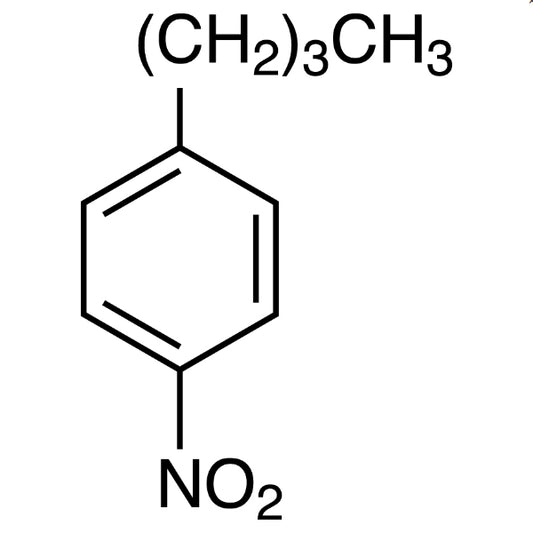
1-Butyl-4-nitrobenzene TCI B3092
Regular price From Rp 5.380.200,00Regular price -
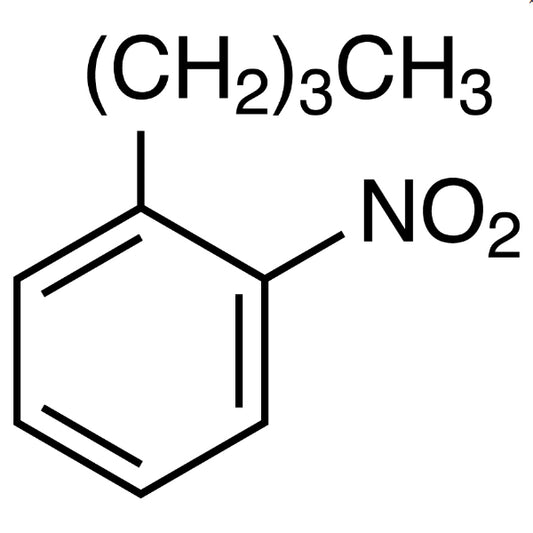
1-Butyl-2-nitrobenzene TCI B3091
Regular price From Rp 3.287.550,00Regular price