1-Butyl-2-nitrobenzene is a chemical compound widely used in laboratory settings as a foundational building block for various synthetic reactions. It plays a crucial role in organic chemistry, particularly in the synthesis of complex molecules. This compound is commonly utilized in substitution, oxidation, and reduction reactions due to its reactivity and structural versatility. Its presence in the category of non-heterocyclic building blocks highlights its importance in the development of new chemical structures.
The compound’s stability and ability to form bonds with different functional groups make it a preferred choice for chemists. It exhibits polar characteristics, allowing it to dissolve in organic solvents such as ethyl acetate and chloroform. These properties contribute to its effectiveness in a wide range of chemical processes. Additionally, its capacity to participate in aromatic substitution reactions enhances its utility in synthetic pathways.
In Indonesian laboratories, 1-Butyl-2-nitrobenzene is extensively used in organic chemistry research. It is a key reagent in academic and research institutions, supporting the development of new compounds and materials. Its availability and reliability make it a popular choice for both educational and industrial applications. The compound’s versatility ensures its continued relevance in chemical synthesis and experimentation.
- Aromatic Substitution Synthesis: This compound is ideal for substitution reactions on aromatic rings due to its nitro group, enabling the creation of diverse aromatic derivatives.
- Organic Compound Development: Its structural versatility makes it a valuable tool in the synthesis of complex organic molecules, supporting research in pharmaceutical and material sciences.
- Oxidation and Reduction Reactions: The compound’s reactivity allows it to participate in redox processes, making it suitable for studies involving electron transfer mechanisms.
- Teaching and Research in Universities: It is commonly used in academic laboratories to demonstrate fundamental chemical reactions and synthetic techniques.
- Industrial Chemical Production: Its stability and solubility properties make it a reliable component in the production of specialty chemicals and intermediates.
| Brand | TCI |
|---|---|
| CAS number | 7137-55-5 |
| Molecular formula | — |
| Purity | — |
| Category | Chemistry > Building Blocks > Non-Heterocyclic Building Blocks |
| Pack sizes | Available in various quantities as per standard laboratory supply |
| Physical form | Liquid |
| Storage | Store in a cool, dry place away from direct sunlight and incompatible materials |
This compound should be stored in a cool, dry environment, away from direct sunlight and sources of heat. It is recommended to use airtight containers made of glass or polyethylene to prevent contamination and evaporation. Due to its polar nature, it is important to handle it with care to avoid exposure to skin or inhalation. Ensure proper ventilation in the laboratory when working with this compound. Keep it away from strong oxidizing agents and flammable materials to prevent potential chemical interactions. Always follow standard laboratory safety protocols when handling and storing reactive chemicals.
—
Produk Terkait
-
1-Bromo-2-chloro-4-nitrobenzene TCI B5348
Regular price From Rp 1.298.850,00Regular priceRp 908.250,00Sale price From Rp 1.298.850,00 -
1-Benzyloxy-4-nitrobenzene TCI B4706
Regular price Rp 5.300.400,00Regular priceRp 3.706.500,00Sale price Rp 5.300.400,00 -
4-Bromo-1-chloro-2-nitrobenzene TCI B4374
Regular price From Rp 1.246.350,00Regular priceRp 871.500,00Sale price From Rp 1.246.350,00 -
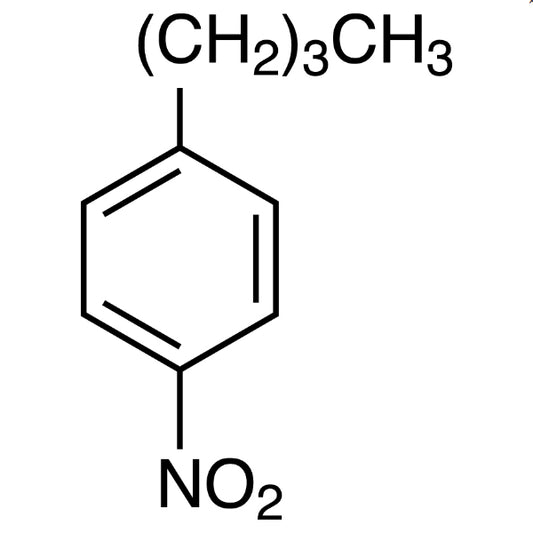
1-Butyl-4-nitrobenzene TCI B3092
Regular price From Rp 5.380.200,00Regular priceRp 3.762.150,00Sale price From Rp 5.380.200,00 -
1-Bromo-4-nitrobenzene TCI B0624
Regular price From Rp 1.908.900,00Regular priceRp 1.334.550,00Sale price From Rp 1.908.900,00 -
1-Bromo-3-nitrobenzene TCI B0623
Regular price From Rp 1.538.250,00Regular priceRp 1.075.200,00Sale price From Rp 1.538.250,00 -
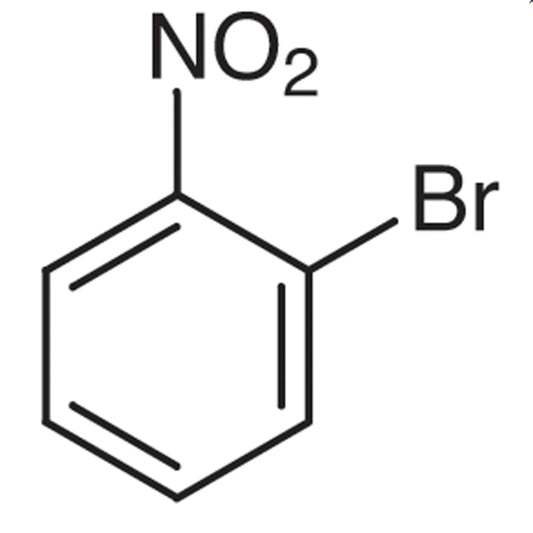
1-Bromo-2-nitrobenzene TCI B0622
Regular price From Rp 1.936.200,00Regular priceRp 1.353.450,00Sale price From Rp 1.936.200,00 -
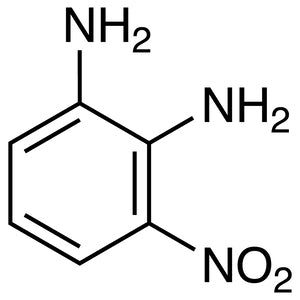
3-Nitrobenzene-1,2-diamine TCI N1301
Regular price From Rp 1.008.000,00Regular priceRp 720.300,00Sale price From Rp 1.008.000,00