1-Butyl-4-nitrobenzene is a chemical compound widely used in organic laboratory reactions as a key building block. It serves as a versatile intermediate in the synthesis of various nitrogen-containing compounds, including amines, amides, and nitro derivatives. This compound is essential for chemists working on complex molecular structures, offering a reliable foundation for further chemical transformations. Its presence in laboratory workflows supports both academic research and industrial development, making it a fundamental reagent in modern organic chemistry.
The compound's aromatic structure, combined with a nitro group and a butyl chain, gives it high reactivity under different chemical conditions. It exhibits good stability and is capable of participating in electrophilic substitution reactions, which are common in synthetic pathways. The compound’s relatively high boiling and melting points make it suitable for processes requiring controlled heating or cooling. Additionally, its solubility in organic solvents simplifies dissolution and separation techniques, enhancing its utility in laboratory settings.
In Indonesian laboratories, 1-Butyl-4-nitrobenzene is a critical component for organic chemistry research, particularly in higher education institutions and research centers. It is frequently used in projects focused on the synthesis of complex organic molecules, supporting both teaching and innovation. Its availability and chemical properties make it an essential reagent for students and researchers alike, contributing to the advancement of chemical sciences in the region.
- Organic synthesis projects benefit from 1-Butyl-4-nitrobenzene due to its reactivity and role as a building block for nitrogen-containing compounds.
- It is ideal for electrophilic substitution reactions because of its aromatic structure and functional groups, enabling the formation of diverse chemical products.
- In academic research, this compound supports the development of new synthetic methods and the exploration of molecular transformations.
- Its solubility in organic solvents makes it suitable for purification and isolation processes in laboratory workflows.
- It is commonly used in teaching laboratories to demonstrate key chemical reactions and principles in organic chemistry.
| Brand | TCI |
|---|---|
| CAS number | 20651-75-6 |
| Molecular formula | — |
| Purity | — |
| Category | Chemistry > Building Blocks > Non-Heterocyclic Building Blocks |
| Pack sizes | Available in standard laboratory quantities |
| Physical form | Liquid |
| Storage | Store in a cool, dry place away from direct sunlight |
1-Butyl-4-nitrobenzene should be stored in a cool, dry environment, away from direct sunlight and sources of heat. It is recommended to keep the compound in a sealed container to prevent evaporation and contamination. Due to its chemical nature, it should be handled in a well-ventilated area, and appropriate personal protective equipment, such as gloves and safety goggles, should be worn. Avoid contact with skin and eyes, and ensure proper disposal of any waste following standard laboratory safety protocols. The compound is not flammable but may pose health risks if inhaled or ingested, so caution should always be exercised during handling.
—
Produk Terkait
-
1-Bromo-2-chloro-4-nitrobenzene TCI B5348
Regular price From Rp 1.298.850,00Regular priceRp 908.250,00Sale price From Rp 1.298.850,00 -
1-Benzyloxy-4-nitrobenzene TCI B4706
Regular price Rp 5.300.400,00Regular priceRp 3.706.500,00Sale price Rp 5.300.400,00 -
4-Bromo-1-chloro-2-nitrobenzene TCI B4374
Regular price From Rp 1.246.350,00Regular priceRp 871.500,00Sale price From Rp 1.246.350,00 -
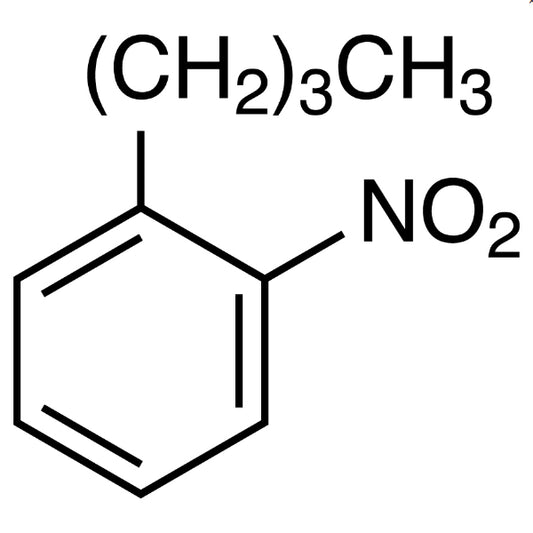
1-Butyl-2-nitrobenzene TCI B3091
Regular price From Rp 3.287.550,00Regular priceRp 2.298.450,00Sale price From Rp 3.287.550,00 -
1-Bromo-4-nitrobenzene TCI B0624
Regular price From Rp 1.908.900,00Regular priceRp 1.334.550,00Sale price From Rp 1.908.900,00 -
1-Bromo-3-nitrobenzene TCI B0623
Regular price From Rp 1.538.250,00Regular priceRp 1.075.200,00Sale price From Rp 1.538.250,00 -
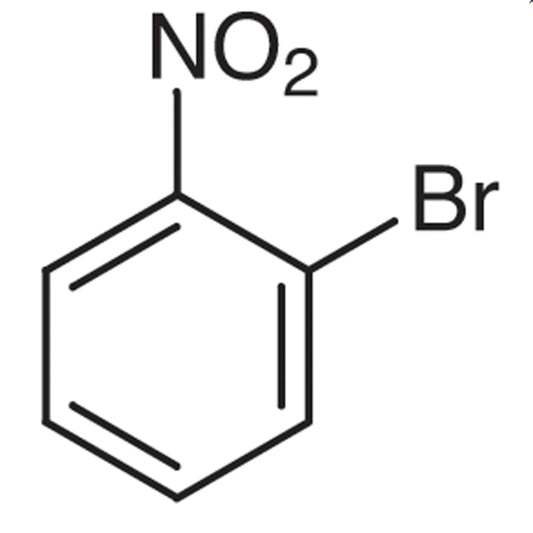
1-Bromo-2-nitrobenzene TCI B0622
Regular price From Rp 1.936.200,00Regular priceRp 1.353.450,00Sale price From Rp 1.936.200,00 -
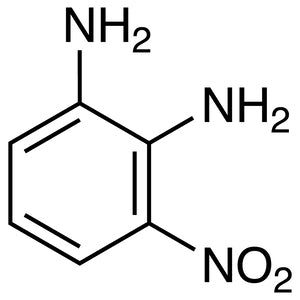
3-Nitrobenzene-1,2-diamine TCI N1301
Regular price From Rp 1.008.000,00Regular priceRp 720.300,00Sale price From Rp 1.008.000,00