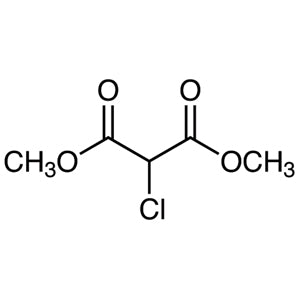
Dimethyl Chloromalonate (DMCM), with the CAS number 28868-76-0, is a versatile chemical compound widely used in organic synthesis as a building block in laboratory settings. It serves as a key intermediate in the preparation of various organic compounds, including heterocyclic structures and long-chain molecules. Its simple chemical structure provides a foundation for complex chemical transformations, making it an essential tool for synthetic chemists. This compound is particularly valuable in nucleophilic and substitution reactions due to its reactivity and functional group versatility.
DMCM is preferred for its high reactivity, especially at the carbonyl group, which allows it to participate in a wide range of chemical reactions. It readily reacts with nucleophiles such as amines, alcohols, and hydroxide ions, enabling the synthesis of diverse organic products. Its stability under certain conditions also contributes to its usability, facilitating long-term storage and consistent performance in experiments. These properties make it a popular choice among researchers and chemists working in both academic and industrial laboratories.
In Indonesian laboratories, DMCM is commonly used in both fundamental and applied chemical research. It plays a crucial role in the development of new compounds and the study of reaction mechanisms. Its availability and reliability make it a standard reagent in chemical synthesis processes, supporting advancements in organic chemistry and analytical techniques. Researchers in Indonesia rely on DMCM for its consistent performance and adaptability in various experimental setups.
Related TCI products
- Organic synthesis is a primary application where DMCM is used to create complex molecules through nucleophilic substitution and other reaction mechanisms.
- Heterocyclic compound preparation benefits from DMCM’s ability to form stable intermediates that can be further modified into various ring structures.
- Long-chain molecule synthesis relies on DMCM as a starting material that can be extended through chain elongation reactions.
- Analytical chemistry applications utilize DMCM as a standard reference material in qualitative and quantitative analysis procedures.
- Research and development projects in chemical industries frequently incorporate DMCM to test new synthetic pathways and reaction conditions.
| Brand | TCI |
|---|---|
| CAS number | 28868-76-0 |
| Molecular formula | — |
| Purity | — |
| Category | Chemistry > Building Blocks > Non-Heterocyclic Building Blocks |
| Pack sizes | Available in various quantities as per supplier specifications |
| Physical form | Liquid |
| Storage | Store in a cool, dry place away from direct sunlight and incompatible materials |
DMCM should be stored in a cool, dry environment, away from direct sunlight and sources of heat. It is recommended to use airtight containers made of materials that are chemically inert, such as glass or polyethylene, to prevent contamination and degradation. Due to its reactivity, it should be kept separate from strong bases, nucleophiles, and oxidizing agents. In laboratory settings, proper personal protective equipment should always be worn when handling DMCM to ensure safety. Regular monitoring of storage conditions is advised to maintain the compound's stability and effectiveness for use in chemical experiments.
—
Produk Terkait
-
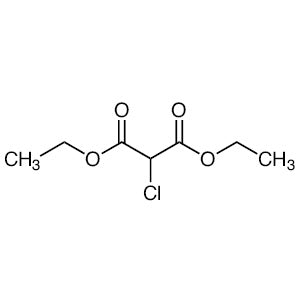
Diethyl2-Chloromalonate TCI D3395
Regular price From Rp 1.670.550,00Regular price -
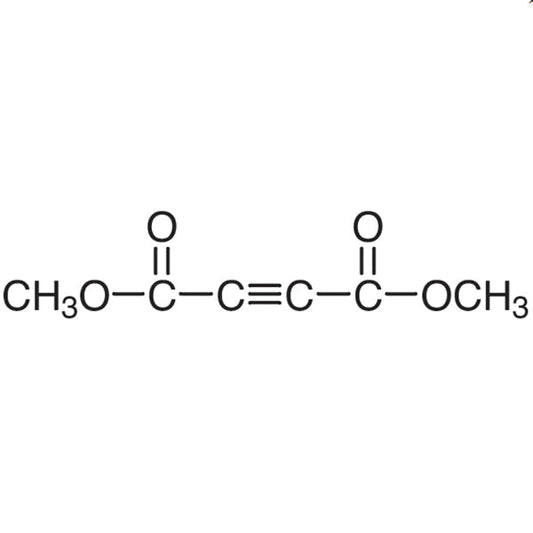
DimethylAcetylenedicarboxylate TCI A0090
Regular price From Rp 2.041.200,00Regular price -
Dimethyl1,3-Acetonedicarboxylate TCI A0056
Regular price From Rp 1.298.850,00Regular price -
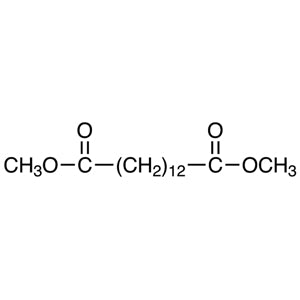
DimethylTetradecanedioate TCI T1726
Regular price From Rp 2.411.850,00Regular price -
1-Bromo-3,3-dimethyl-2-butanone TCI B1490
Regular price From Rp 2.094.750,00Regular price -
Dimethyl4,4'-Biphenyldicarboxylate TCI B1309
Regular price From Rp 875.700,00Regular price -
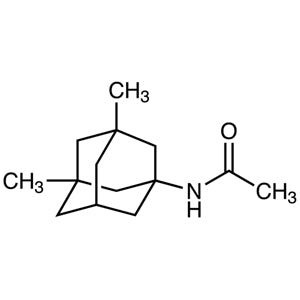
N-Acetyl-3,5-dimethyl-1-adamantanamine TCI A2653
Regular price Rp 3.949.050,00Regular price -
DimethylAzobenzene-4,4'-dicarboxylate TCI A1581
Regular price From Rp 2.571.450,00Regular price