


5,10-Dihydrophenazine is a chemical compound classified under the heterocyclic category, featuring a complex structure composed of an aromatic ring with two nitrogen atoms. This compound plays a crucial role in the laboratory as a fundamental building block for the synthesis of various organic compounds. Its unique structure makes it a versatile tool for chemists aiming to create complex molecules with specific functional groups. In research settings, it is widely used for its ability to participate in multiple chemical reactions, offering a reliable foundation for the development of new compounds.
The stability of its chemical structure and controlled reactivity make 5,10-Dihydrophenazine a preferred choice among researchers. It exhibits the ability to form bonds with a variety of functional groups, enabling flexible structural modifications. This adaptability allows it to be integrated into diverse synthetic pathways, supporting the creation of pharmaceuticals, industrial chemicals, and bioactive compounds. Its consistent performance across different reaction conditions enhances its value in both academic and industrial research environments.
In Indonesian laboratories, 5,10-Dihydrophenazine is commonly used in organic chemistry research, particularly by academic institutions and research organizations. Its availability in small pack sizes like 1g and 5g facilitates easy handling and experimentation. The compound is essential for advancing chemical synthesis and exploring new applications in drug development and material science.
TCI brochures (PDF)
- Building Blocks for Organic Semiconductor 2026-03-24 · p. 34
Related TCI products
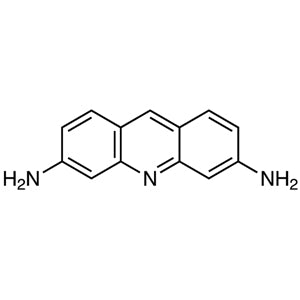
- TCI A3219 92-62-6 Acridine-3,6-diamine
- TCI M3538 1502-47-2 Melem
- TCI M3068 2098786-35-5 10-[2-(2-Methoxyethoxy)ethyl]-10H-phenothiazine
- TCI I1098 243-59-4 6H-Indolo[2,3-b]quinoxaline
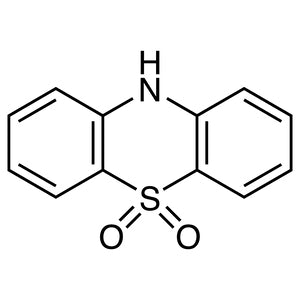
- TCI D6164 1209-66-1 10H-Phenothiazine 5,5-Dioxide
- TCI D3743 54660-00-3 3,6-Diphenyl-2,5-dihydropyrrolo[3,4-c]pyrrole-1,4-dione
- Organic synthesis applications benefit from 5,10-Dihydrophenazine due to its ability to form stable intermediates and participate in nitrogen-carbon bond formation.
- Pharmaceutical research utilizes this compound as a key building block for the development of new drugs with specific biological activities.
- Industrial chemical synthesis relies on 5,10-Dihydrophenazine for the creation of functionalized compounds used in various chemical processes.
- Academic research in Indonesian universities employs this compound to explore novel synthetic pathways and molecular structures.
- Functional group modification projects leverage the reactivity of 5,10-Dihydrophenazine to create diverse chemical derivatives with tailored properties.
| Brand | TCI |
|---|---|
| CAS number | 613-32-1 |
| Molecular formula | — |
| Purity | — |
| Category | Chemistry > Building Blocks > Heterocyclic Building Blocks |
| Pack sizes | 1g, 5g |
| Physical form | Solid |
| Storage | Store in a cool, dry place away from light and moisture |
5,10-Dihydrophenazine should be stored in a cool, dry environment, away from direct light and moisture to maintain its chemical stability. It is recommended to use airtight containers to prevent exposure to air and humidity, which could affect its integrity. In laboratory settings, proper ventilation should be ensured when handling the compound to minimize any potential inhalation risks. Always wear appropriate personal protective equipment, such as gloves and safety goggles, to ensure safe handling. The compound should be kept in a secure location, away from incompatible materials to prevent any accidental reactions. Regular inspection of storage conditions is advised to ensure the compound remains in optimal condition for use in research applications.
—
Produk Terkait
-
Acridine-3,6-diamine TCI A3219
Regular price Rp 2.199.750,00Regular priceRp 1.554.000,00Sale price Rp 2.199.750,00 -
Melem TCI M3538
Regular price Rp 3.683.400,00Regular priceRp 2.591.400,00Sale price Rp 3.683.400,00 -
10-[2-(2-Methoxyethoxy)ethyl]-10H-phenothiazine TCI M3068
Regular price Rp 3.365.250,00Regular priceRp 2.368.800,00Sale price Rp 3.365.250,00 -
6H-Indolo[2,3-b]quinoxaline TCI I1098
Regular price Rp 1.856.400,00Regular priceRp 1.313.550,00Sale price Rp 1.856.400,00 -
10H-Phenothiazine5,5-Dioxide TCI D6164
Regular price Rp 3.285.450,00Regular priceRp 2.313.150,00Sale price Rp 3.285.450,00 -
3,6-Diphenyl-2,5-dihydropyrrolo[3,4-c]pyrrole-1,4-dione TCI D3743
Regular price Rp 2.942.100,00Regular priceRp 2.072.700,00Sale price Rp 2.942.100,00 -
1H-Benzo[f]indole TCI B6283
Regular price Rp 7.394.100,00Regular priceRp 5.185.950,00Sale price Rp 7.394.100,00 -
3-Bromo-9H-xanthen-9-one TCI B6193
Regular price Rp 4.691.400,00Regular priceRp 3.295.950,00Sale price Rp 4.691.400,00

![2098786-35-5 10-[2-(2-Methoxyethoxy)ethyl]-10H-phenothiazine - AMI Scientific](http://amiscientific.com/cdn/shop/files/TCI2510M3068.jpg?v=1767127707&width=533)
![243-59-4 6H-Indolo[2,3-b]quinoxaline - AMI Scientific](http://amiscientific.com/cdn/shop/files/TCI2510I1098.jpg?v=1767120775&width=533)
![3,6-Diphenyl-2,5-dihydropyrrolo[3,4-c]pyrrole-1,4-dione (CAS 54660-00-3) - TCI D3743 - AMI Scientific](http://amiscientific.com/cdn/shop/files/TCI2510D3743.jpg?v=1767106482&width=533)
![1H-Benzo[f]indole (CAS 268-58-6) - TCI B6283 - AMI Scientific](http://amiscientific.com/cdn/shop/files/TCI2510B6283.jpg?v=1767093412&width=533)
