3,6-Dimethyl-1,2,4,5-tetrazine is a chemical compound classified under the heterocyclic category, making it a valuable building block in synthetic chemistry. This compound is widely used in laboratories for the synthesis of complex molecules, especially in reactions requiring high reactivity and the formation of heterocyclic structures. Its role as a foundational material enables the development of pharmaceuticals and industrial chemicals, supporting advanced research in organic chemistry and molecular synthesis. Due to its unique chemical properties, it is a preferred choice for researchers aiming to create stable yet reactive intermediates.
The compound’s heterocyclic structure provides both stability and reactivity, making it ideal for substitution reactions and other processes that demand temporary stability. Its ability to participate in nitrogen and carbon bond formation is crucial for the synthesis of bioactive compounds. These properties make it a sought-after material in research settings, particularly where complex molecular structures need to be built with precision. Its versatility in chemical reactions enhances its utility across various scientific disciplines.
In Indonesian laboratories, 3,6-Dimethyl-1,2,4,5-tetrazine is commonly used in organic chemistry research, especially in the development of pharmaceutical compounds and industrial materials. Its application is widespread among researchers focused on molecular synthesis and structural innovation. The compound’s reliability and effectiveness in laboratory settings make it a staple in chemical research, contributing to the advancement of scientific knowledge in Indonesia.
TCI brochures (PDF)
- Click Chemistry 2026-09-08 · p. 18
Related TCI products
- TCI D3175 6830-78-0 3,6-Diphenyl-1,2,4,5-tetrazine
- TCI D5732 106131-61-7 3,6-Dichloro-1,2,4,5-tetrazine
- TCI B6382 3017266-45-1 3-[4-(Bromomethyl)phenyl]-6-methyl-1,2,4,5-tetrazine
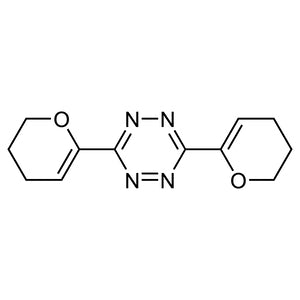
- TCI B6965 37005-02-0 3,6-Bis(3,4-dihydro-2H-pyran-6-yl)-1,2,4,5-tetrazine
- TCI M3469 1380500-87-7 [4-(6-Methyl-1,2,4,5-tetrazin-3-yl]phenyl)methanol
- TCI B6273 2378619-75-9 b-Tz
- Organic synthesis of heterocyclic compounds due to its reactive and stable heterocyclic structure.
- Development of pharmaceuticals and bioactive molecules through nitrogen and carbon bond formation.
- Creation of industrial chemical intermediates requiring high reactivity and structural versatility.
- Research in molecular chemistry for the design of complex molecular frameworks.
- Support for advanced chemical reactions involving substitution and structural modification.
| Brand | TCI |
|---|---|
| CAS number | 1558-23-2 |
| Molecular formula | — |
| Purity | — |
| Category | Chemistry > Building Blocks > Heterocyclic Building Blocks |
| Pack sizes | Available in standard laboratory quantities |
| Physical form | Solid or liquid depending on supplier packaging |
| Storage | Store in a cool, dry place away from light and moisture |
This compound should be stored in a cool, dry environment, away from direct light and moisture to maintain its chemical integrity. It is recommended to use airtight containers to prevent exposure to air and humidity, which may affect its stability. Due to its reactive nature, it should be handled with care in a well-ventilated laboratory setting. Always use appropriate personal protective equipment, such as gloves and safety goggles, when working with this material. Proper labeling and storage conditions are essential to ensure safety and maintain the compound’s effectiveness in research applications.
—
Product Categories
- Building BlocksHeterocyclic Building BlocksNon-Halogenated Heterocyclic Building Blocks
- Chemical BiologyConjugation Chemistry/Click ChemistryCatalysts, Ligands, Reagents [Conjugation Chemistry/Click Chemistry]
- Chemical BiologyConjugation Chemistry/Click ChemistryTetrazines [Conjugation Chemistry/Click Chemistry]
- Pharmaceutical Development and Drug Discovery ResearchConjugation Chemistry/Click ChemistryCatalysts, Ligands, Reagents [Conjugation Chemistry/Click Chemistry]
- Pharmaceutical Development and Drug Discovery ResearchConjugation Chemistry/Click ChemistryTetrazines [Conjugation Chemistry/Click Chemistry]
Produk Terkait
-
3,6-Diphenyl-1,2,4,5-tetrazine TCI D3175
Regular price Rp 2.013.900,00Regular priceRp 1.423.800,00Sale price Rp 2.013.900,00 -
3,6-Dichloro-1,2,4,5-tetrazine TCI D5732
Regular price Rp 2.809.800,00Regular priceRp 1.980.300,00Sale price Rp 2.809.800,00 -
3-[4-(Bromomethyl)phenyl]-6-methyl-1,2,4,5-tetrazine TCI B6382
Regular price Rp 7.764.750,00Regular priceRp 5.445.300,00Sale price Rp 7.764.750,00 -
3,6-Bis(3,4-dihydro-2H-pyran-6-yl)-1,2,4,5-tetrazine TCI B6965
Regular price Rp 2.702.700,00Regular priceRp 1.905.750,00Sale price Rp 2.702.700,00 -
[4-(6-Methyl-1,2,4,5-tetrazin-3-yl]phenyl)methanol TCI M3469
Regular price Rp 7.154.700,00Regular priceRp 5.019.000,00Sale price Rp 7.154.700,00 -
b-Tz TCI B6273
Regular price Rp 1.643.250,00Regular priceRp 1.164.450,00Sale price Rp 1.643.250,00 -
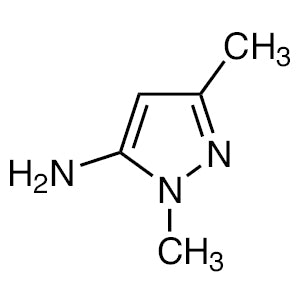
1,3-Dimethyl-1H-pyrazol-5-amine TCI A3464
Regular price Rp 1.351.350,00Regular priceRp 960.750,00Sale price Rp 1.351.350,00 -
2,5-Dimethyl-1-phenylpyrrole TCI P1615
Regular price Rp 3.735.900,00Regular priceRp 2.628.150,00Sale price Rp 3.735.900,00


![3-[4-(Bromomethyl)phenyl]-6-methyl-1,2,4,5-tetrazine (CAS 3017266-45-1) - TCI B6382 - AMI Scientific](http://amiscientific.com/cdn/shop/files/TCI2510B6382_765bf7fd-56da-4f2d-8212-fd3ec1f36666.jpg?v=1767865568&width=533)
![1380500-87-7 [4-(6-Methyl-1,2,4,5-tetrazin-3-yl]phenyl)methanol - AMI Scientific](http://amiscientific.com/cdn/shop/files/TCI2510M3469.jpg?v=1767128280&width=533)