2,4-Dimethyl-1,3-dioxolane (cis- and trans- mixture) is a chemical compound widely used in organic laboratory reactions. It serves as a building block in the synthesis of complex molecules, playing a crucial role in the development of both heterocyclic and non-heterocyclic compounds. This compound is particularly valued for its stability and reactivity, making it a reliable choice for various chemical experiments. Its ability to participate in substitution and ring-opening reactions enhances its utility in synthetic pathways, contributing to the efficiency and success of laboratory processes.
The compound's chemical properties, including its stable dioxolane ring structure, make it a preferred choice for researchers. The mixture of cis- and trans-isomers provides versatility in reaction outcomes, allowing for greater control over the synthesis of target molecules. Its reactivity and compatibility with a range of reagents and solvents further support its use in diverse experimental setups. These characteristics ensure that it remains a valuable component in both academic and industrial research environments.
In Indonesian laboratories, 2,4-Dimethyl-1,3-dioxolane is commonly utilized in organic chemistry research. It is frequently employed in educational institutions and research centers for teaching and experimental purposes. Its availability and consistent quality support the needs of researchers who require reliable chemical reagents for their work. This compound is essential for maintaining the accuracy and reproducibility of chemical experiments in the Indonesian scientific community.
Related TCI products
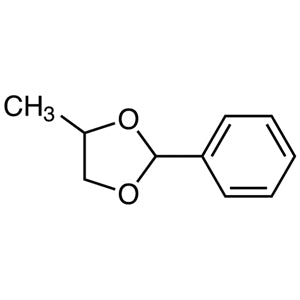
- TCI B1094 2568-25-4 4-Methyl-2-phenyl-1,3-dioxolane (mixture of isomers)
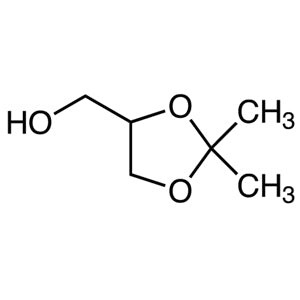
- TCI D0710 100-79-8 2,2-Dimethyl-1,3-dioxolane-4-methanol
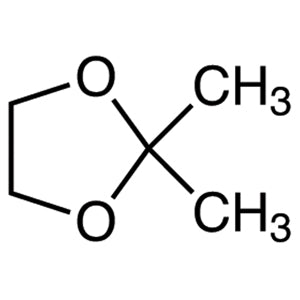
- TCI D0709 2916-31-6 2,2-Dimethyl-1,3-dioxolane
- TCI E1417 6290-17-1 Ethyl 2-(2,4-Dimethyl-1,3-dioxolan-2-yl)acetate (mixture of diastereoisomers)
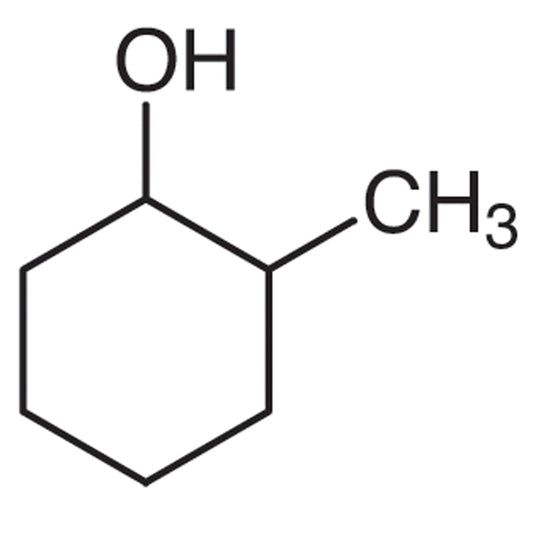
- TCI M0194 583-59-5 2-Methylcyclohexanol (cis- and trans- mixture)
- TCI T2278 118-56-9 3,3,5-Trimethylcyclohexyl Salicylate (cis- and trans- mixture)
- Organic synthesis experiments benefit from this compound due to its reactivity and ability to participate in ring-opening reactions.
- It is ideal for the preparation of heterocyclic compounds, offering a stable starting material for complex molecular structures.
- In teaching laboratories, it serves as a key reagent for demonstrating substitution and ring-opening mechanisms in organic chemistry.
- Its use in research settings supports the development of new chemical compounds and pharmaceutical intermediates.
- It is commonly used in analytical chemistry for testing the effectiveness of synthetic pathways and reaction conditions.
| Brand | TCI |
|---|---|
| CAS number | 3390-12-3 |
| Molecular formula | — |
| Purity | — |
| Category | Chemistry > Building Blocks > Non-Heterocyclic Building Blocks |
| Pack sizes | 250g, 1kg |
| Physical form | Liquid |
| Storage | Store in a cool, dry place away from light and incompatible materials |
This compound should be stored in a cool, dry place, away from direct sunlight and sources of heat. It is recommended to use airtight containers made of glass or polyethylene to prevent contamination and evaporation. Due to its chemical nature, it should be kept away from strong oxidizing agents and incompatible substances. Proper labeling of containers is essential for safe handling and to prevent accidental exposure. In laboratory settings, personal protective equipment such as gloves and safety goggles should be worn when handling this material to ensure safety and compliance with standard operating procedures.
—
Produk Terkait
-
4-Methyl-2-phenyl-1,3-dioxolane(mixtureofisomers) TCI B1094
Regular price Rp 477.750,00Regular price -
2,2-Dimethyl-1,3-dioxolane-4-methanol TCI D0710
Regular price From Rp 477.750,00Regular price -
2,2-Dimethyl-1,3-dioxolane TCI D0709
Regular price Rp 1.696.800,00Regular price -
Ethyl2-(2,4-Dimethyl-1,3-dioxolan-2-yl)acetate(mixtureofdiastereoisomers) TCI E1417
Regular price From Rp 610.050,00Regular price -
2-Methylcyclohexanol(cis-andtrans-mixture) TCI M0194
Regular price From Rp 505.050,00Regular price -
3,3,5-TrimethylcyclohexylSalicylate(cis-andtrans-mixture) TCI T2278
Regular price From Rp 664.650,00Regular price -
4-Butylcyclohexanol(cis-andtrans-mixture) TCI B1930
Regular price From Rp 3.446.100,00Regular price -
CrotylAlcohol(cis-andtrans-mixture) TCI B0696
Regular price Rp 1.776.600,00Regular price