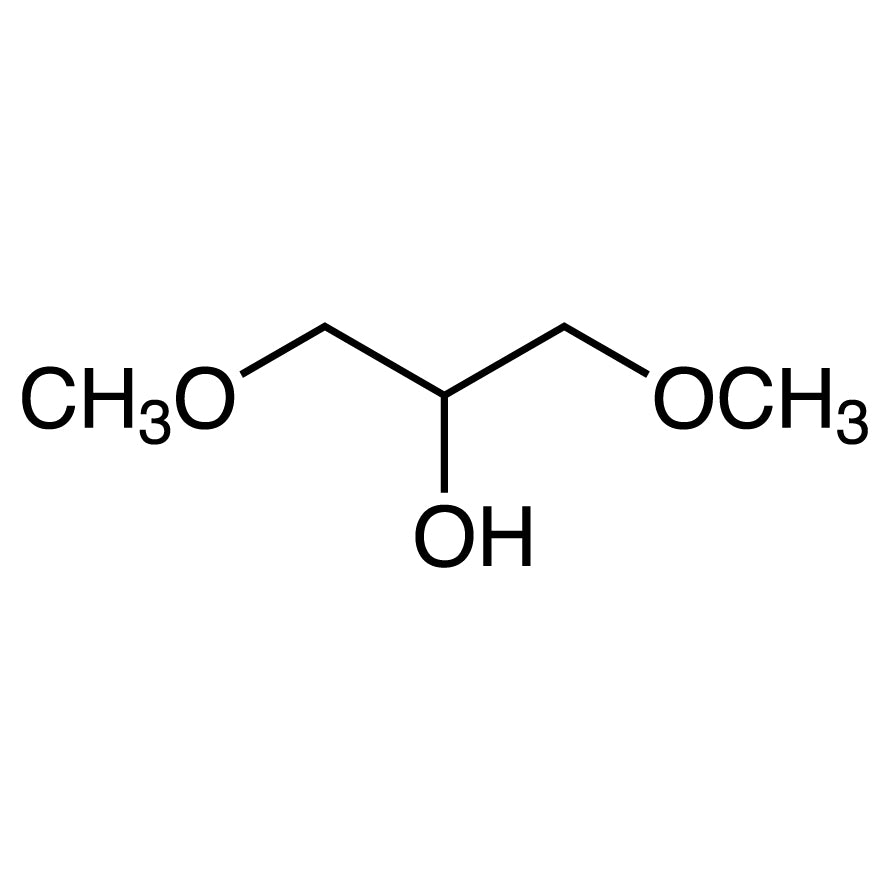
1,3-Dimethoxypropan-2-ol is a chemical compound widely used as a foundational material in various laboratory reactions. It serves as a versatile building block in organic chemistry, enabling the synthesis of more complex molecules. This compound is particularly valuable in research settings where precise chemical transformations are required. Its role extends beyond mere reactivity, as it often acts as a key intermediate in multi-step synthetic processes. Due to its chemical stability and reactivity, it is a staple in both academic and industrial laboratory environments.
The compound's high reactivity and polar nature make it a preferred choice for chemists. It exhibits good solubility in organic solvents such as ethyl acetate and acetone, which enhances its utility in purification and reaction techniques. Its molecular structure allows it to participate efficiently in substitution and replacement reactions, making it ideal for a wide range of synthetic applications. The compound's stability under controlled conditions further supports its reliability in laboratory settings.
In Indonesian laboratories, 1,3-Dimethoxypropan-2-ol is commonly used in organic chemistry research, especially in the synthesis of complex compounds and the development of new materials. It is frequently employed in academic institutions and research centers across the country, supporting both teaching and experimental work. Its consistent performance and compatibility with various reaction conditions make it a trusted reagent in the chemical sciences.
Related TCI products
- TCI T2833 102-52-3 1,1,3,3-Tetramethoxypropane [for Biochemical Research]
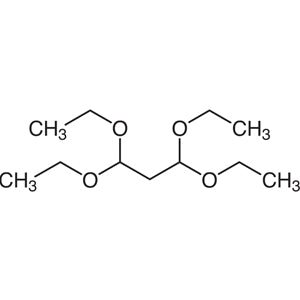
- TCI T0093 122-31-6 1,1,3,3-Tetraethoxypropane
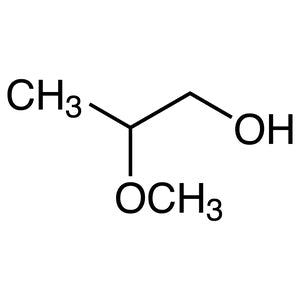
- TCI M3614 1589-47-5 2-Methoxypropan-1-ol
- TCI M0544 102-52-3 1,1,3,3-Tetramethoxypropane
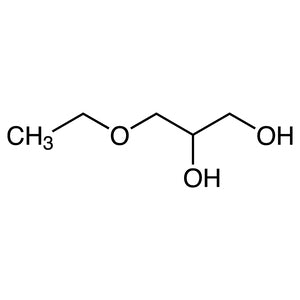
- TCI E1497 1874-62-0 3-Ethoxypropane-1,2-diol
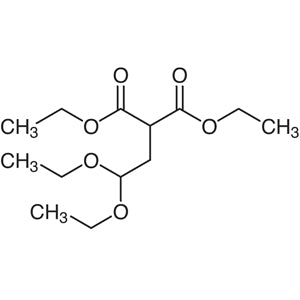
- TCI D2438 21339-47-9 Diethyl 3,3-Diethoxypropane-1,1-dicarboxylate
- Organic synthesis applications benefit from its reactivity and solubility, allowing efficient participation in substitution and coupling reactions.
- It is ideal for use in research involving the development of new materials due to its ability to form stable intermediates.
- In analytical chemistry, it serves as a useful solvent and reagent for chromatographic and spectroscopic analyses.
- Its polar nature makes it suitable for use in purification processes such as crystallization and distillation.
- It supports the preparation of derivatives in medicinal chemistry, facilitating the synthesis of bioactive compounds.
| Brand | TCI |
|---|---|
| CAS number | 623-69-8 |
| Molecular formula | — |
| Purity | — |
| Category | Chemistry > Building Blocks > Non-Heterocyclic Building Blocks |
| Pack sizes | Available in various sizes as per standard chemical supply practices |
| Physical form | Liquid |
| Storage | Store in a cool, dry place away from direct sunlight |
This compound should be stored in a cool, dry environment, away from direct sunlight and sources of heat. It is recommended to use appropriate containers that are resistant to chemical degradation, such as glass or high-density polyethylene. Due to its reactivity, it should be handled with care, using standard laboratory safety protocols. Proper ventilation is essential when working with this material to minimize exposure. It is important to avoid contact with incompatible substances and to follow all standard safety procedures when handling and storing it in a laboratory setting.
—
Produk Terkait
-
1,1,3,3-Tetramethoxypropane[forBiochemicalResearch] TCI T2833
Regular price Rp 1.115.100,00Regular price -
1,1,3,3-Tetraethoxypropane TCI T0093
Regular price From Rp 823.200,00Regular price -
2-Methoxypropan-1-ol TCI M3614
Regular price From Rp 2.147.250,00Regular price -
1,1,3,3-Tetramethoxypropane TCI M0544
Regular price From Rp 477.750,00Regular price -
3-Ethoxypropane-1,2-diol TCI E1497
Regular price Rp 1.776.600,00Regular price -
Diethyl3,3-Diethoxypropane-1,1-dicarboxylate TCI D2438
Regular price From Rp 1.803.900,00Regular price -
2,2-Diethoxypropane TCI D0459
Regular price From Rp 2.174.550,00Regular price -
4-Bromo-1-methoxy-2-(3-methoxypropoxy)benzene TCI B4539
Regular price From Rp 848.400,00Regular price
![102-52-3 1,1,3,3-Tetramethoxypropane [for Biochemical Research] - AMI Scientific](http://amiscientific.com/cdn/shop/files/TCI2510T2833.jpg?v=1767143438&width=533)