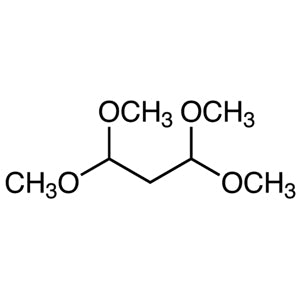
1,1,3,3-Tetramethoxypropane is a chemical compound widely used as a building block in organic synthesis. It serves as a versatile reagent in laboratory settings, enabling the creation of complex organic molecules through various chemical reactions. This compound is particularly valuable for its ability to participate in multiple synthetic pathways, making it an essential tool for chemists working on the development of new compounds. Its structural simplicity and functional versatility make it a go-to material for researchers aiming to explore chemical transformations with controlled reactivity.
The compound is known for its stable chemical properties and moderate reactivity, which allow it to be used in a wide range of reaction conditions. It is non-polar in nature and exhibits good solubility in organic solvents such as ethyl acetate and chloroform. These solubility characteristics facilitate efficient mixing and reaction processes in the laboratory. Additionally, its ease of handling and compatibility with various reaction conditions make it a preferred choice for both academic and industrial research applications.
In Indonesian laboratories, 1,1,3,3-Tetramethoxypropane is commonly used in organic synthesis and chemical research. It plays a crucial role in the development of new compounds, especially in the field of heterocyclic chemistry and ester synthesis. Its reliability and consistent performance make it a trusted material for scientists and researchers seeking high-quality chemical building blocks for their experiments.
- Organic synthesis is a primary application where this compound is used to create complex organic molecules due to its reactivity and structural versatility.
- Heterocyclic compound development benefits from its ability to act as a precursor in ring-forming reactions, enabling the synthesis of various heterocyclic structures.
- Ester synthesis is another key application, as it can serve as a methoxy donor in esterification processes, enhancing the efficiency of the reaction.
- Chemical research in Indonesian laboratories relies on this compound for its stable properties and compatibility with diverse reaction conditions.
- Compound development in academic and industrial settings uses this material as a reliable building block for creating new chemical entities.
| Brand | TCI |
|---|---|
| CAS number | 102-52-3 |
| Molecular formula | — |
| Purity | — |
| Category | Chemistry > Building Blocks > Non-Heterocyclic Building Blocks |
| Pack sizes | — |
| Physical form | — |
| Storage | Store in a cool, dry place away from direct sunlight |
This compound should be stored in a cool, dry environment, away from direct sunlight to maintain its chemical stability. It is recommended to use airtight containers to prevent exposure to moisture and air, which could affect its performance. Due to its non-polar nature, it is best stored in glass or polyethylene containers that are resistant to chemical degradation. In laboratory settings, it is important to handle the compound with care, using appropriate personal protective equipment such as gloves and safety goggles. Proper labeling of storage containers is essential to ensure safe handling and prevent accidental exposure. Regular monitoring of storage conditions helps maintain the integrity of the compound for use in chemical experiments.
—
Produk Terkait
-
1,1,3,3-Tetramethoxypropane[forBiochemicalResearch] TCI T2833
Regular price Rp 1.115.100,00Regular price -
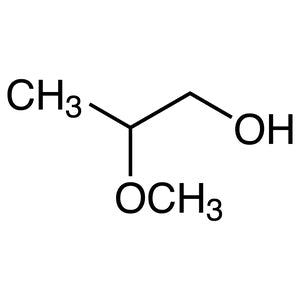
2-Methoxypropan-1-ol TCI M3614
Regular price From Rp 2.147.250,00Regular price -
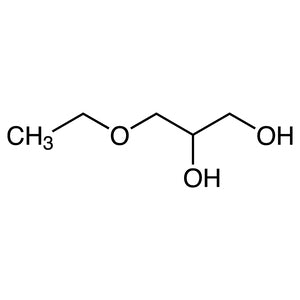
3-Ethoxypropane-1,2-diol TCI E1497
Regular price Rp 1.776.600,00Regular price -
1,3-Dimethoxypropan-2-ol TCI D6094
Regular price From Rp 980.700,00Regular price -
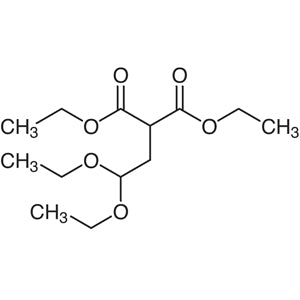
Diethyl3,3-Diethoxypropane-1,1-dicarboxylate TCI D2438
Regular price From Rp 1.803.900,00Regular price -
2,2-Diethoxypropane TCI D0459
Regular price From Rp 2.174.550,00Regular price -
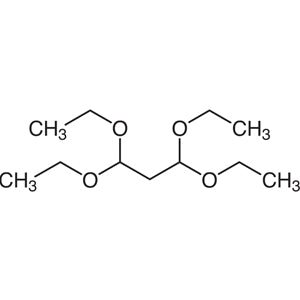
1,1,3,3-Tetraethoxypropane TCI T0093
Regular price From Rp 823.200,00Regular price -
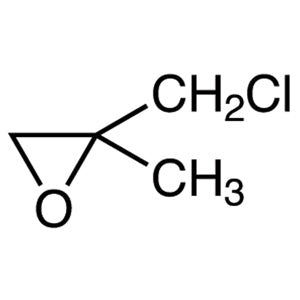
2-(Chloromethyl)-1,2-epoxypropane TCI C2584
Regular price Rp 1.565.550,00Regular price
![102-52-3 1,1,3,3-Tetramethoxypropane [for Biochemical Research] - AMI Scientific](http://amiscientific.com/cdn/shop/files/TCI2510T2833.jpg?v=1767143438&width=533)