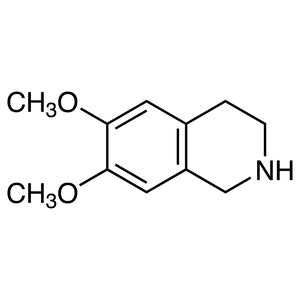
6,7-Dimethoxy-1,2,3,4-tetrahydroisoquinoline is a heterocyclic compound widely used in chemical research, particularly in organic and pharmaceutical applications. As a building block in synthetic chemistry, it serves as a versatile intermediate for the development of complex molecules with specific biological activities. Its unique structure allows for functional group modifications, making it a valuable tool in the synthesis of various pharmaceutical compounds and organic derivatives. This compound is commonly found in laboratory settings where researchers are working on drug discovery and molecular design projects.
The compound's chemical properties make it a preferred choice for chemists. It exhibits moderate polarity due to the presence of two methoxy groups at positions 6 and 7, which enhances its solubility in organic solvents such as ethylamine and acetone. This solubility profile facilitates its use in purification and reaction processes. Additionally, its chemical stability under controlled conditions allows for reliable handling and storage, ensuring consistent performance in laboratory experiments. These characteristics contribute to its popularity among researchers.
In Indonesian laboratories, 6,7-Dimethoxy-1,2,3,4-tetrahydroisoquinoline is frequently utilized in academic and industrial research. It is commonly found in organic chemistry and pharmacology departments, where it supports the development of new compounds and the study of molecular interactions. Its application spans various research areas, including drug synthesis and bioactive molecule design, making it an essential component in many scientific projects.
Related TCI products
- TCI D2472 2328-12-3 6,7-Dimethoxy-1,2,3,4-tetrahydroisoquinoline Hydrochloride
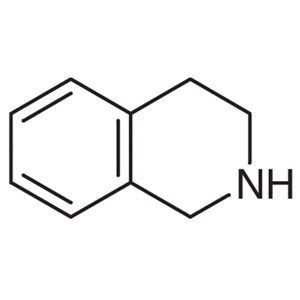
- TCI T1676 91-21-4 1,2,3,4-Tetrahydroisoquinoline
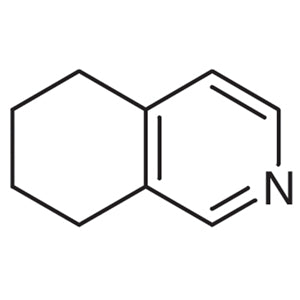
- TCI T1230 36556-06-6 5,6,7,8-Tetrahydroisoquinoline
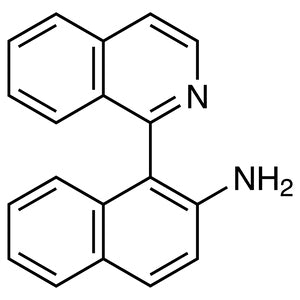
- TCI A2221 664302-70-9 1-(2-Amino-1-naphthyl)isoquinoline
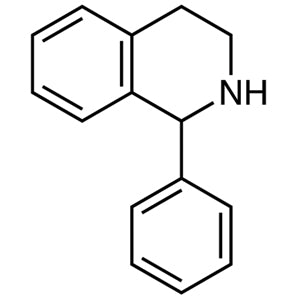
- TCI P2056 22990-19-8 1-Phenyl-1,2,3,4-tetrahydroisoquinoline
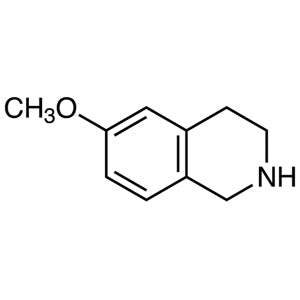
- TCI M2781 42923-77-3 6-Methoxy-1,2,3,4-tetrahydroisoquinoline
- Organic synthesis projects benefit from this compound due to its structural versatility and reactivity in forming complex molecules.
- Pharmaceutical research utilizes it as a building block for the development of bioactive compounds with therapeutic potential.
- Drug discovery initiatives incorporate it to explore new chemical pathways and molecular structures with medicinal applications.
- Academic research in chemistry leverages its properties for teaching and experimental purposes in synthetic chemistry courses.
- Biochemical studies use it to investigate molecular interactions and biological activities of heterocyclic compounds.
| Brand | TCI |
|---|---|
| CAS number | 1745-07-9 |
| Molecular formula | — |
| Purity | — |
| Category | Chemistry > Building Blocks > Heterocyclic Building Blocks |
| Pack sizes | Available in various quantities as per supplier specifications |
| Physical form | Solid or liquid, depending on the specific product variant |
| Storage | Store in a cool, dry place away from light and moisture |
This compound should be stored in a cool, dry environment, away from direct sunlight and sources of heat. It is recommended to keep it in airtight containers to prevent moisture absorption and contamination. Due to its moderate polarity, it is advisable to use glass or polyethylene containers that are chemically inert to avoid any reaction with the container material. General laboratory precautions include wearing appropriate personal protective equipment such as gloves and safety goggles when handling the compound. Proper ventilation should be maintained in the workspace to ensure safe handling and minimize exposure.
—
Produk Terkait
-
6,7-Dimethoxy-1,2,3,4-tetrahydroisoquinolineHydrochloride TCI D2472
Regular price From Rp 848.400,00Regular price -
1,2,3,4-Tetrahydroisoquinoline TCI T1676
Regular price From Rp 1.298.850,00Regular price -
5,6,7,8-Tetrahydroisoquinoline TCI T1230
Regular price Rp 2.942.100,00Regular price -
1-(2-Amino-1-naphthyl)isoquinoline TCI A2221
Regular price Rp 7.446.600,00Regular price -
1-Phenyl-1,2,3,4-tetrahydroisoquinoline TCI P2056
Regular price From Rp 903.000,00Regular price -
6-Methoxy-1,2,3,4-tetrahydroisoquinoline TCI M2781
Regular price Rp 2.969.400,00Regular price -
Isoquinoline-3-carboxylicAcid TCI I1246
Regular price From Rp 2.809.800,00Regular price -
Isoquinoline-5-carboxaldehyde TCI I0942
Regular price From Rp 3.790.500,00Regular price